iPhone 17 Pro Max Leads Trade-In Market with Unprecedented Value Retention
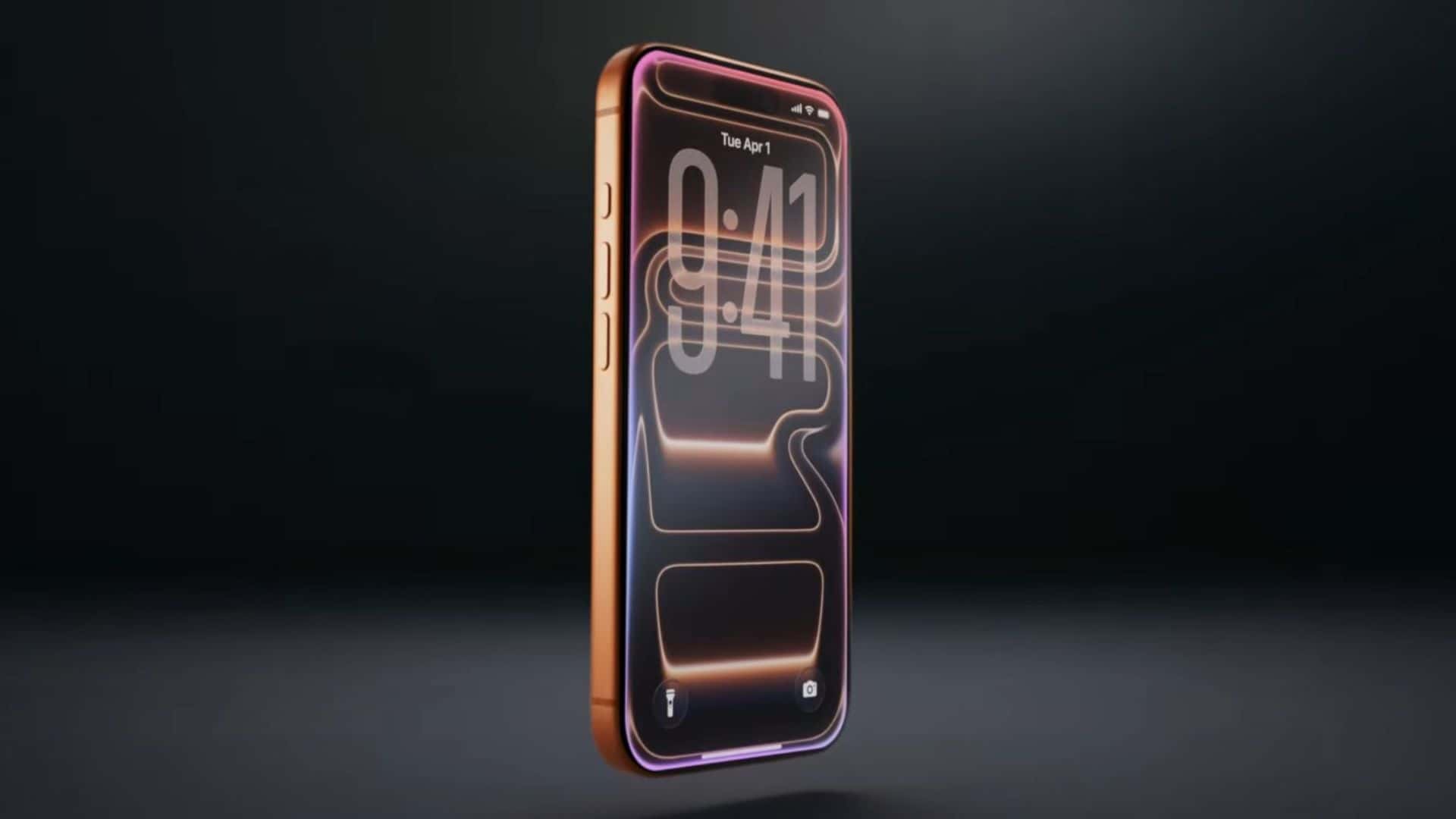
The iPhone 17 Pro Max has rapidly ascended to the top of the secondary market, becoming the most traded device within just 145 days of its release. This swift rise is atypical, as flagship models usually take longer to dominate resale charts. A key factor in this trend is the device’s exceptional value retention, prompting owners to trade in their units sooner while resale prices remain favorable.
Unprecedented Trade-In Dominance
Traditionally, trade-in rankings feature devices at various stages of their lifecycle. However, the iPhone 17 Pro Max’s rapid climb to the top is noteworthy. It now constitutes 11.5% of the top 20 trade-ins, surpassing older Pro Max models that typically lead the resale market. This shift underscores the device’s strong appeal and sustained demand.
Superior Depreciation Rates
Depreciation data reveals that the iPhone 17 Pro Max is losing value more slowly compared to its predecessor. Over the same 145-day period post-launch, the iPhone 17 Pro Max depreciated by approximately 25.4%, whereas the iPhone 16 Pro Max experienced a 32.5% decline. This 7% difference translates to an additional $95 in retained value per device, making early resale a financially attractive option for owners.
Insights from SellCell
According to SellCell, a leading platform for comparing trade-in values:
> Despite launching only months ago, the iPhone 17 Pro Max has become the most traded-in device, with depreciation running over 7% lower than the previous generation, helping drive unusually early resale behavior.
Trade-In Trends and Statistics
Several factors contribute to this trend:
– Unlocked Devices: Approximately 76.5% of traded-in iPhone 17 Pro Max units are unlocked, offering sellers greater flexibility and broader market appeal.
– Device Condition: Around 86% of these devices are in Mint or Good condition, enhancing their resale value and attractiveness to buyers.
– Resale Value: The average resale price hovers around $967.50, a significant portion of the original launch price exceeding $1,200.
The combination of unlocked status and excellent condition allows sellers to recover a substantial part of their initial investment, encouraging a view of the device as a short-term asset rather than a long-term commitment.
Factors Influencing Early Trade-Ins
Several elements contribute to the early trade-in phenomenon:
1. Enhanced Value Retention: The iPhone 17 Pro Max’s slower depreciation rate makes early resale more appealing.
2. Strategic Resale Timing: Owners are capitalizing on high resale values by trading in their devices sooner.
3. Evolving Upgrade Habits: Consumers are increasingly treating high-end smartphones as short-term investments, upgrading more frequently to stay current with technological advancements.
Broader Market Implications
This trend reflects a shift in consumer behavior and market dynamics:
– Increased Demand for Latest Technology: Consumers are eager to access the newest features and improvements, prompting quicker upgrade cycles.
– Financial Incentives: The ability to recoup a significant portion of the original purchase price through early trade-ins makes frequent upgrading more feasible.
– Impact on Secondary Market: A surge in high-quality, recent-model devices entering the secondary market benefits buyers seeking premium devices at reduced prices.
Conclusion
The iPhone 17 Pro Max’s rapid ascent to the top of the trade-in market within 145 days of its launch is a testament to its strong value retention and the evolving behaviors of consumers. This trend highlights a growing inclination towards treating high-end smartphones as short-term assets, driven by the desire for the latest technology and the financial viability of early trade-ins.