Interpol’s Operation Red Card 2.0: A Major Blow to African Cybercrime Networks
In a significant stride against cybercrime, Interpol’s Operation Red Card 2.0 has culminated in the arrest of 651 individuals and the recovery of over $4.3 million. This extensive operation, conducted between December 8, 2025, and January 30, 2026, involved law enforcement agencies from 16 African nations, targeting the infrastructure and perpetrators behind various online scams, including high-yield investment frauds, mobile money fraud, and deceptive mobile loan applications.
Participating Nations and Collaborative Efforts
The countries that collaborated in this operation under the African Joint Operation against Cybercrime (AFJOC) include:
– Angola
– Benin
– Cameroon
– Côte d’Ivoire
– Chad
– Gabon
– Gambia
– Ghana
– Kenya
– Namibia
– Nigeria
– Rwanda
– Senegal
– Uganda
– Zambia
– Zimbabwe
This collective effort underscores the importance of international cooperation in combating transnational cyber threats.
Unveiling the Extent of Cyber Fraud
During the eight-week operation, investigations revealed scams linked to financial losses exceeding $45 million, affecting 1,247 victims primarily from the African continent, with some cases extending to other regions globally. Authorities confiscated 2,341 devices and dismantled 1,442 malicious IPs, domains, and servers, significantly disrupting the cybercriminal infrastructure.
Highlighted Cases from the Operation
– Nigeria’s Crackdown on Investment Fraud Rings: Nigerian authorities dismantled a sophisticated investment fraud network that recruited young individuals to execute cyber-enabled crimes. Utilizing phishing, identity theft, social engineering, and fraudulent digital asset investment schemes, the syndicate operated over 1,000 fake social media accounts, all of which were taken down during the operation.
– Telecommunications Breach in Nigeria: In a separate case, six members of a cybercrime syndicate were arrested for infiltrating the internal platform of a major telecommunications provider. By compromising staff login credentials, they stole substantial amounts of airtime and data for illegal resale, highlighting the vulnerabilities within critical infrastructure.
– Kenya’s Action Against Investment Scams: Kenyan authorities arrested 27 individuals involved in a fraud scheme that exploited messaging apps, social media, and fabricated testimonials to lure victims into fake investments with promises of high returns. Victims were presented with counterfeit account statements but were denied any withdrawals, exposing the deceptive nature of the operation.
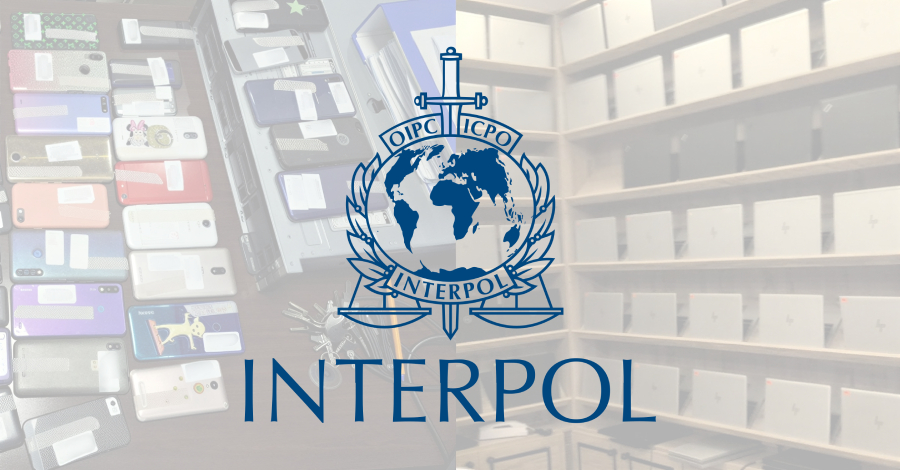
– Côte d’Ivoire’s Mobile Loan Fraud Disruption: In Côte d’Ivoire, authorities arrested 58 individuals and seized 240 mobile phones, 25 laptops, and over 300 SIM cards. This action targeted a predatory mobile loan fraud scheme that preyed on vulnerable populations through fake mobile applications and messaging services, offering unsecured loans that led to extra fees, abusive debt-collection practices, and theft of personal and financial data.
The Impact of Operation Red Card 2.0
Neal Jetton, Interpol’s Director of the Cybercrime Directorate, emphasized the severe financial and psychological harm inflicted by these organized cybercriminal syndicates on individuals, businesses, and communities. He highlighted the operation’s success as a testament to the power of international collaboration in combating transnational cybercrime and encouraged victims to seek assistance from law enforcement agencies.
Building on Previous Successes
Operation Red Card 2.0 follows the first phase of the initiative, which, between November 2024 and February 2025, led to the arrest of 306 suspects and the seizure of 1,842 devices. This ongoing effort demonstrates Interpol’s commitment to dismantling cybercriminal networks and safeguarding the digital landscape.
The Broader Context of Cybercrime in Africa
The success of Operation Red Card 2.0 is part of a larger trend of intensified efforts to combat cybercrime across Africa. Previous operations have yielded significant results:
– Operation Serengeti: Between September and October 2024, this operation resulted in 1,006 arrests across 19 African countries and the dismantling of 134,089 malicious infrastructures.
– Operation Sentinel: Conducted in late 2025, this initiative led to the arrest of 574 suspects and the recovery of $3 million, focusing on business email compromise, digital extortion, and ransomware.
– Operation HAECHI-III: A global crackdown between June and November 2022 that seized $130 million in virtual assets and arrested 975 individuals involved in various cyber-enabled financial crimes.
The Importance of Continued Vigilance
These operations underscore the evolving nature of cyber threats and the necessity for continuous vigilance and cooperation among international law enforcement agencies. The success of Operation Red Card 2.0 serves as a reminder of the critical role that collaborative efforts play in disrupting cybercriminal activities and protecting potential victims from financial and psychological harm.
Looking Ahead
As cybercriminals continue to develop more sophisticated methods, it is imperative for law enforcement agencies, private sector partners, and individuals to remain proactive in identifying and mitigating cyber threats. Public awareness campaigns, robust cybersecurity measures, and international cooperation are essential components in the ongoing battle against cybercrime.
Conclusion
Operation Red Card 2.0 represents a significant milestone in the fight against cybercrime in Africa. The arrests and disruptions achieved through this operation not only bring perpetrators to justice but also serve as a deterrent to future cybercriminal activities. Continued efforts and collaboration are vital to maintaining the momentum gained and ensuring a safer digital environment for all.