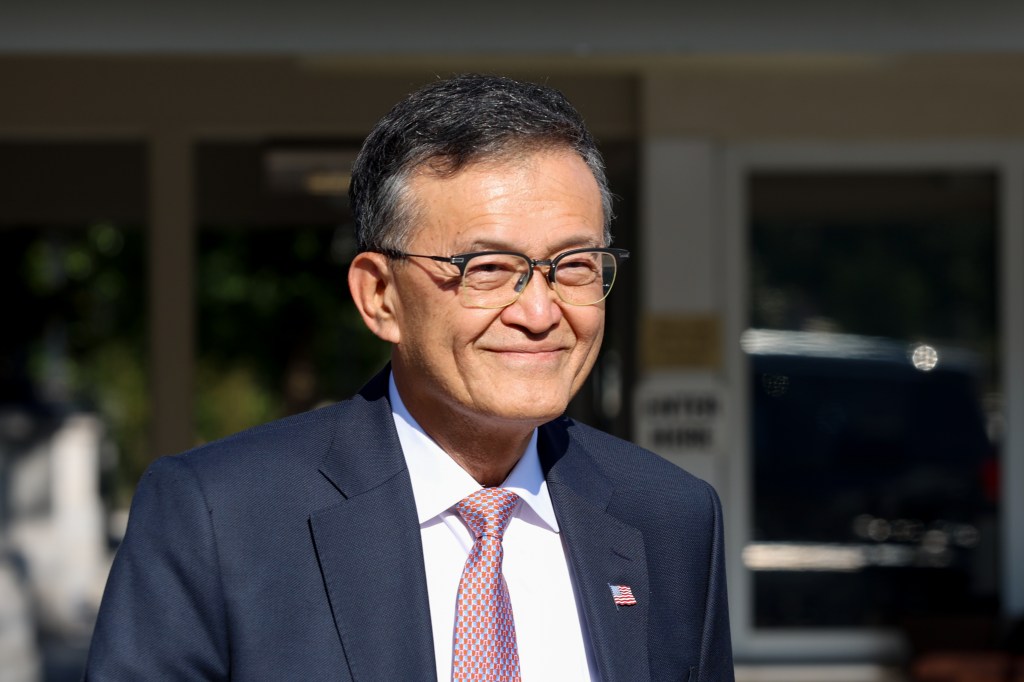
Intel Corporation has recently reported a significant financial turnaround, marking a pivotal moment in its ongoing restructuring efforts. Under the leadership of CEO Lip-Bu Tan, the semiconductor giant has not only exceeded Wall Street expectations but also attracted substantial investments, signaling renewed confidence in its strategic direction.
Financial Performance and Strategic Investments
In the third quarter, Intel’s revenue increased by $800 million, reaching $13.7 billion, up from $12.9 billion in the same period the previous year. More notably, the company reported a net income of $4.1 billion, a stark contrast to the $16.6 billion loss recorded in the corresponding quarter of the prior year. This financial rebound is largely attributed to a series of strategic investments and cost-cutting measures implemented over recent months.
A significant boost to Intel’s financial health came from three major investments:
– SoftBank’s Investment: In August, SoftBank invested $2 billion in Intel, purchasing common stock at $23 per share. This move reflects SoftBank’s belief in the expansion of advanced semiconductor manufacturing in the United States, with Intel playing a critical role in this growth.
– U.S. Government Stake: Shortly after SoftBank’s investment, the U.S. government acquired a 10% equity stake in Intel. To date, Intel has received $5.7 billion of the planned $8.9 billion from this investment. This unprecedented move underscores the strategic importance of Intel in the national semiconductor landscape.
– Nvidia’s Partnership: In September, Nvidia invested $5 billion in Intel as part of a broader agreement to co-develop chips over time. This partnership signifies a collaborative effort to advance semiconductor technology and meet the growing demand for high-performance computing solutions.
These investments have collectively added $20 billion to Intel’s balance sheet, providing the company with greater operational flexibility and positioning it well to execute its strategic initiatives with confidence.
Focus on the Foundry Business
Despite the positive financial indicators, Intel’s foundry business remains a focal point for both the company and industry observers. The foundry division, responsible for manufacturing custom chips for external clients, has faced challenges since its inception. CEO Lip-Bu Tan has prioritized addressing these issues, initiating significant layoffs within the foundry unit earlier this year to streamline operations and reduce inefficiencies.
The strategic importance of the foundry business is further highlighted by the conditions attached to the U.S. government’s investment. The agreement includes provisions that would penalize Intel if it divests from its foundry business within the next five years. This stipulation underscores the government’s interest in maintaining a robust domestic semiconductor manufacturing capability.
Wall Street analysts are closely monitoring the foundry division for signs of long-term growth potential. While Intel has engaged with potential foundry customers and acknowledges the increasing demand for chips, specific details about future plans for the division remain limited. Tan emphasized the need for a disciplined approach to growing the foundry business, focusing on building trust with customers and ensuring that Intel’s processes can accommodate a variety of client needs.
Operational Restructuring and Cost Management
In addition to external investments, Intel has undertaken significant internal restructuring to improve efficiency and focus on core business areas. Earlier this year, the company announced plans to lay off 15% to 20% of workers in its Intel Foundry division, a move aimed at refocusing on core client and data center portfolios. This decision aligns with Tan’s strategy to eliminate inefficiencies and streamline operations.
Furthermore, Intel has made strategic decisions regarding its manufacturing projects. The company has delayed, and in some cases canceled, multiple manufacturing initiatives, including projects in Germany and Poland. These actions reflect a commitment to managing capital responsibly and aligning factory operations with market demand.
Conclusion
Intel’s recent financial performance and strategic investments mark a significant step in the company’s ongoing turnaround efforts. While the influx of capital and positive earnings report are encouraging, the future of Intel’s foundry business remains a critical area of focus. The company’s ability to address challenges within this division and capitalize on the growing demand for custom chip manufacturing will be pivotal in determining its long-term success in the competitive semiconductor industry.