Instagram’s Delayed Teen Safety Measures Under Scrutiny in Federal Lawsuit
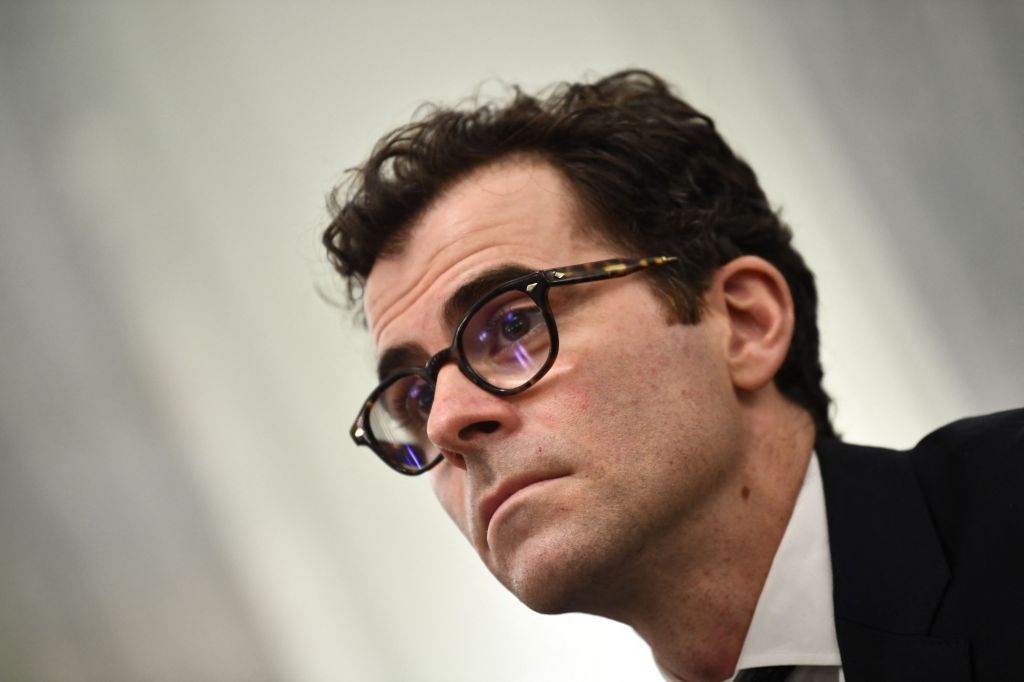
In a recent federal lawsuit, Instagram’s head, Adam Mosseri, faced intense questioning regarding the platform’s prolonged delay in implementing essential safety features for teenagers, notably a nudity filter for direct messages (DMs). This scrutiny arises amidst growing concerns about the potential harm social media platforms may inflict on young users.
Background of the Lawsuit
The lawsuit centers on allegations that social media platforms, including Instagram, are designed to be addictive and may cause harm to users, particularly teenagers. Prosecutors are investigating whether these platforms prioritized user engagement over user safety, leading to detrimental effects on young users’ mental health and well-being.
Delayed Implementation of Safety Features
One of the focal points of the lawsuit is Instagram’s introduction of a feature in April 2024 that automatically blurs explicit images in DMs—a measure aimed at protecting teens from unsolicited explicit content. However, internal communications reveal that the company was aware of such issues as early as August 2018. In an email exchange from that time, Mosseri acknowledged the potential for horrible incidents occurring through Instagram’s messaging system, including the unsolicited sending of explicit images, commonly referred to as dick pics.
Mosseri’s Defense
During his deposition, Mosseri defended the company’s timeline, emphasizing the challenge of balancing user privacy with safety measures. He argued that the potential for sharing problematic content exists across all messaging platforms, not just Instagram. Mosseri stated, I think that it’s pretty clear that you can message problematic content in any messaging app, whether it’s Instagram or otherwise. He further explained that the company strives to balance people’s interest in privacy with its own interests in safety.
Statistics on Harmful Content Exposure
The deposition also brought to light concerning statistics about teenagers’ exposure to harmful content on Instagram. A survey indicated that 19.2% of respondents aged 13 to 15 had encountered unwanted nudity or sexual images on the platform. Additionally, 8.4% of teens in the same age group reported witnessing self-harm or threats of self-harm on Instagram within the past week of using the app.
Broader Implications and Industry Response
This case is part of a broader examination of social media platforms’ responsibilities in safeguarding young users. Similar lawsuits are underway in other jurisdictions, including the Los Angeles County Superior Court and in New Mexico. These legal actions aim to determine whether tech companies have prioritized user growth and engagement over the safety and well-being of their youngest users.
In response to mounting pressure, Meta, Instagram’s parent company, has implemented several safety features over the years. These include:
– Nighttime Nudges: Introduced in January 2024, this feature prompts teens to take breaks from the app late at night, encouraging healthier usage habits.
– Nudity Protection in DMs: Launched in April 2024, this feature automatically blurs images detected as containing nudity in direct messages, aiming to protect teens from unsolicited explicit content.
– Restricted Teen Accounts: Rolled out in September 2024, this initiative automatically enrolls young users into an app experience with built-in protections, limiting interactions and exposure to potentially harmful content.
– Parental Control Tools: Meta has also introduced various parental supervision tools across Instagram and Messenger, allowing guardians to monitor and manage their teens’ app usage and interactions.
Conclusion
The ongoing lawsuit underscores the critical need for social media platforms to proactively implement safety measures that protect young users from harmful content and interactions. While Instagram has introduced several features aimed at enhancing teen safety, the delay in their implementation raises questions about the company’s commitment to user well-being. As the legal proceedings continue, the tech industry faces increasing scrutiny over its role in safeguarding the mental health and safety of its youngest users.