India’s ChatGPT Boom: 100 Million Weekly Users and Counting
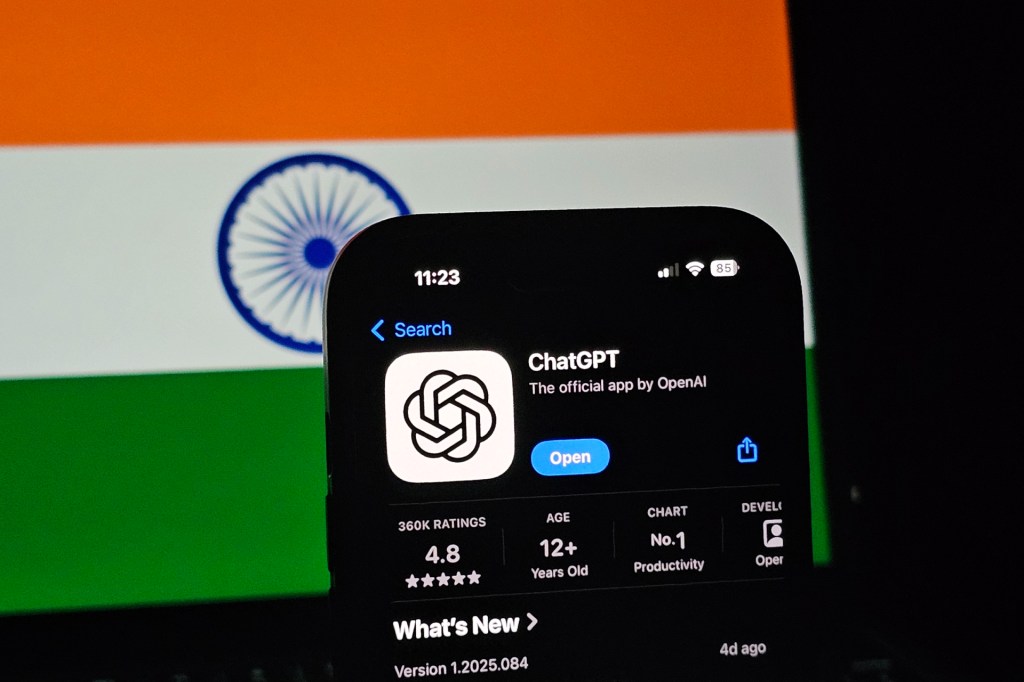
India has emerged as a pivotal player in the global artificial intelligence landscape, with OpenAI’s ChatGPT amassing 100 million weekly active users in the country. This milestone, announced by CEO Sam Altman, underscores India’s rapid adoption of AI technologies and its significant role in OpenAI’s global strategy.
In a recent article published in the Times of India, Altman highlighted that India now stands as ChatGPT’s second-largest user base, trailing only the United States. This revelation comes as OpenAI prepares to participate in the five-day India AI Impact Summit in New Delhi, commencing Monday. The summit will feature senior executives from leading AI companies, emphasizing India’s growing influence in the AI sector.
Strategic Expansion in India
Recognizing India’s vast potential, OpenAI established a New Delhi office in August 2025. This move was part of a broader strategy to tap into the country’s young, tech-savvy population and its expansive internet user base. To cater to the price-sensitive Indian market, OpenAI introduced the ChatGPT Go tier, priced below $5. In a bid to further democratize access, this service was later offered free for a year to Indian users.
Student Engagement: A Driving Force
A significant portion of ChatGPT’s growth in India can be attributed to student users. Altman noted that India boasts the largest number of student users globally. This trend reflects a broader movement among AI companies to integrate their tools into educational settings. For instance, in September 2025, Google offered Indian students a free one-year subscription to its AI Pro plan. Additionally, India accounts for the highest global usage of Google’s Gemini for learning, as stated by Chris Phillips, Google’s Vice President and General Manager for Education.
The Road Ahead: Challenges and Opportunities
While the rapid adoption of ChatGPT in India is commendable, it also presents challenges. Translating widespread usage into sustained economic impact remains a hurdle. The Indian government’s initiatives, such as the IndiaAI Mission, aim to address these challenges by expanding computing capacity, supporting startups, and accelerating AI adoption in public services. However, the country’s price-sensitive market and infrastructure constraints complicate monetization and large-scale deployment.
Altman emphasized the importance of equitable AI adoption, warning that uneven access could concentrate economic gains among a select few. He also signaled OpenAI’s intent to deepen its collaboration with the Indian government, with plans to announce new partnerships focused on expanding AI access across the country.
Global Implications
The India AI Impact Summit is set to attract a diverse array of global technology and political leaders, including Anthropic CEO Dario Amodei, Google’s Sundar Pichai, and Indian business magnates like Mukesh Ambani and Nandan Nilekani. Political figures such as Emmanuel Macron, Sheikh Khaled bin Mohamed bin Zayed Al Nahyan, and Luiz Inácio Lula da Silva are also expected to attend. This convergence underscores India’s ambition to position itself as a central player in global AI discussions.
For AI firms like OpenAI, India’s vast user base is not just a statistic but a testament to the country’s growing influence over the evolution of AI technologies.