India Mandates Active SIM Card Requirement for Messaging Apps to Combat Cyber Fraud
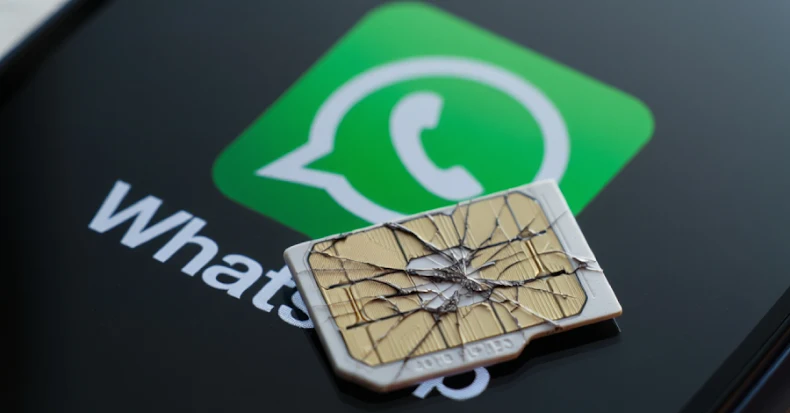
In a decisive move to bolster cybersecurity and curb digital fraud, India’s Department of Telecommunications (DoT) has issued a directive requiring all app-based communication service providers to ensure their platforms operate exclusively with active SIM cards linked to users’ mobile numbers. This mandate targets popular messaging applications such as WhatsApp, Telegram, Snapchat, Arattai, Sharechat, Josh, JioChat, and Signal, all of which utilize Indian mobile numbers to uniquely identify their users. These platforms have been given a 90-day window to comply with the new regulation.
Background and Rationale
The amendment to the Telecommunications (Telecom Cyber Security) Rules, 2024, aims to address the escalating misuse of telecommunication identifiers in phishing schemes, scams, and other forms of cyber fraud. The DoT emphasized that binding messaging app accounts to active SIM cards is essential to close security loopholes exploited by malicious actors, particularly in cross-border fraudulent activities.
Key Provisions of the Directive
1. Continuous SIM Linkage: Messaging apps must maintain a continuous link to the SIM card installed in the user’s device, rendering the app inoperable without an active SIM. This measure ensures that only users with valid, active SIM cards can access these services, thereby reducing the risk of anonymous or fraudulent accounts.
2. Periodic Web Session Logout: The directive mandates that web-based instances of messaging platforms automatically log out every six hours. Users wishing to continue their web sessions must re-authenticate by scanning a QR code. This periodic re-authentication process is designed to minimize the potential for account takeovers and unauthorized remote access.
Government’s Perspective
The DoT highlighted several concerns that prompted this directive:
– Persistent Account Access Post-SIM Deactivation: Instances where messaging app accounts remain accessible even after the associated SIM card is removed, deactivated, or used abroad. Such scenarios have facilitated anonymous scams, including impersonation of government officials and remote ‘digital arrest’ frauds.
– Challenges in Tracing and Takedown: Long-lived web or desktop sessions allow fraudsters to control victims’ accounts from distant locations without needing the original device or SIM. This complicates efforts to trace and dismantle fraudulent activities. The current system permits a session to be authenticated once on a device in India and then continue operating from abroad without fresh verification, enabling criminals to conduct scams using Indian numbers without additional checks.
Implications for Users and Service Providers
By enforcing continuous SIM linkage and periodic re-authentication, the government aims to:
– Reduce Account Takeover Attacks: Regular re-authentication introduces additional steps for users, making it more challenging for unauthorized individuals to gain control over accounts.
– Enhance Traceability: Ensuring that every active account and its web sessions are tied to a Know Your Customer (KYC)-verified SIM allows authorities to trace numbers used in various scams, including phishing, investment fraud, digital arrest schemes, and loan scams.
Extension of Existing Policies
It’s noteworthy that similar SIM-binding and automatic session logout rules are already in place for banking and instant payment applications utilizing India’s Unified Payments Interface (UPI) system. The latest directive extends these security measures to encompass messaging apps, reflecting the government’s commitment to safeguarding digital communication channels.
Industry Response
As of now, major messaging platforms like WhatsApp and Signal have not publicly responded to the directive. Compliance with these new regulations will require significant technical adjustments, and the industry is closely monitoring developments.
Broader Context
This directive is part of a series of initiatives by the Indian government to enhance digital security. Recently, the DoT announced the establishment of a Mobile Number Validation (MNV) platform aimed at curbing the rise in mule accounts and identity fraud resulting from unverified linkages of mobile numbers with financial and digital services. This platform will enable service providers to validate, through a decentralized and privacy-compliant system, whether a mobile number used for a service genuinely belongs to the person whose credentials are on record, thereby enhancing trust in digital transactions.
Conclusion
The Indian government’s directive to bind messaging app accounts to active SIM cards represents a significant step in the ongoing battle against cyber fraud and misuse of digital communication platforms. By implementing these measures, the DoT aims to create a more secure digital environment, protecting users from scams and ensuring that messaging services are used responsibly and transparently.