India’s Aadhaar Expansion: Balancing Convenience with Privacy Concerns
India’s Aadhaar system, the world’s largest digital identity framework, is undergoing significant expansion, integrating more deeply into daily life through new applications and offline verification methods. While these advancements aim to streamline identity verification processes, they have ignited debates over security, consent, and the potential for increased surveillance.
Introduction of the New Aadhaar App
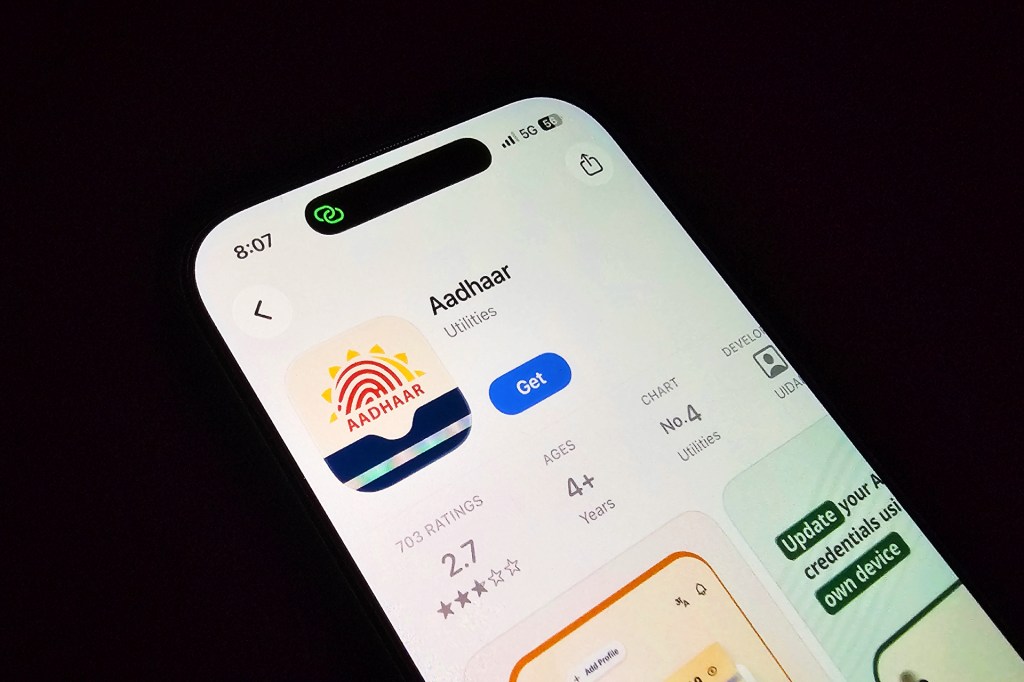
In late January 2026, the Unique Identification Authority of India (UIDAI) unveiled a new Aadhaar application designed to enhance user control over personal data. This app allows individuals to share specific information—such as confirming age eligibility without disclosing exact birth dates—with various service providers, including hotels, housing societies, workplaces, and payment platforms. The existing mAadhaar app remains operational alongside this new application.
Offline Verification Framework
Alongside the app, UIDAI introduced an offline verification framework enabling individuals to authenticate their identity without real-time access to the central Aadhaar database. This method is intended to reduce reliance on physical identification documents, offering a more efficient and user-friendly verification process. For instance, the Ahmedabad City Crime Branch has integrated Aadhaar-based offline verification into PATHIK, a guest-monitoring platform for hotels and guest accommodations.
Integration with Mobile Wallets
UIDAI is also expanding Aadhaar’s presence in mobile wallets. Following existing support on Samsung Wallet, plans are underway to integrate Aadhaar with Google Wallet, with discussions ongoing for similar functionality in Apple Wallet. These integrations aim to provide users with seamless access to their Aadhaar information across various digital platforms.
Privacy and Security Concerns
Despite the convenience offered by these developments, privacy advocates and security experts have raised significant concerns. The centralization of sensitive personal data within Aadhaar’s framework increases the risk of data breaches and unauthorized surveillance. Notably, in October 2023, a massive data breach exposed the Aadhaar and passport numbers of approximately 850 million Indians, highlighting vulnerabilities in the system’s security measures.
Critics argue that the expanded use of Aadhaar, especially by private entities, could lead to misuse of personal information. The Internet Freedom Foundation (IFF) has expressed apprehension about mandating Aadhaar linkage for services beyond state schemes and subsidies, emphasizing the potential for exclusion and privacy violations. They advocate for adherence to the Supreme Court’s judgment in the K.S. Puttaswamy vs Union of India case, which underscores the importance of consent and alternative identification methods.
Government’s Stance and Future Implications
The Indian government maintains that the expansion of Aadhaar aims to enhance service delivery and governance. Nandan Nilekani, former Chairman of UIDAI, has emphasized the system’s design principles, stating that Aadhaar does not collect data on its usage and employs a distributed approach to data storage to mitigate privacy risks. However, he acknowledges that privacy and cybersecurity remain concerns inherent in large-scale digital transformations.
As Aadhaar becomes more integrated into various facets of daily life, the balance between convenience and privacy continues to be a contentious issue. Ensuring robust data protection measures, transparent policies, and adherence to legal frameworks will be crucial in addressing the concerns of citizens and privacy advocates alike.