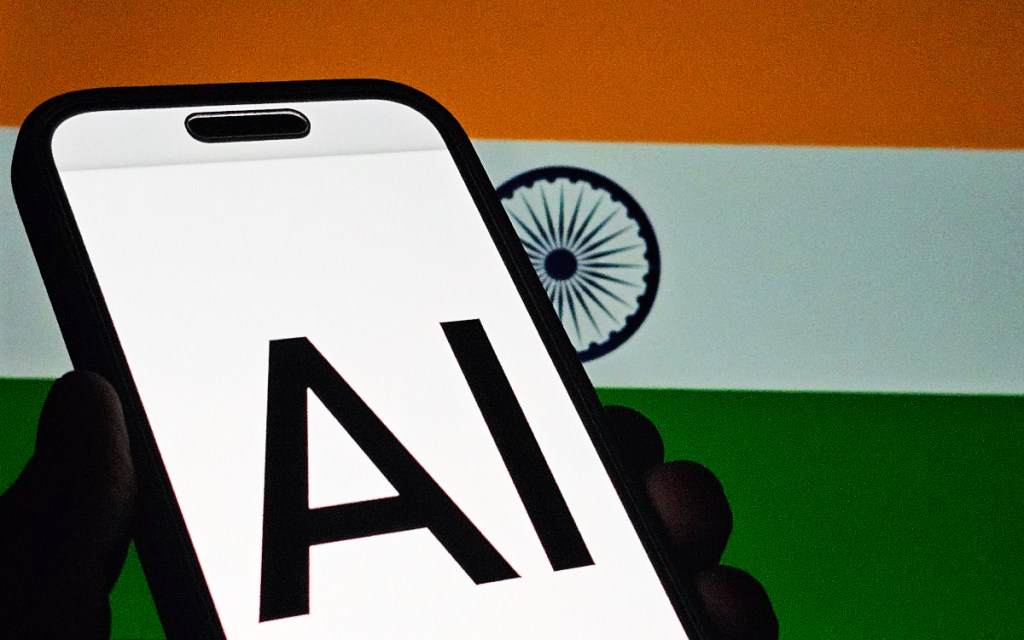
The India AI Impact Summit 2026, currently underway in New Delhi from February 16 to 20, marks a significant milestone as the first global AI summit hosted in the Global South. This five-day event has attracted over 20 heads of state and top executives from leading technology companies, underscoring India’s growing influence in the global AI landscape.
Key Highlights from the Summit:
1. Inaugural Address by Prime Minister Narendra Modi:
Prime Minister Modi, alongside French President Emmanuel Macron, is scheduled to deliver a keynote address on February 19, emphasizing the summit’s focus on inclusive growth and sustainable development through AI. ([timesofindia.indiatimes.com](https://timesofindia.indiatimes.com/technology/tech-news/india-ai-impact-summit-2026-dates-venue-speakers-and-everything-you-need-to-know/articleshow/128420608.cms?utm_source=openai))
2. Major Investments in AI Startups:
– India has announced a $1.1 billion allocation for a state-backed venture capital fund aimed at investing in AI and advanced manufacturing startups across the country.
– Blackstone has acquired a majority stake in Indian AI startup Neysa as part of a $600 million equity fundraise, with plans to deploy over 20,000 GPUs to enhance AI capabilities.
3. Expansion of AI Infrastructure:
– AMD is collaborating with Tata Consultancy Services (TCS) to develop rack-scale AI infrastructure based on AMD’s Helios platform, aiming to bolster India’s AI computational resources.
– Anthropic has announced the opening of its first office in Bengaluru, recognizing India as its second-largest user base for the AI assistant Claude.
4. AI’s Impact on Employment:
– Vinod Khosla, founder of Khosla Ventures, highlighted the transformative potential of AI, suggesting that industries like IT services and BPOs could almost completely disappear within five years due to AI advancements.
– HCL CEO Vineet Nayyar emphasized that Indian IT companies will focus on profitability rather than being primary job creators, reflecting the evolving role of AI in the industry.
5. Global Participation and Sessions:
The summit features over 500 sessions and more than 840 exhibitors, including national delegations, AI startups, tech companies, and research labs. Key themes include AI’s role in healthcare, agriculture, education, and governance, with a strong emphasis on making AI accessible and inclusive, particularly for the Global South. ([timesofindia.indiatimes.com](https://timesofindia.indiatimes.com/technology/tech-news/india-ai-impact-summit-2026-dates-venue-speakers-and-everything-you-need-to-know/articleshow/128420608.cms?utm_source=openai))
6. Launch of Knowledge Compendiums:
On the second day, the summit unveiled flagship Knowledge Compendiums, including casebooks on AI applications in health, energy, education, agriculture, gender empowerment, and disabilities, aiming to provide actionable insights for AI deployment in various sectors. ([newsonair.gov.in](https://www.newsonair.gov.in/india-ai-impact-summit-2026-underway-at-bharat-mandapam-in-new-delhi/?utm_source=openai))
India’s Strategic Vision for AI:
India’s hosting of the AI Impact Summit 2026 aligns with its broader vision to democratize AI and leverage it to address real-world challenges across key sectors such as healthcare, agriculture, governance, climate, and education. The government’s initiatives include:
– Development of Indigenous AI Models:
The government is supporting the creation of indigenous large and small language models trained on Indian datasets to reflect local dialects and contexts. Startups like Sarvam AI, Soket AI, Gnani AI, and Gan AI have been selected to develop open-source foundational models. ([ibef.org](https://www.ibef.org/news/india-to-host-ai-impact-summit-in-february-2026-focusing-on-democratising-artificial-intelligence-ai-to-solve-real-world-challenges-across-sectors?utm_source=openai))
– Enhancing AI Compute Infrastructure:
To strengthen computing access, 34,381 Graphics Processing Units (GPUs) have been provisioned through the IndiaAI Compute Portal for use by academia, Micro, Small and Medium Enterprises (MSMEs), startups, and government bodies, with GPUs offered at subsidized rates. ([ibef.org](https://www.ibef.org/news/india-to-host-ai-impact-summit-in-february-2026-focusing-on-democratising-artificial-intelligence-ai-to-solve-real-world-challenges-across-sectors?utm_source=openai))
– Capacity Building and Skilling Initiatives:
Large-scale skilling programs have trained over 500,000 students, with AI infrastructure and curriculum expanding to 500 universities, creating a robust national talent pipeline. ([youtube.com](https://www.youtube.com/live/03vkUXbh-Qg?utm_source=openai))
Global Collaboration and Future Outlook:
The India AI Impact Summit 2026 serves as a global platform for collaboration, innovation, and deployment-driven artificial intelligence. By bringing together leaders from diverse backgrounds, the summit aims to shape frameworks that ensure AI’s responsible and inclusive growth. The event’s focus on practical, affordable AI solutions designed to work in settings with limited connectivity and infrastructure reflects India’s commitment to making AI accessible to all. ([worldbank.org](https://www.worldbank.org/en/events/2026/02/05/india-ai-impact-summit-2026?utm_source=openai))
As the summit progresses, it is expected to culminate in the adoption of the New Delhi Declaration, a non-binding pledge outlining goals for AI development centered around inclusive growth, sustainability, and humanity. This declaration will likely serve as a guiding document for future AI initiatives and collaborations on a global scale. ([apnews.com](https://apnews.com/article/f32aa15263349dadad1840dadc75ca83?utm_source=openai))
In conclusion, the India AI Impact Summit 2026 not only highlights India’s advancements in the AI sector but also positions the country as a pivotal player in shaping the global AI agenda. Through strategic investments, infrastructure development, and international collaboration, India is paving the way for an AI-driven future that is inclusive, sustainable, and beneficial for all.