iFixit’s AirPods Max 2 Teardown: Minimal Changes, Repairability Concerns Persist
In their latest teardown, iFixit delved into Apple’s AirPods Max 2, revealing that the internal design remains largely consistent with its predecessor. While the introduction of the H2 chip marks a notable upgrade, the overall structure and components show minimal evolution.
Design and Internal Layout
Externally, the AirPods Max 2 mirrors the original model, maintaining the same dimensions and weight. Internally, iFixit discovered that many components are interchangeable between the two generations, suggesting potential for cross-compatibility in repairs. This consistency could be advantageous for reducing electronic waste, as existing repair tools and parts may be utilized for both models.
Repairability Challenges
Despite the modular internal design, iFixit highlighted several repairability concerns:
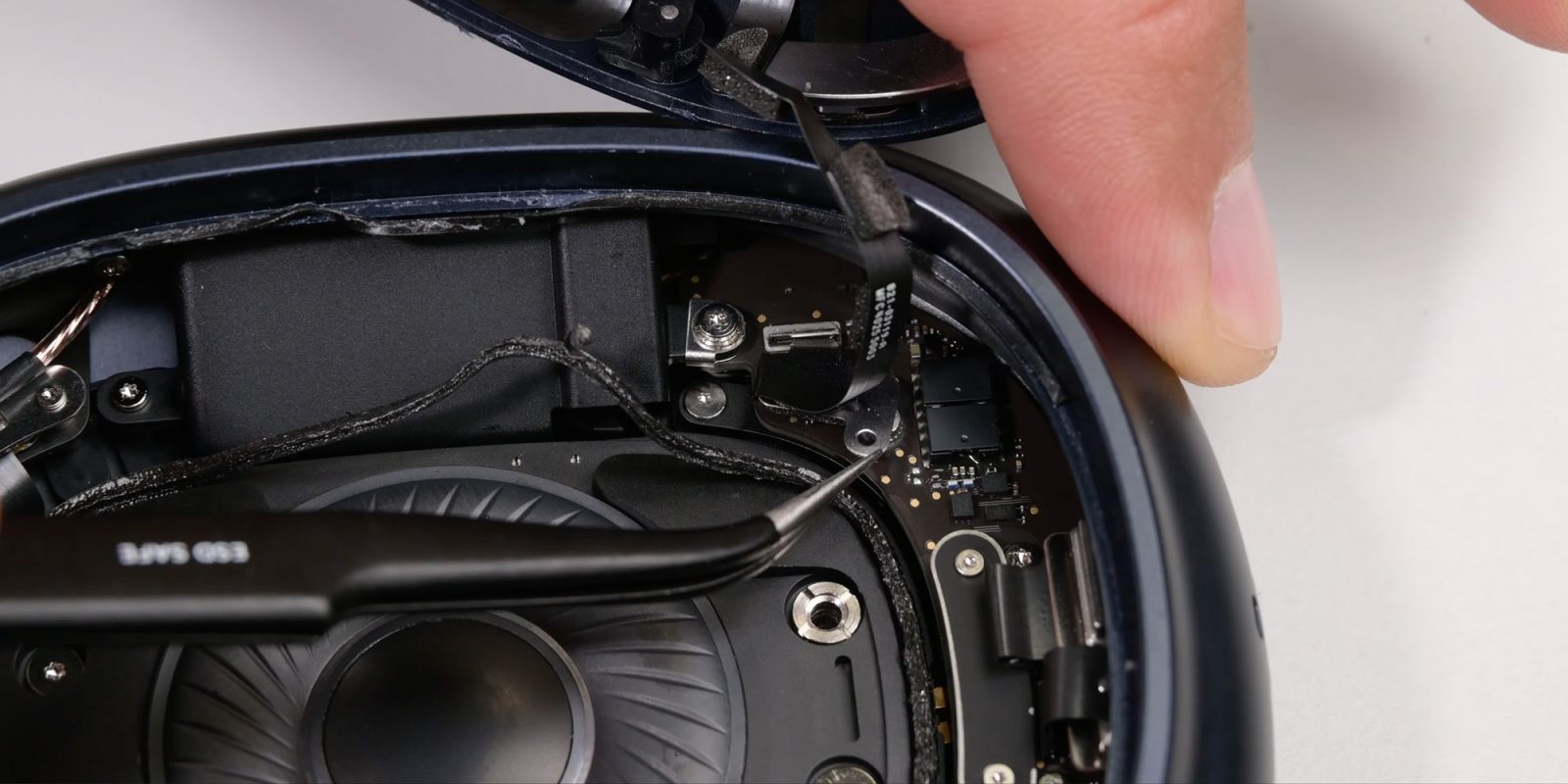
– Adhesive Usage: Apple continues to employ substantial adhesive within the earcups, complicating disassembly and increasing the risk of damaging internal cables during repairs.
– Lack of Official Support: Apple does not provide replacement parts or repair manuals for the AirPods Max series, limiting options for third-party repairs.
– USB-C Port Accessibility: Although the USB-C port is replaceable, accessing it requires dismantling much of the internal assembly, making what should be a straightforward repair more complex.
Condensation Issues
The teardown did not reveal significant changes addressing the condensation problems reported by first-generation AirPods Max users. This suggests that Apple has not implemented substantial design modifications to mitigate this issue in the latest model.
Conclusion
iFixit’s examination of the AirPods Max 2 indicates that while Apple has introduced some hardware updates, the overall design and internal structure remain largely unchanged. The continued use of adhesive and the lack of official repair support present challenges for repairability, raising questions about the device’s long-term sustainability and ease of maintenance.