Mass Exodus at xAI: Half of Founding Team Departs Amidst Organizational Overhaul
In a significant shake-up within the artificial intelligence sector, xAI, the AI startup spearheaded by Elon Musk, has witnessed the departure of six out of its original twelve co-founders. This wave of exits, occurring less than three years after the company’s inception, has raised questions about the internal dynamics and future direction of the organization.
The most recent departures include co-founders Yuhuai (Tony) Wu and Jimmy Ba. Wu announced his resignation on February 9, 2026, expressing his intent to embark on a new chapter. In his statement, Wu highlighted the transformative potential of small teams equipped with AI, suggesting a shift towards more agile and innovative endeavors. Ba followed suit on February 10, 2026, acknowledging the collective achievements of xAI and expressing gratitude towards Musk for the collaborative journey.
These resignations are part of a broader pattern of high-profile exits from xAI. Prior to Wu and Ba, co-founders Kyle Kosic, Christian Szegedy, Igor Babuschkin, and Greg Yang had also left the company. Kosic transitioned to OpenAI in mid-2024, Szegedy departed in February 2025, Babuschkin left to establish a venture firm, and Yang stepped back due to health concerns.
The timing of these departures coincides with xAI’s recent merger with SpaceX, a strategic move that valued the combined entity at $1.25 trillion. This merger was anticipated to bolster xAI’s resources, particularly in expanding its data center capabilities and enhancing its AI infrastructure. However, the concurrent exodus of key personnel suggests underlying challenges within the organization.
Elon Musk addressed these developments during an all-hands meeting on February 11, 2026. He emphasized the necessity of restructuring to enhance operational efficiency as the company scales. Musk noted that certain individuals are more suited to the early stages of a company, implying that the departures were aligned with the evolving needs of xAI. He further elaborated on social media, stating that the reorganization aimed to improve execution speed and that, as with any rapidly growing entity, structural evolution is imperative.
Despite Musk’s assurances, the departure of half the founding team has sparked discussions about the internal culture and strategic direction of xAI. Some former employees have hinted at a desire for more autonomy and the ability to innovate within smaller, more agile teams. For instance, Vahid Kazemi, a former xAI engineer, expressed his intention to start a new venture, citing a need for greater creativity in the AI field.
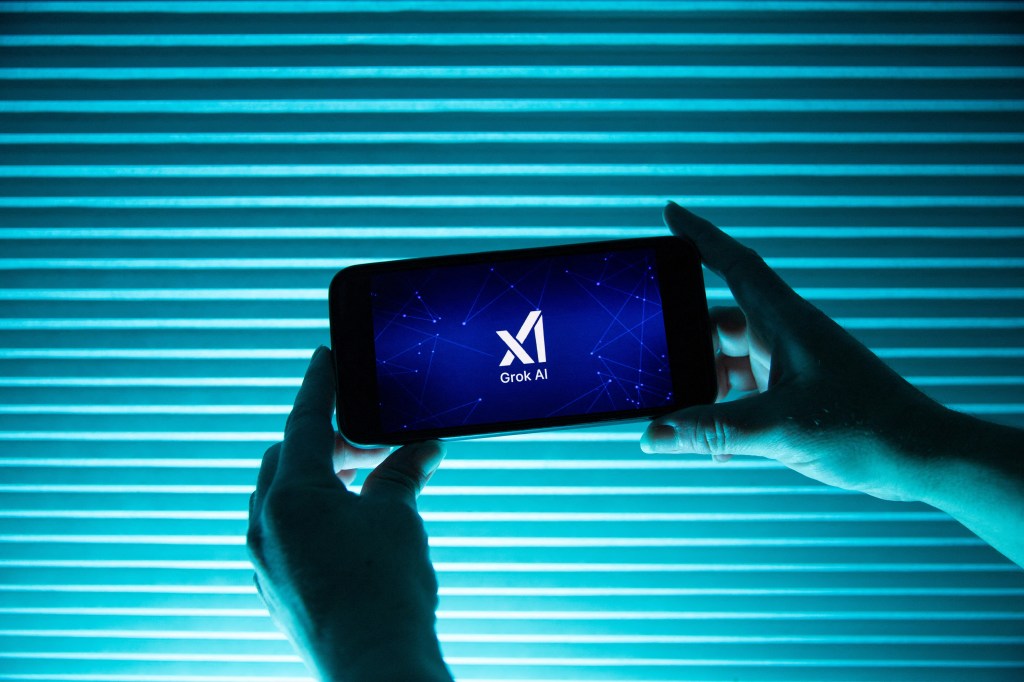
The departures also coincide with regulatory scrutiny faced by xAI. The company’s Grok chatbot and image generation tools have been under investigation for generating explicit deepfake content without consent. This has led to legal challenges and increased oversight, adding pressure to the company’s operations.
As xAI prepares for a planned initial public offering (IPO) later this year, the loss of key talent poses potential challenges. The company must navigate the competitive AI landscape, addressing both internal restructuring and external regulatory pressures. The ability to attract and retain top-tier talent will be crucial for xAI to maintain its position and achieve its ambitious goals in the rapidly evolving AI industry.