Google’s Veo 3.1 Update: Elevating Vertical Video Creation with AI-Powered Reference Images
In a significant advancement for content creators, Google has unveiled an update to its AI-driven video generation model, Veo 3.1, introducing the capability to produce native vertical videos using reference images. This enhancement is poised to revolutionize the creation of content tailored for platforms like YouTube Shorts, Instagram, and TikTok, where vertical formats are predominant.
Seamless Vertical Video Production
With the latest update, Veo 3.1 empowers users to generate videos in the 9:16 aspect ratio, aligning perfectly with the vertical orientation favored by many social media platforms. This native support eliminates the need for post-production cropping, ensuring that the content maintains its intended composition and quality. By integrating this feature directly into the YouTube Shorts and YouTube Create applications, Google streamlines the workflow for creators, enabling them to produce and share vertical videos more efficiently.
Enhanced Expressiveness Through Reference Images
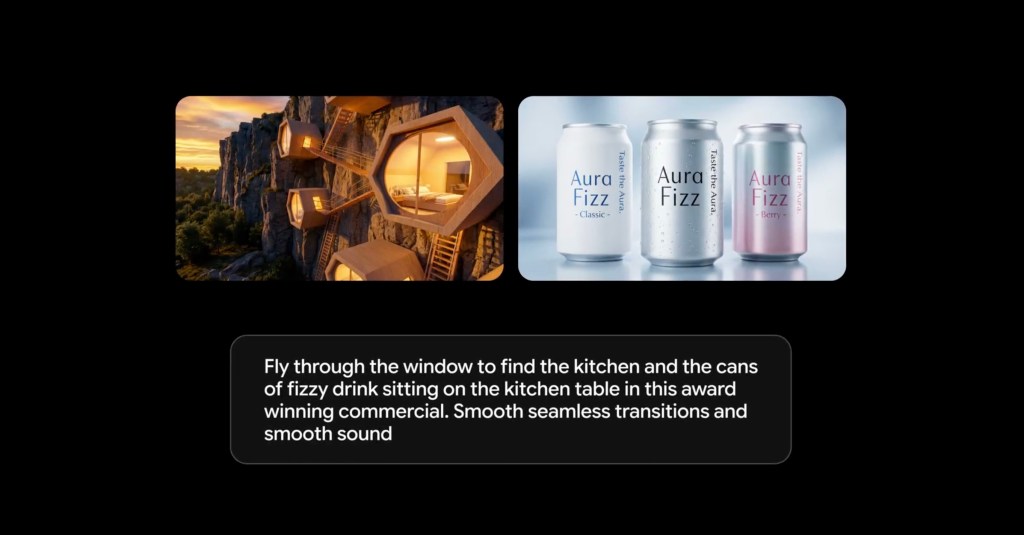
The incorporation of reference images into Veo 3.1’s workflow marks a significant leap in AI-generated video quality. By providing a visual reference, users can guide the AI to produce videos with more dynamic character expressions and movements. This approach not only enriches the visual storytelling but also allows for the creation of more personalized and engaging content. Even with minimal textual prompts, the AI can generate videos that exhibit improved consistency in characters, objects, and backgrounds, resulting in a cohesive and polished final product.
Accessibility Across Google’s Ecosystem
Google has ensured that the enhanced capabilities of Veo 3.1 are accessible across its suite of applications and services. Users can leverage these features within the Gemini app, Google’s AI-powered assistant, to create videos seamlessly. For professional content creators seeking more advanced editing tools, the integration extends to Google’s video editor, Flow, as well as through the Gemini API, Vertex AI, and Google Vids. This widespread availability underscores Google’s commitment to providing versatile tools that cater to a diverse range of user needs.
Advancements in Video Resolution
Beyond the introduction of vertical video support and reference image integration, the Veo 3.1 update brings significant improvements in video resolution. The model now offers enhanced upscaling capabilities, allowing users to generate videos in 1080p and 4K resolutions. This advancement ensures that AI-generated content meets the high-quality standards expected by audiences, making it suitable for both casual sharing and professional applications. The upscaling feature is available on Flow, the Gemini API, and Vertex AI within Google Cloud, providing users with multiple avenues to access high-resolution video generation.
A Brief History of Veo’s Evolution
Google’s journey with the Veo model has been marked by continuous innovation and refinement. The initial release of Veo 3.1 in October 2025 introduced improved audio output and more granular editing controls, setting the stage for more sophisticated video generation capabilities. Prior to that, in July 2025, Google expanded Veo 3’s functionality by adding image-to-video generation capabilities, allowing users to transform static images into dynamic video content. This feature was integrated into the Gemini app, making it accessible to a broad user base. Further enhancements were made in September 2025, when Google Photos incorporated Veo 3, enabling users to animate their still images directly within the app. These progressive updates reflect Google’s dedication to enhancing user experience and expanding the creative possibilities within its ecosystem.
Implications for Content Creators
The latest update to Veo 3.1 holds profound implications for content creators across various domains. By simplifying the process of creating high-quality vertical videos, Google empowers creators to produce content that resonates with the consumption habits of modern audiences. The ability to use reference images to guide video generation opens new avenues for creativity, allowing for the production of personalized and expressive content without the need for extensive technical expertise. Moreover, the improved resolution capabilities ensure that the content remains visually appealing across different viewing platforms, from mobile devices to large screens.
Looking Ahead
As AI continues to permeate the realm of content creation, tools like Veo 3.1 exemplify the potential for technology to democratize creative expression. By providing intuitive and powerful tools, Google enables users to bring their visions to life with unprecedented ease. The integration of these features across Google’s suite of applications ensures that users have the flexibility to create and share content in a manner that aligns with their preferences and the demands of their audiences. As the digital landscape evolves, it is anticipated that Google will continue to refine and expand the capabilities of Veo, further blurring the lines between human creativity and artificial intelligence.