Google’s Minnesota Data Center to Harness 1.9GW of Clean Energy with Innovative 100-Hour Battery
In a significant move towards sustainable energy solutions, Google has unveiled plans to establish its inaugural data center in Minnesota, powered by an impressive 1.9 gigawatts (GW) of clean energy. This ambitious project, located in Pine Island—approximately an hour southeast of Minneapolis—underscores Google’s commitment to integrating renewable energy into its operations.
Strategic Collaboration with Xcel Energy
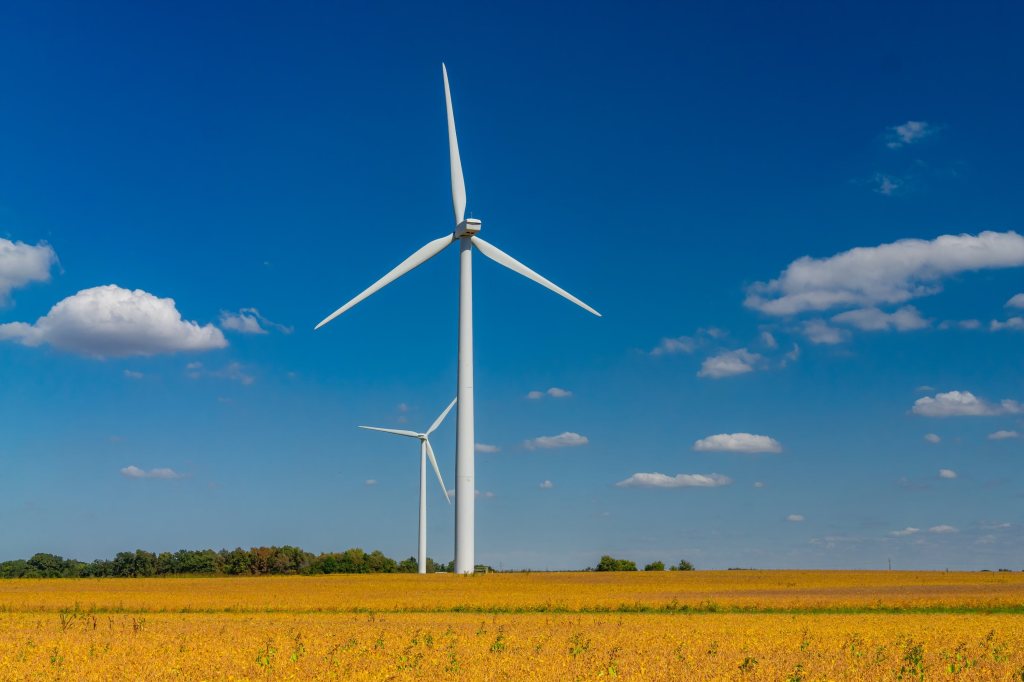
To bring this vision to fruition, Google is collaborating with Xcel Energy to develop a robust renewable energy infrastructure. The partnership aims to construct 1.4 GW of wind power and 200 megawatts (MW) of solar power. These renewable sources will collectively feed into a groundbreaking 300 MW battery system, designed and manufactured by the innovative startup, Form Energy.
The Pioneering 100-Hour Battery System
At the heart of this initiative is Form Energy’s state-of-the-art battery, capable of delivering its full rated power continuously for 100 hours. With a total storage capacity of 30 gigawatt-hours (GWh), this system is poised to become the largest battery installation globally. Its primary function is to ensure the data center operates on clean energy for extended periods, effectively bridging gaps during times when renewable energy generation is low, such as nighttime or during periods of low wind.
Advancements in Long-Duration Energy Storage
Long-duration batteries like Form Energy’s are pivotal in enhancing the reliability of renewable energy sources. They address the intermittent nature of wind and solar power by providing a consistent energy supply, a process known as firming the power source. While grid-scale lithium-ion batteries currently perform similar roles, their storage durations are comparatively shorter.
Innovative Iron-Air Battery Technology
Form Energy’s battery technology stands out due to its unique iron-air composition. Unlike conventional grid-scale batteries that utilize lithium-ion technology—often adapted from automotive applications—Form’s batteries store energy through a process involving the rusting and deoxidizing of iron.
The operational mechanism is as follows:
– Discharging: Oxygen from the air interacts with iron pellets inside the battery, causing the iron to rust and simultaneously generating electricity.
– Charging: An electrical current reverses the rusting process, converting the rust back into metallic iron and releasing oxygen, which is then expelled from the battery.
While iron-air batteries are heavier and exhibit lower efficiency—delivering between 50% to 70% of the energy used to charge them, compared to over 90% for lithium-ion batteries—they offer a significant cost advantage. Form Energy projects that their technology will eventually reduce storage costs to approximately $20 per kilowatt-hour (kWh), making it at least three times more affordable than current lithium-ion batteries.
Introducing a Novel Utility Fee Structure
This project also marks the introduction of an innovative utility fee structure in Minnesota, designed to facilitate the adoption of clean technologies by utilities without conflicting with regulatory mandates that prioritize cost-effective electricity sources. This model, previously developed by Google in Nevada, involves a clean transition tariff or clean energy accelerator charge. Under this agreement, Google agrees to pay a premium, allowing utilities like Xcel Energy to undertake projects that might be deemed risky by regulators, thereby ensuring that regular ratepayers are not financially impacted.
Form Energy’s Growing Footprint
Form Energy’s iron-air battery technology is gaining traction beyond this collaboration with Google. The startup is currently installing its first battery system in Minnesota with cooperative utility Great River Energy. This installation is designed to store 150 megawatt-hours (MWh) of energy for 100 hours, delivering a peak output of 1.5 MW to the grid. Form Energy manufactures its batteries at a facility in West Virginia and has secured $1.4 billion in funding to date, according to PitchBook data.
Google’s Broader Renewable Energy Initiatives
This Minnesota project is part of Google’s broader strategy to integrate diverse renewable energy sources into its operations. In recent years, Google has entered into several significant agreements to secure clean energy:
– Hydropower Agreement: In July 2025, Google announced a $3 billion deal with Brookfield Renewable Energy Partners to source 670 MW of hydropower capacity from two plants in Pennsylvania. This agreement is part of a larger framework allowing Google to access up to 3 GW of capacity, supporting the company’s expanding data center operations.
– Fusion Energy Investment: In June 2025, Google partnered with Commonwealth Fusion Systems (CFS) to purchase 200 MW of electricity from CFS’s Arc power plant, expected to be operational in the early 2030s. This deal also included Google’s participation in a new funding round for CFS, underscoring Google’s interest in pioneering energy technologies.
– Geothermal Energy in Taiwan: In April 2025, Google announced its first geothermal investment in Asia, adding 10 MW of geothermal power in Taiwan. Developed by Swedish company Baseload Capital, this project aims to tap into Taiwan’s geothermal potential, contributing to the country’s goal of harnessing 6 GW of geothermal energy by 2050.
– Advanced Nuclear Power Development: In May 2025, Google collaborated with nuclear site developer Elementl Power to develop three sites for advanced nuclear reactors, each with a capacity of at least 600 MW. This initiative reflects Google’s proactive approach to securing diverse and reliable clean energy sources for its data centers.
Conclusion
Google’s plan to establish a data center in Minnesota powered by 1.9 GW of clean energy, including a pioneering 100-hour iron-air battery system, exemplifies the company’s dedication to sustainable and innovative energy solutions. By integrating wind, solar, and advanced battery technologies, Google is not only enhancing the reliability of renewable energy but also setting a precedent for the tech industry’s role in combating climate change. This project, along with Google’s other renewable energy initiatives, highlights the company’s commitment to achieving a carbon-free future.