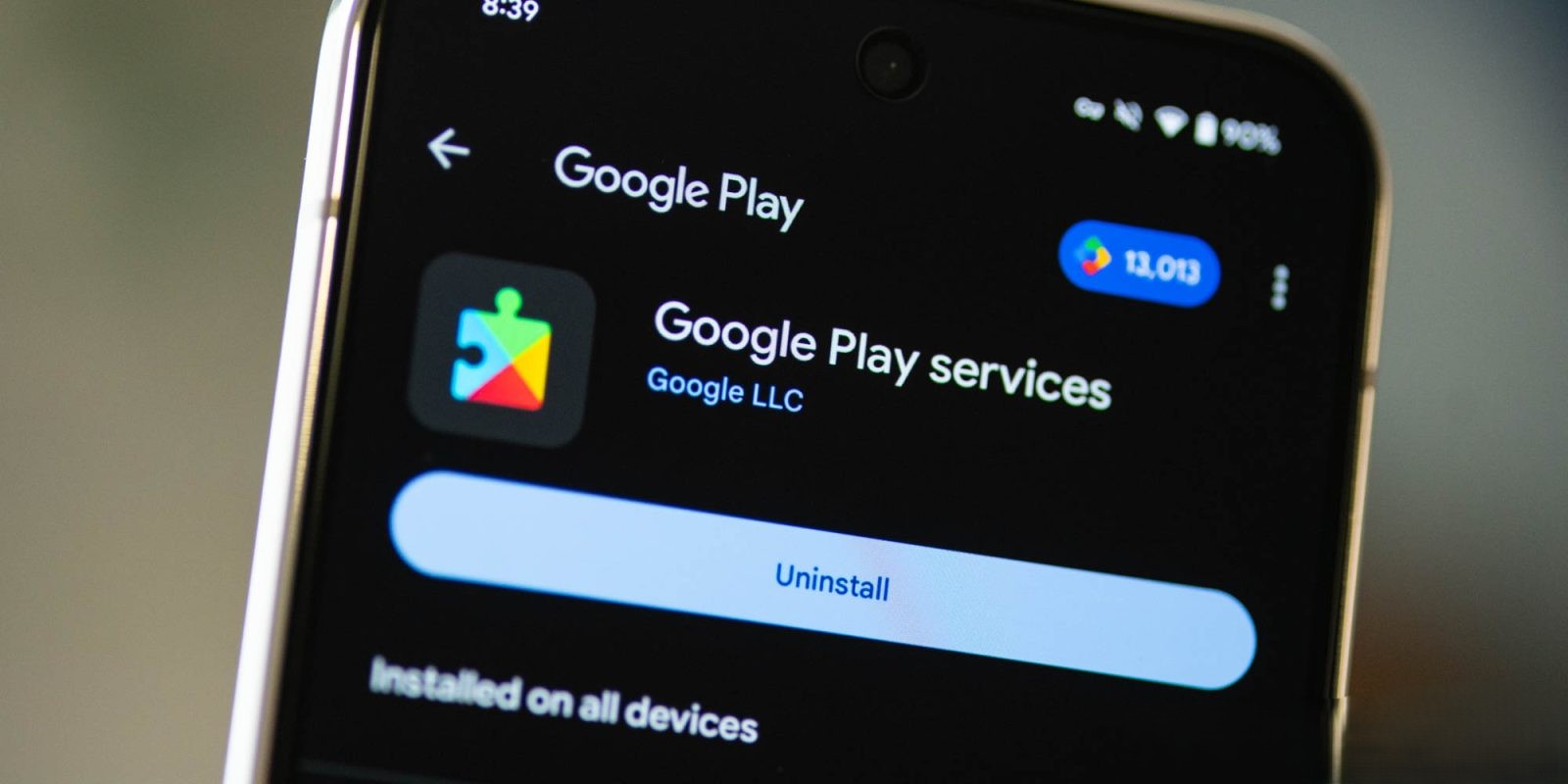
Google’s February 2026 System Updates: Enhancing Android’s Functionality and Security
In February 2026, Google introduced a series of system updates aimed at enhancing the functionality, security, and user experience across its Android ecosystem. These updates span various components, including Private Compute Services, Google Play services, and the Google Play Store, reflecting Google’s commitment to continuous improvement.
Private Compute Services B.22 (Released on February 13, 2026):
The latest iteration of Private Compute Services, version B.22, focuses on maintenance enhancements. While specific details are limited, such updates typically involve refining system processes, addressing minor bugs, and ensuring optimal performance of background services that support Android’s privacy-preserving features.
Google Play Services v26.05 (Released on February 9, 2026):
This update introduces several notable features:
– Developer Services: Developers now have the capability to control the display of transit data on maps within their applications. This enhancement allows for more dynamic and context-aware mapping experiences, particularly beneficial for navigation and travel-related apps.
– Device Connectivity: New tools and APIs have been provided to developers to support processes related to device connectivity. These resources aim to facilitate smoother interactions between devices, enhancing functionalities such as data synchronization, device pairing, and cross-device operations.
– Wallet: The update expands the range of passports supported by the ID Pass feature in Google Wallet. This broadens the utility of digital identification, enabling users from more countries to store and access their passports digitally, thereby streamlining travel and identification processes.
Google Play Store v50.1 (Released on February 9, 2026):
A significant policy change accompanies this update:
– Content Publication: The Play Store will no longer support content publication for applications utilizing outdated versions of the EngageSDK. This move underscores Google’s emphasis on maintaining high standards for app performance and security. Developers are encouraged to update their applications to the latest SDK versions to ensure compliance and optimal functionality.
Google Play Services v26.04 (Released on February 2, 2026):
This earlier update brought improvements in several areas:
– Account Management: Users purchasing additional Google Account storage will experience a more streamlined and user-friendly process. This enhancement aims to simplify storage management, making it more accessible for users to expand their storage as needed.
– Developer Services: New features have been introduced to assist developers in implementing security and privacy-related processes within their applications. These tools are designed to help developers build more secure apps, aligning with Google’s ongoing commitment to user privacy and data protection.
– System Management: The device setup process has been streamlined, reducing the time and steps required to configure new devices. This improvement enhances the out-of-the-box experience for users, allowing them to get their devices up and running more efficiently.
Accessing and Applying Updates:
To ensure devices are up-to-date with these enhancements, users can follow these steps:
1. Open the Settings App: Navigate to the device’s settings menu.
2. Access Google Services: Tap on the user’s name at the top to enter the Google services section.
3. Navigate to System Services: Switch to the All services tab, then proceed to Privacy & security, and select System services.
Regularly updating system components is crucial for maintaining device security, accessing new features, and ensuring optimal performance.
Conclusion:
Google’s February 2026 system updates reflect a comprehensive effort to enhance the Android ecosystem’s functionality, security, and user experience. By introducing new developer tools, expanding digital identification capabilities, and enforcing updated standards for app development, Google continues to demonstrate its commitment to innovation and user-centric improvements.