Google’s Digital Wellbeing: A Neglected Tool in the Age of Smartphone Overuse
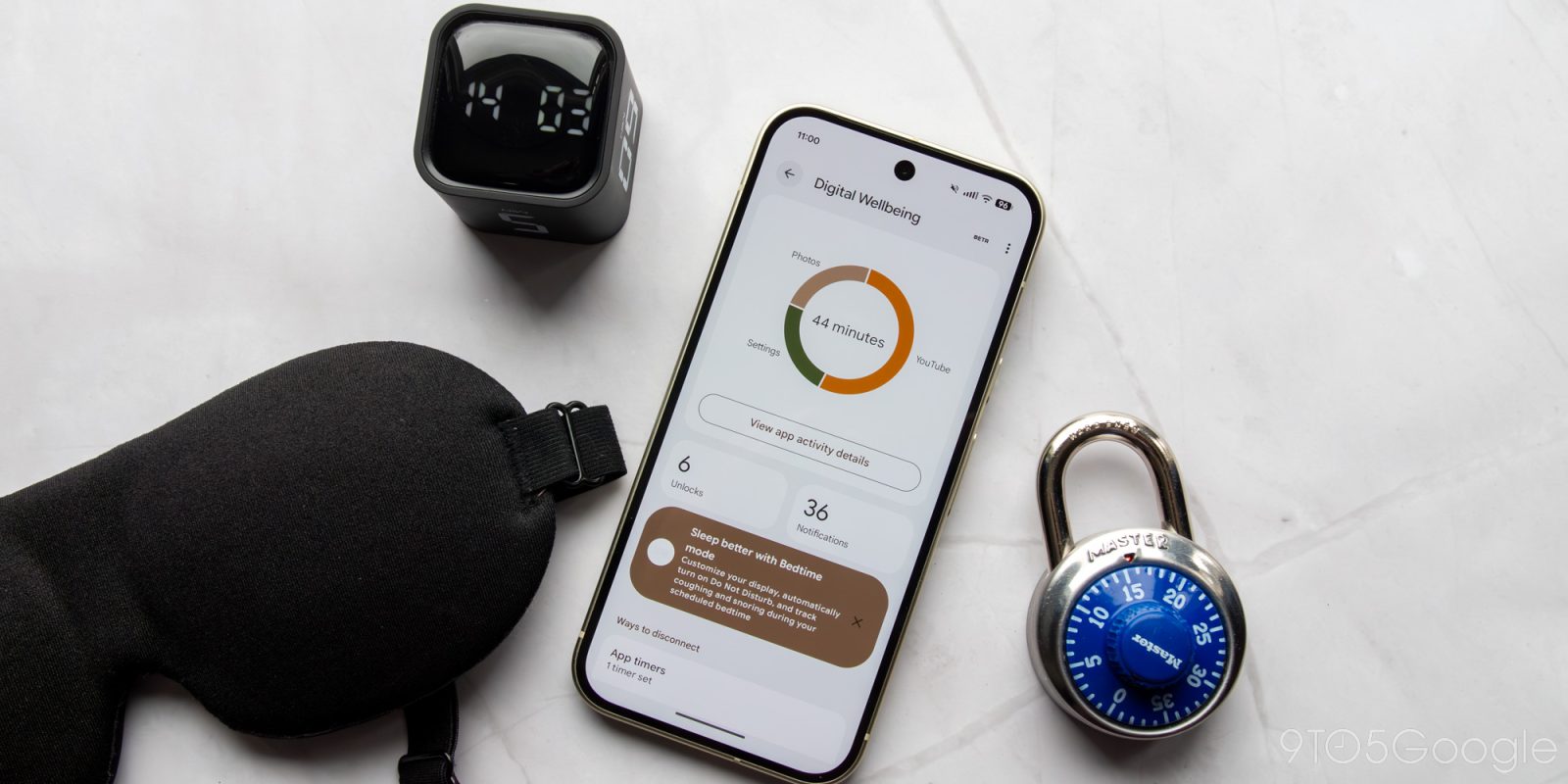
In the labyrinth of Android’s settings, users across various devices encounter Google’s Digital Wellbeing suite—a toolset designed to monitor and manage smartphone usage. At first glance, Digital Wellbeing appears contemporary, boasting a Material 3-inspired design and features like app timers and Bedtime mode. Notably, on Pixel devices, it occupies a prominent position within the settings menu, underscoring its intended significance.
However, beneath this modern facade lies a tool that seems frozen in time, tailored for the challenges of the late 2010s rather than the complexities of 2026. The landscape of smartphone addiction has evolved dramatically, yet Digital Wellbeing has remained largely static, failing to address the nuanced issues users face today.
The Genesis and Stagnation of Digital Wellbeing
Introduced at Google I/O 2018 and rolled out later that year, Digital Wellbeing was heralded as a proactive step toward fostering healthier digital habits. Its initial dashboard presented a pie chart detailing app usage, device unlocks, and notification counts. Features like Wind Down (now Bedtime mode) aimed to reduce screen time before sleep by enabling grayscale displays and Do Not Disturb settings. Despite minor aesthetic updates, the core functionality of Digital Wellbeing has seen minimal innovation since its inception.
At launch, the tool was met with optimism. Critics praised its potential to mitigate the burgeoning issue of smartphone overuse. However, as platforms like TikTok emerged, introducing endless, auto-scrolling feeds designed to captivate users indefinitely, the limitations of Digital Wellbeing became apparent.
The Inadequacy of Existing Features
Consider app timers—a central feature of Digital Wellbeing. While they serve as gentle reminders to limit usage, they are easily bypassed with a few taps, rendering them ineffective for individuals struggling with self-control. The absence of stringent lock-out mechanisms or tangible consequences means that users can effortlessly override these limits, diminishing their efficacy.
This reliance on self-discipline was a point of contention even in 2018. Critics noted that the tool’s effectiveness hinged on personal restraint, a strategy that often falls short in the face of apps engineered to maximize engagement. In an era where smartphones serve as primary entertainment hubs, the allure of infinite content streams easily overpowers the subtle nudges provided by Digital Wellbeing.
The Evolving Digital Landscape
The digital environment of 2026 is markedly different from that of the late 2010s. Social media platforms have transformed into media-centric entities, prioritizing content consumption over social interaction. This shift has intensified the challenge of managing screen time, as users are bombarded with an unending flow of videos, articles, and posts designed to capture attention.
Despite these changes, Digital Wellbeing has not adapted to meet new user needs. Features like Heads Up, intended to prevent physical accidents by alerting users to look up from their screens, address only superficial aspects of smartphone overuse without tackling the underlying issues of digital addiction.
The Need for Innovation
There is a pressing need for Digital Wellbeing to evolve. Potential enhancements could include:
– Stricter Controls: Implementing features that enforce app usage limits more rigorously, making it more challenging to bypass set restrictions.
– Gamification: Introducing reward systems that incentivize reduced screen time, turning the challenge of limiting usage into an engaging experience.
– Social Accountability: Allowing users to share their digital habits with trusted friends or family members to foster a supportive environment for change.
– AI Integration: Leveraging artificial intelligence to provide personalized insights and recommendations based on user behavior, similar to fitness trackers that suggest activity goals.
However, the stagnation of Digital Wellbeing may be symptomatic of a broader issue. The business models of major tech companies often benefit from increased user engagement. More time spent on devices translates to higher ad revenues, more in-app purchases, and greater data collection opportunities. This inherent conflict of interest raises questions about the commitment of these companies to genuinely promoting digital health.
Conclusion
As we navigate the complexities of digital life in 2026, tools like Digital Wellbeing must undergo significant transformation to remain relevant and effective. Without substantial updates and a genuine commitment to user well-being, such tools risk becoming obsolete, leaving users without the support they need to manage their digital habits in an increasingly connected world.