Google’s Future in Wearables and Tablets: Evaluating the Prospects of a Fitbit Smart Ring and a New Pixel Tablet
As the tech landscape continues to evolve, enthusiasts and consumers alike are keenly observing Google’s next moves in the wearable and tablet markets. Recent discussions have centered around the potential development of a Fitbit smart ring and the possibility of a successor to the Pixel Tablet.
The Potential of a Fitbit Smart Ring
The concept of a Fitbit smart ring has garnered attention, especially considering the growing interest in compact health-monitoring devices. Smart rings are lauded for their ability to passively collect health data, such as heart rate and sleep patterns, without the bulkiness of traditional wearables. This discreet form factor appeals to users seeking continuous health monitoring without the presence of a wrist-worn device.
However, the effectiveness of smart rings in tracking physical activities remains a point of contention. While they excel in monitoring passive metrics, their capability to accurately track dynamic exercises is limited compared to smartwatches. This limitation raises questions about their versatility and whether they can serve as standalone fitness devices or merely complement existing wearables.
The trajectory of Fitbit’s product line offers some insight into the likelihood of a smart ring’s development. The Fitbit Inspire series, known for its lightweight design and affordability, has been a staple in Fitbit’s lineup. The potential release of a Fitbit Inspire 4 in 2026 could indicate the company’s commitment to maintaining a range of wearables that cater to different user preferences. If Fitbit continues to invest in its tracker line, it suggests a strategic decision to offer diverse products without necessarily venturing into the smart ring market.
Moreover, the operating system powering Fitbit devices plays a crucial role in product development. The Fitbit OS, which runs on devices like the Sense 2 and Versa 4, may be phased out in favor of Wear OS to streamline resources and enhance functionality. This shift could influence the design and capabilities of future Fitbit products, potentially impacting the feasibility of introducing a smart ring into the lineup.
The Future of the Pixel Tablet
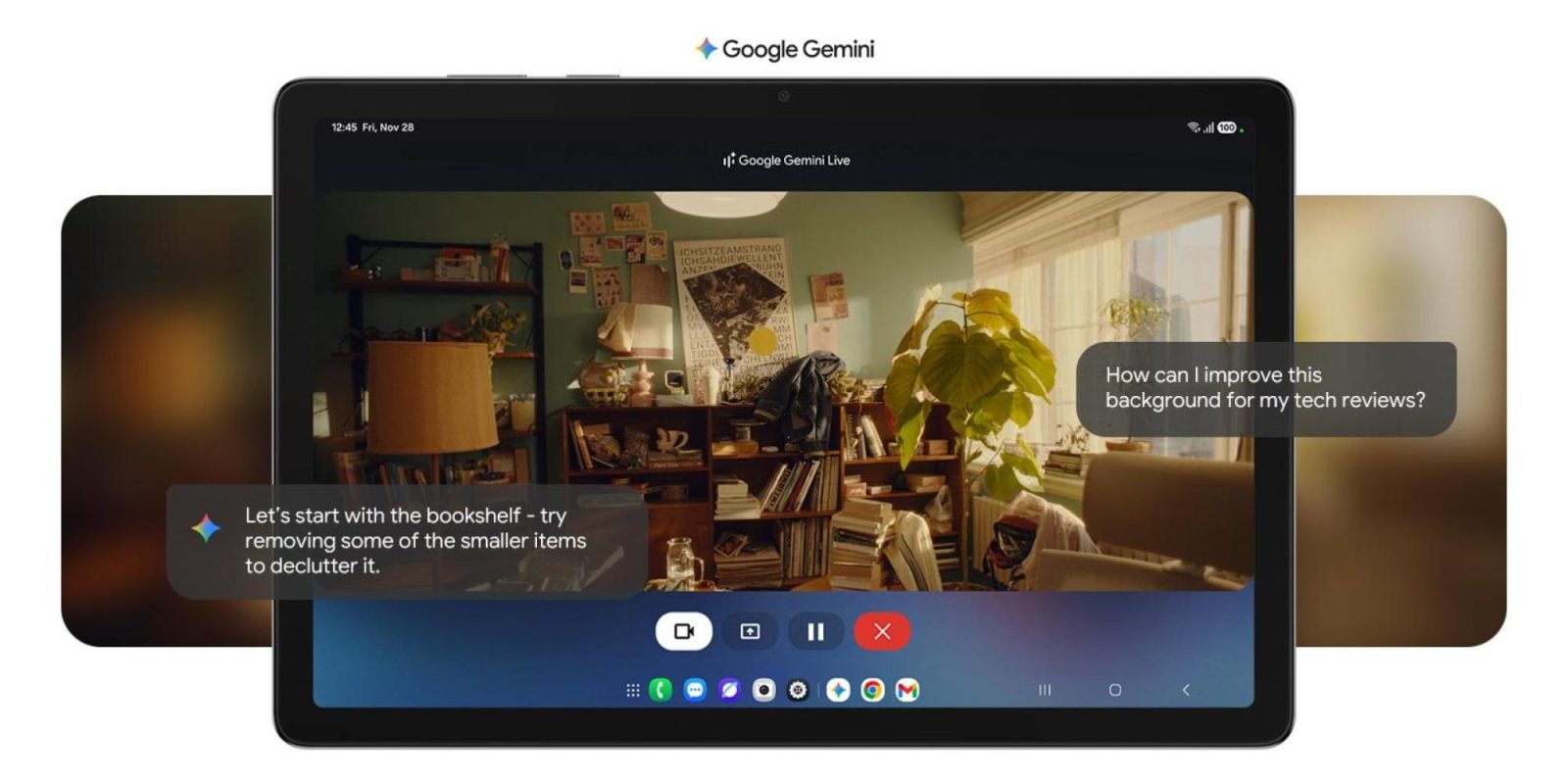
The Pixel Tablet, introduced in 2023, marked Google’s re-entry into the tablet market. Its unique feature, the Charging Speaker Dock, allowed the device to function as a modern Smart Display, differentiating it from competitors. This dual-purpose design aimed to integrate the tablet seamlessly into users’ daily lives, serving both as a personal device and a communal home assistant.
Despite this innovation, the tablet market has faced challenges, particularly with the rise of foldable devices that offer the portability of a smartphone with the screen real estate of a tablet. This trend has led to a decline in traditional tablet sales, prompting companies to reassess their strategies.
In August 2025, Google executives, including Rick Osterloh, Ivy Ross, and Shakil Barkat, confirmed that there were no immediate plans for a Pixel Tablet 2. They emphasized a cautious approach, focusing on refining existing products and exploring meaningful innovations before committing to new tablet developments. This decision reflects a broader industry trend where companies are prioritizing devices that offer multifunctionality and align with evolving consumer behaviors.
Furthermore, the integration of accessories such as keyboards and styluses was considered to enhance the Pixel Tablet’s appeal, especially for productivity tasks. However, without a clear market demand and a compelling use case, the development of a new Pixel Tablet remains uncertain.
Conclusion
While the allure of a Fitbit smart ring and a new Pixel Tablet is evident, Google’s current stance suggests a deliberate and measured approach to product development. The company appears to be focusing on areas with clear consumer demand and technological feasibility, ensuring that any new product aligns with its broader ecosystem and strategic goals.
As the wearable and tablet markets continue to evolve, it remains to be seen how Google will navigate these changes. For now, enthusiasts may need to temper their expectations and await official announcements that provide a clearer picture of Google’s future product roadmap.