Google Introduces ‘Android Developer Verifier’ to Enhance App Security
In a significant move to bolster Android’s security framework, Google has announced the rollout of the ‘Android Developer Verifier’ app, aiming to ensure that applications installed on Android devices originate from verified developers. This initiative is part of a broader strategy to mitigate the risks associated with malicious software and to provide users with a safer app ecosystem.
Timeline of Implementation:
– April 2026: Users will begin to notice the ‘Android Developer Verifier’ integrated into their Google System services settings. This tool will function as a system service responsible for verifying the authenticity of app developers.
– June 2026: Google will introduce early access to limited distribution accounts tailored for students and hobbyists. These accounts are designed to facilitate app sharing among up to 20 devices without necessitating a government-issued ID.
– August 2026: The limited distribution accounts will be launched globally. Concurrently, the ‘advanced flow’ for power users will be made available worldwide, offering an alternative method for sideloading apps.
– September 30, 2026: A pivotal change will take effect in Brazil, Indonesia, Singapore, and Thailand. From this date, only apps registered by verified developers can be installed and updated on certified Android devices within these regions. Unregistered apps can still be sideloaded using Android Debug Bridge (ADB) or through the advanced flow.
– 2027 and Beyond: Google plans to extend this verification requirement globally, although specific timelines for this expansion have yet to be announced.
Developer Verification Process:
Starting immediately, Google is rolling out the developer verification process to all developers via the Play Console and the newly introduced Android Developer Console. The latter is specifically designed for developers who distribute apps outside the Google Play Store. Developers are encouraged to check their Play Console accounts for updates in the coming weeks. Those who have previously verified their identity through the Play Console are likely already compliant with the new requirements.
Integration with Play Services:
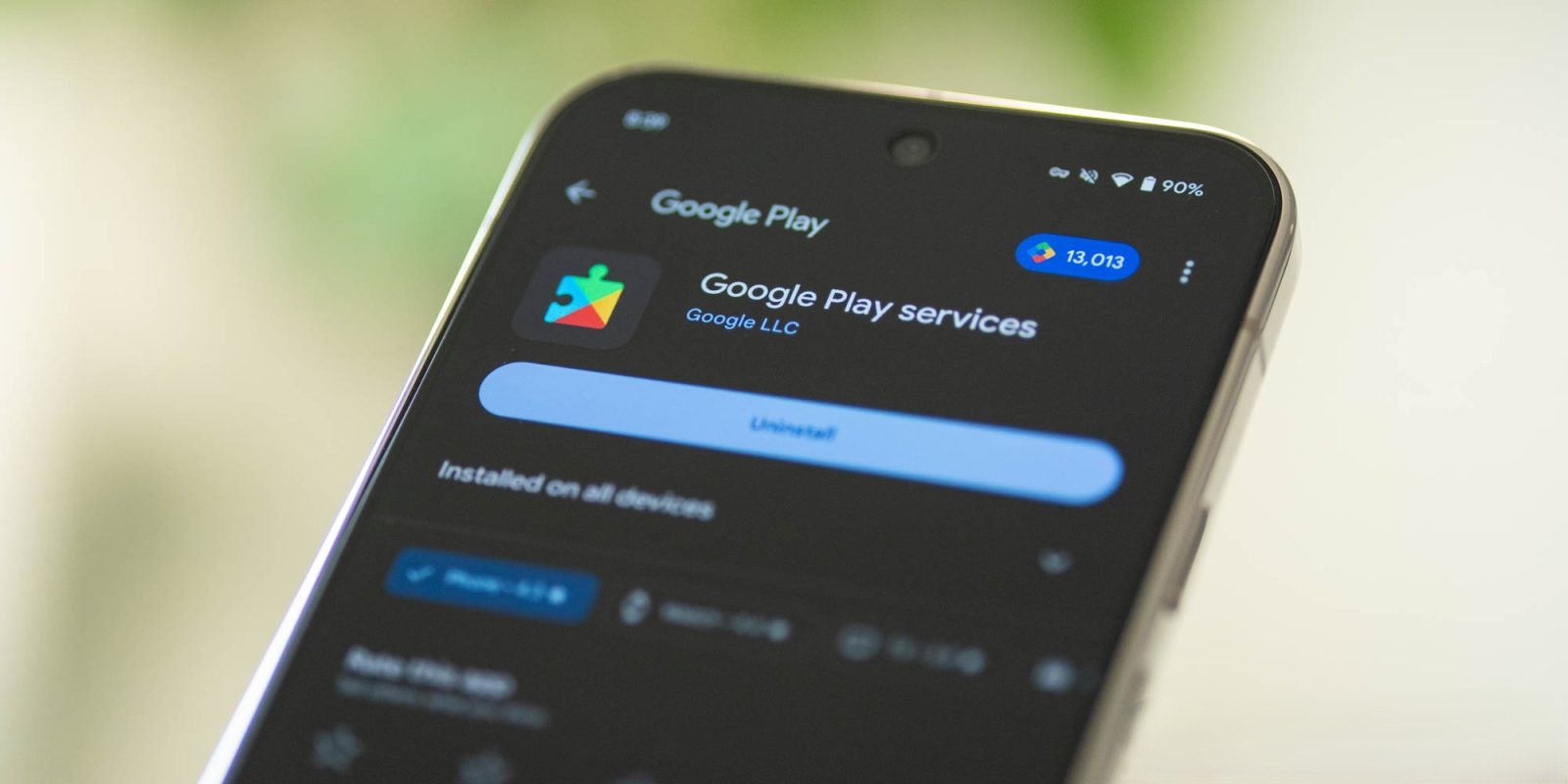
To ensure comprehensive coverage across all Android versions, Google will leverage Play services to implement developer verification. Beginning in April, the ‘Android Developer Verifier’ will be installed on devices as a Google system service. This service will be responsible for confirming whether an app is registered to a verified developer. Users can expect to find this feature within their device settings under Google services, specifically in the System services section.
Advanced Flow for Power Users:
Recognizing the needs of power users and enthusiasts who prefer sideloading apps, Google is introducing an ‘advanced flow’ designed to allow the installation of software from unverified developers. This process is meticulously crafted to prevent scenarios where users might be coerced into installing malicious software under duress.
The advanced flow involves several steps:
1. Enabling Developer Mode: Users must activate Developer mode by navigating to Settings > About phone and tapping the Build number seven times until the You are now a developer! message appears.
2. Confirmation of Intent: Users will be prompted to confirm that they are not being guided or instructed by a malicious actor to disable security measures.
3. Device Restart and Re-authentication: The device will undergo a restart, requiring re-authentication through biometric methods or a device PIN. This step is crucial to terminate any remote access or active phone calls that a scammer might be using to monitor the user’s actions.
4. Security Wait Period: A mandatory one-day waiting period is imposed to ensure that the user genuinely intends to make this change. This period is enforced through biometric authentication or device PIN verification.
Once these steps are completed, users can install apps from unverified developers indefinitely. Additionally, there is an option to enable this setting temporarily for seven days. During the installation of such apps, users will receive warnings indicating that the app is from an unverified developer, with the option to proceed by selecting Install Anyway.
Limited Distribution Accounts:
To support students and hobbyists, Google is introducing limited distribution accounts that do not require a government ID. Apps distributed through these accounts can be shared with up to 20 devices. Early access to these accounts will commence in June, with a global launch scheduled for August. Interested individuals can sign up through the provided channels.
Global Rollout and Future Plans:
By the end of September 2026, the new developer verification requirements will be enforced in Brazil, Indonesia, Singapore, and Thailand. This phased approach allows Google to address regions that have been significantly impacted by fraudulent app scams. The global rollout is planned for 2027, with specific timelines to be announced in due course.
Conclusion:
Google’s introduction of the ‘Android Developer Verifier’ app marks a significant step toward enhancing the security and integrity of the Android app ecosystem. By implementing developer verification and providing advanced sideloading options for power users, Google aims to strike a balance between user safety and the openness that has long been a hallmark of the Android platform.