Google Pixel Leads in Smartphone Repairability, Surpassing iPhone and Samsung
In a recent evaluation of smartphone repairability, Google’s Pixel series has emerged ahead of Apple’s iPhone and Samsung’s Galaxy devices, according to the Failing the Fix (2026) report by the U.S. Public Interest Research Group (PIRG). This annual assessment scrutinizes major tech companies’ approaches to device repairability, highlighting both advancements and shortcomings.
Repairability Rankings:
The report assigns the following grades to the top four U.S. smartphone brands:
– Motorola: B+
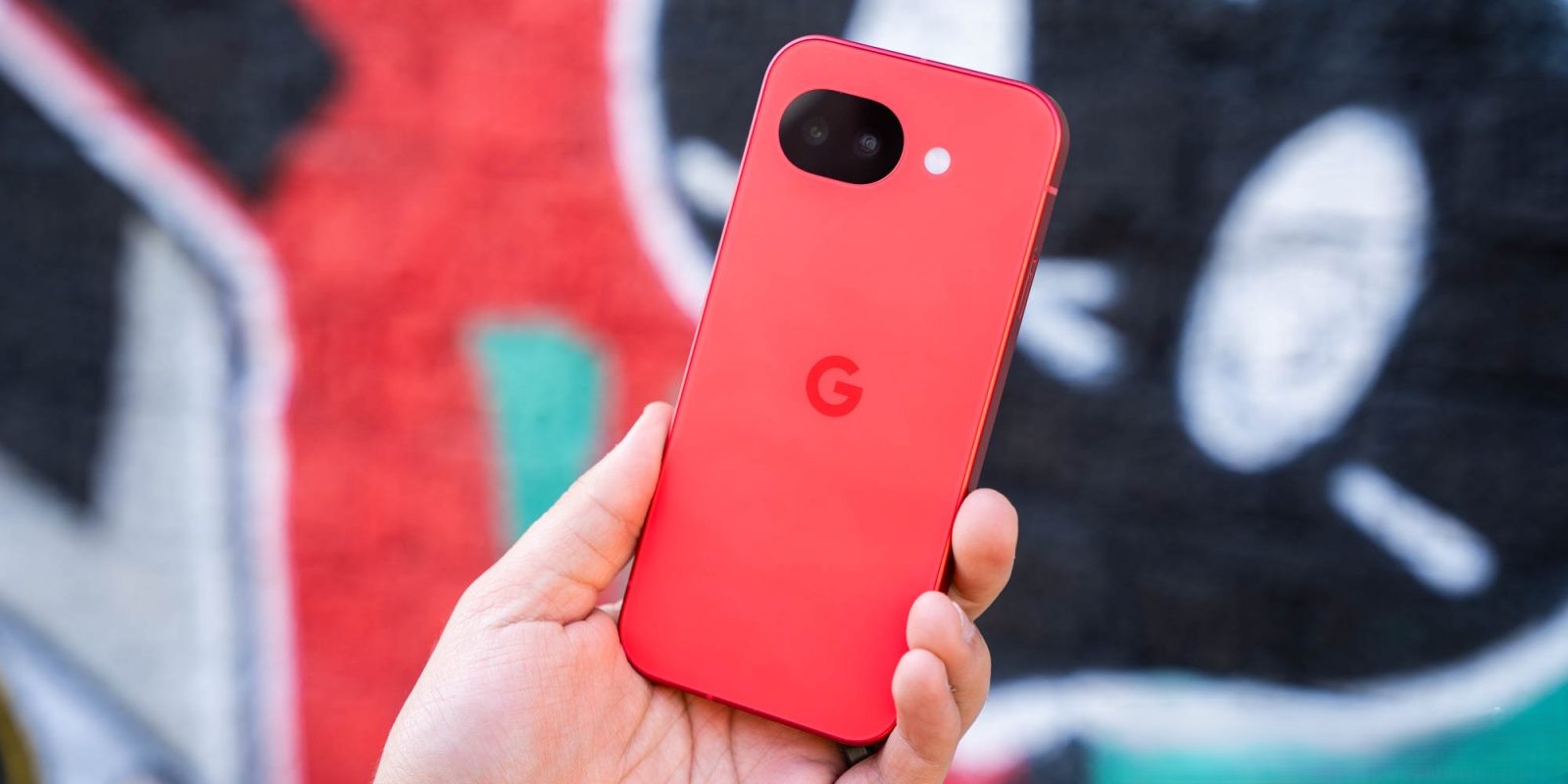
– Google Pixel: C-
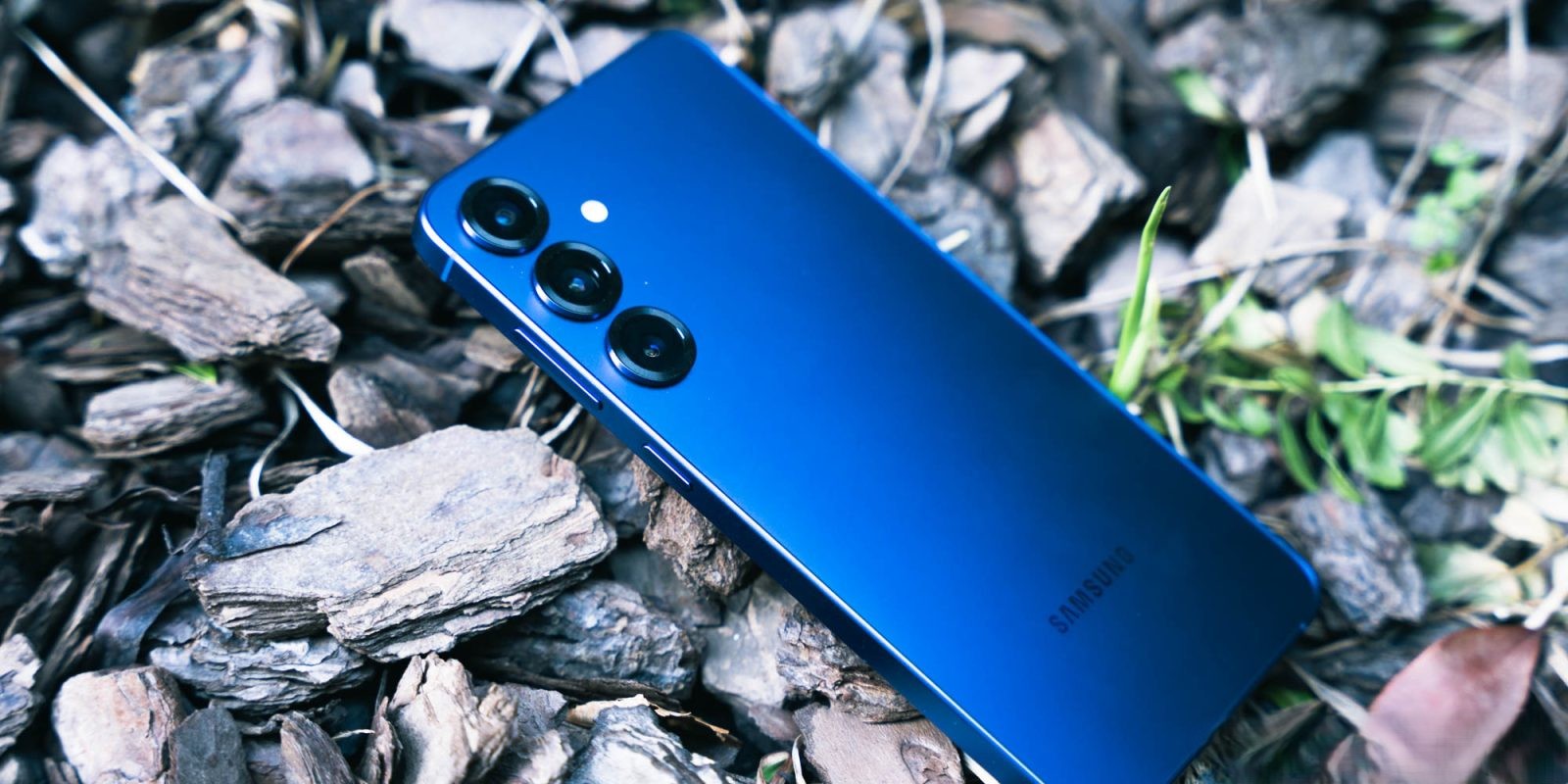
– Samsung Galaxy: D
– Apple iPhone: D-
While Motorola leads with a B+, Google’s Pixel devices achieve a C-, positioning them above Samsung and Apple, which received D and D- grades, respectively. Despite this relative advantage, the overall grades indicate significant room for improvement across the industry.
Evaluation Criteria:
The PIRG’s assessment utilizes data from the European Union’s European Product Registry for Energy Labelling, which includes repairability scores. These scores consider several factors:
1. Ease of Disassembly: The simplicity with which a device can be taken apart for repairs.
2. Availability of Documentation: Access to repair manuals and guides.
3. Spare Parts Accessibility: The ease of obtaining replacement components.
4. Software Update Policies: The duration and frequency of software support provided by the manufacturer.
Notably, Motorola’s leading position is surprising given its historical performance in software updates, suggesting improvements in other areas have bolstered its score.
Laptop Repairability Insights:
The report also evaluates laptop manufacturers, with the following grades:
– Asus: B+
– Apple: C-
Asus leads in laptop repairability, while Apple ranks lower, indicating a consistent trend across its product lines.
Implications and Industry Response:
The PIRG aims to encourage manufacturers to enhance device repairability by publishing these scores. A representative from the organization expressed hope that highlighting low scores will motivate companies to adopt more consumer-friendly repair policies.
Google’s Repairability Initiatives:
Google has made notable strides in improving the repairability of its devices:
– Pixel Watch 4: Introduced as fully repairable, marking a significant step in wearable device maintenance.
– Pixel Buds 2a: Features a replaceable battery in the charging case, addressing a common limitation in wireless earbuds.
These initiatives reflect Google’s commitment to enhancing the longevity and sustainability of its products.
Historical Context and Policy Changes:
In 2024, Google faced criticism for its repair policy, which initially stated that devices sent in with unauthorized parts would not be returned to the owner. This policy was revised to ensure that devices would be returned, even if repairs could not be completed due to safety concerns. This change aligns with broader industry movements toward supporting the right to repair.
Market Share Considerations:
Despite its advancements in repairability, Google’s Pixel series holds a modest share of the smartphone market. As of 2025, Pixel devices accounted for approximately 1% of active smartphones globally. This positions Google as a niche player compared to industry leaders like Apple and Samsung, which command significantly larger market shares.
Conclusion:
The Failing the Fix (2026) report underscores the pressing need for improved repairability across the smartphone industry. While Google’s Pixel devices outperform Apple’s iPhone and Samsung’s Galaxy series in this regard, the overall grades suggest that all manufacturers must make concerted efforts to enhance device repairability. Such improvements are essential for promoting consumer rights, reducing electronic waste, and fostering a more sustainable technology ecosystem.