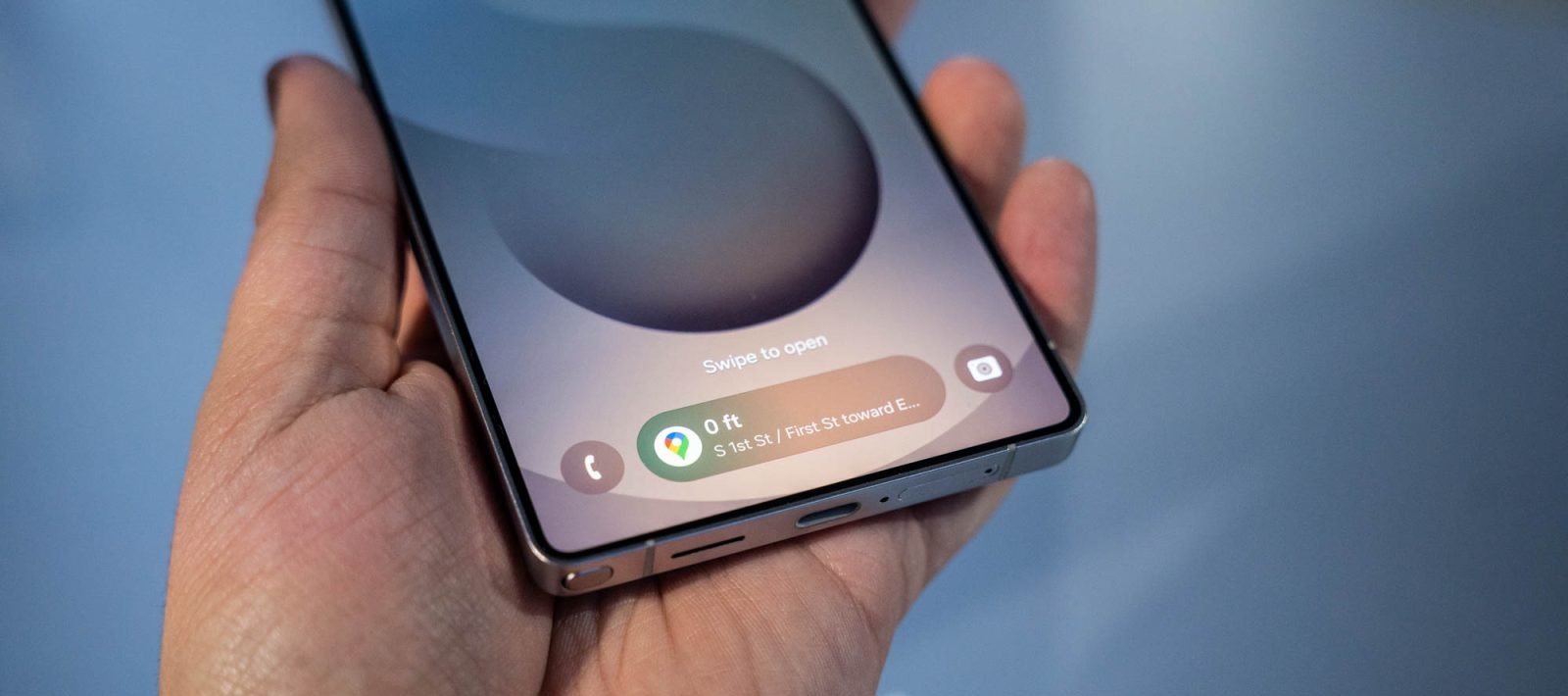
Enhancing the Pixel 10 Experience: The Case for a Matte Finish
Google’s Pixel series has consistently impressed with its innovative design and functionality. However, a recurring critique among users is the glossy glass back featured on the base models. This design choice, while aesthetically pleasing, presents practical challenges that could be mitigated by adopting a matte finish.
The Glossy Glass Dilemma
Since the 2021 reboot of the Pixel lineup, Google has differentiated its flagship models into two tiers: the base model and the Pro variant. The Pro models boast advanced features such as enhanced cameras and increased memory, while maintaining the same core design and chipset as the base models. This stratification is logical, especially considering the Pro models’ higher price point.
In 2023, with the introduction of the Pixel 8 series, Google established a distinct design language. The base models were equipped with glossy glass backs and matte side rails, whereas the Pro variants featured frosted glass backs complemented by polished rails. This design dichotomy aimed to provide a clear visual distinction between the two tiers.
However, the Pixel 10 series has highlighted some drawbacks of this approach. The glossy glass back, while sleek, tends to attract fingerprints and smudges, diminishing the device’s pristine appearance. More critically, the smooth surface can lead to the phone slipping from surfaces or hands, posing a risk of accidental drops. This issue becomes particularly evident when using Qi2 wireless charging accessories, as the phone may slide off chargers, especially in vehicular settings.
A Personal Experiment with Matte Finishes
To address these concerns, a practical experiment was conducted by applying a clear matte skin to the Pixel 10. This modification aimed to enhance grip and reduce the device’s propensity to slide. The results were noteworthy:
– Improved Grip: The matte finish provided a more tactile surface, reducing the likelihood of accidental slips.
– Enhanced Aesthetics: The matte texture offered a refined look, minimizing visible fingerprints and smudges.
– Stability with Accessories: The phone exhibited better stability when placed on Qi2 chargers, mitigating the sliding issue prevalent with the glossy finish.
This experiment underscores the potential benefits of a matte finish, aligning with user preferences for both functionality and aesthetics.
Industry Trends and User Preferences
The broader smartphone industry has observed a shift towards matte finishes. Competitors have embraced this trend, recognizing the practical advantages and user appeal. Matte surfaces not only enhance grip but also offer a sophisticated appearance that resonates with consumers.
User feedback further supports this transition. Many express a preference for matte finishes due to their practicality and visual appeal. The reduction in fingerprints and the improved handling experience are frequently cited advantages.
Conclusion
While Google’s design choices have contributed to the Pixel series’ distinct identity, revisiting the finish of the base models could address user concerns. Adopting a matte finish would enhance the device’s usability, align with industry trends, and cater to user preferences. Such a change would not only improve the tactile experience but also reinforce the Pixel’s reputation for thoughtful design and user-centric innovation.