Android’s Emergency Live Video: A Game-Changer in Crisis Response
In a significant advancement for emergency response, Google has unveiled the Android Emergency Live Video feature, enabling users to share live video feeds with emergency services during critical situations. This innovation aims to provide first responders with immediate visual context, enhancing their ability to assess and address emergencies effectively.
Seamless Integration for Immediate Assistance
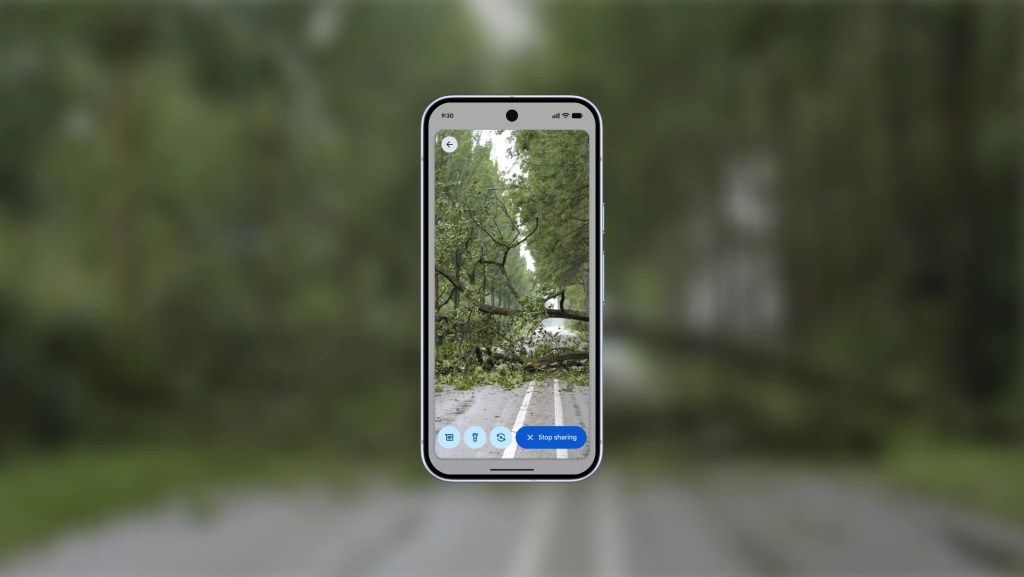
The Emergency Live Video feature is designed for simplicity and security, requiring no prior setup. During an emergency call or text, dispatchers can send a request to the user’s Android device to initiate a live video stream. With a single tap, users can begin sharing real-time footage from their camera, allowing responders to quickly evaluate the scene and provide appropriate assistance. This real-time visual can also guide users through life-saving procedures, such as CPR, until professional help arrives. ([blog.google](https://blog.google/products/android/emergency-live-video/?utm_source=openai))
User Control and Privacy at the Forefront
Google emphasizes user control and privacy in this feature. The live video stream is encrypted by default, ensuring secure transmission. Users have the autonomy to start or stop sharing at any time, maintaining control over their personal information. This approach balances the need for critical information during emergencies with the importance of user privacy. ([blog.google](https://blog.google/products/android/emergency-live-video/?utm_source=openai))
Collaborative Efforts to Enhance Emergency Response
The development of Emergency Live Video is the result of collaboration between Google and key industry partners. Motorola Solutions, whose 911 command center software is utilized by approximately 60% of North America’s public safety answering points, has integrated this feature into their systems. This integration allows dispatchers to receive live video feeds directly, providing them with crucial visual context that can alter the course of emergency responses. ([businesswire.com](https://www.businesswire.com/news/home/20251210027040/en/Motorola-Solutions-and-Google-Let-Android-Users-Share-Live-Video-with-911-in-Seconds?utm_source=openai))
Todd Piett, Senior Vice President of Command Center Software at Motorola Solutions, highlighted the impact of visual information in emergencies, stating that it can change the entire trajectory of a response, whether it’s guiding a parent through the Heimlich maneuver or providing a lifeline during a home invasion when it’s unsafe to speak. ([businesswire.com](https://www.businesswire.com/news/home/20251210027040/en/Motorola-Solutions-and-Google-Let-Android-Users-Share-Live-Video-with-911-in-Seconds?utm_source=openai))
Technical Specifications and Availability
Emergency Live Video is compatible with Android devices running Android 8 or later versions. The feature is currently rolling out in the United States, as well as select regions in Germany and Mexico. Google is actively working with public safety organizations worldwide to expand this capability to more regions, aiming to make this life-saving tool accessible to a broader audience. ([blog.google](https://blog.google/products/android/emergency-live-video/?utm_source=openai))
Enhancing Situational Awareness for First Responders
The integration of live video streaming into emergency response systems significantly enhances situational awareness for first responders. By providing a real-time view of the incident, responders can better prepare and allocate resources, leading to more efficient and effective interventions. This advancement is particularly crucial in scenarios where verbal descriptions may be insufficient or when the caller is unable to communicate effectively.
User Experience and Accessibility
Google has prioritized a user-friendly experience in the design of Emergency Live Video. The process is straightforward: during an emergency call or text, if the dispatcher determines that visual information would be beneficial, they can send a request to the user’s device. The user receives a prompt and can choose to start sharing their camera’s live video with a single tap. This simplicity ensures that users can quickly and easily provide critical information during stressful situations. ([blog.google](https://blog.google/products/android/emergency-live-video/?utm_source=openai))
Security Measures and Data Protection
Security and data protection are central to the implementation of Emergency Live Video. The feature employs end-to-end encryption to safeguard the transmitted video data. Additionally, users retain full control over the sharing process, with the ability to stop the video stream at any time. These measures ensure that sensitive information is protected, addressing potential privacy concerns associated with live video sharing. ([blog.google](https://blog.google/products/android/emergency-live-video/?utm_source=openai))
Future Prospects and Expansion Plans
Looking ahead, Google plans to collaborate with more public safety organizations to expand the availability of Emergency Live Video. By working closely with these entities, Google aims to tailor the feature to meet the specific needs and protocols of different regions, ensuring its effectiveness and adoption on a global scale. ([blog.google](https://blog.google/products/android/emergency-live-video/?utm_source=openai))
Conclusion
The introduction of Android’s Emergency Live Video marks a significant milestone in leveraging technology to enhance public safety. By enabling real-time video sharing during emergencies, this feature provides first responders with critical visual information, improving their ability to assess situations and deliver timely assistance. With user privacy and control at its core, Emergency Live Video exemplifies how technological innovation can be harnessed to save lives and improve emergency response outcomes.