Google’s $1 Billion Investment in Form Energy’s 100-Hour Battery Revolutionizes Data Center Sustainability
In a groundbreaking move, Google has committed $1 billion to Form Energy, a startup specializing in long-duration energy storage solutions. This substantial investment is earmarked for the deployment of Form Energy’s innovative 100-hour iron-air battery system, designed to power Google’s forthcoming data center in Pine Island, Minnesota. This collaboration signifies a pivotal advancement in sustainable energy practices within the tech industry.
The Genesis of the Partnership
Google’s decision to integrate Form Energy’s battery technology into its infrastructure stems from a strategic initiative to enhance the reliability and sustainability of its data centers. The Pine Island facility is set to be powered by a combination of 1.4 gigawatts of wind energy and 200 megawatts of solar energy. The inclusion of Form Energy’s 300-megawatt iron-air battery, capable of delivering continuous power for up to 100 hours, addresses the intermittent nature of renewable energy sources, ensuring a consistent power supply for critical operations.
Understanding Iron-Air Battery Technology
Form Energy’s iron-air battery operates on a unique principle: it breathes oxygen to facilitate the rusting of iron, a process that releases electrons and generates electricity. This reversible reaction allows the battery to store and discharge energy over extended periods, making it particularly suited for applications requiring long-duration energy storage. The technology’s reliance on abundant and cost-effective materials like iron and air positions it as a scalable and economically viable solution for large-scale energy storage needs.
Strategic Implications for Google
The integration of Form Energy’s battery system into Google’s data center infrastructure aligns with the company’s broader commitment to achieving 24/7 carbon-free energy operations. By mitigating the variability inherent in renewable energy generation, the iron-air battery ensures that Google’s data centers can maintain uninterrupted operations, even during periods of low wind or solar activity. This move not only enhances operational resilience but also reinforces Google’s leadership in corporate sustainability initiatives.
Form Energy’s Trajectory and Future Prospects
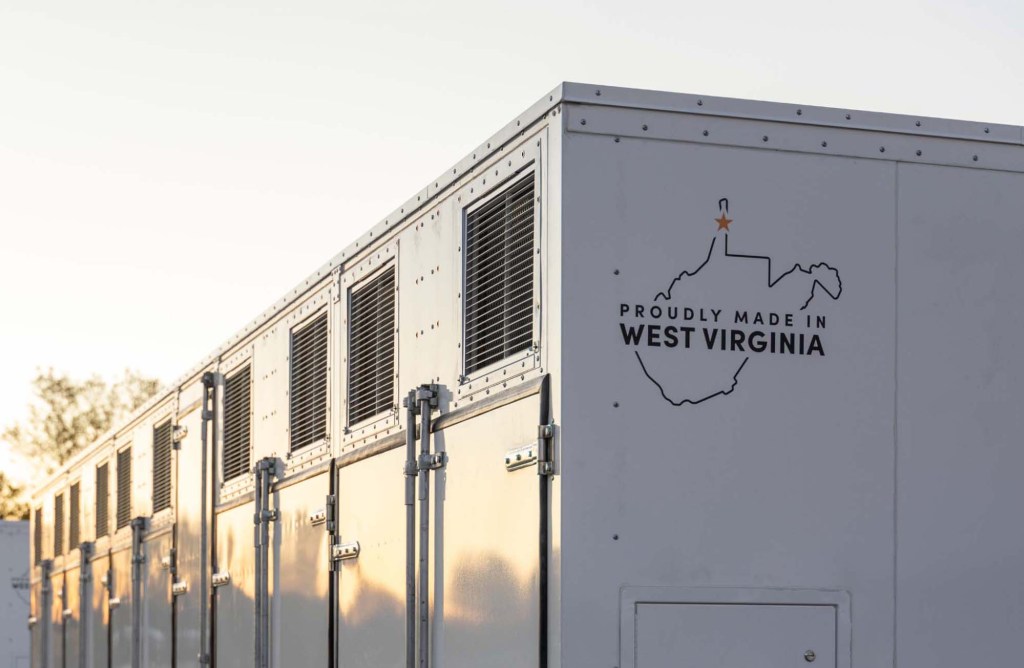
For Form Energy, securing a $1 billion deal with a tech giant like Google marks a significant milestone. The startup, which has been developing its iron-air battery technology for several years, has established a manufacturing facility in West Virginia to scale production. With this substantial order, Form Energy is poised to raise an additional $500 million in funding and is planning to go public in the near future. The partnership with Google not only validates the commercial viability of Form Energy’s technology but also positions the company as a key player in the evolving energy storage market.
Broader Industry Impact
The collaboration between Google and Form Energy exemplifies a growing trend among technology companies to invest in innovative energy solutions that support sustainable operations. As data centers continue to proliferate and energy demands escalate, the adoption of long-duration energy storage technologies like iron-air batteries could become increasingly prevalent. This shift has the potential to accelerate the transition to a more sustainable energy landscape, reducing reliance on fossil fuels and enhancing grid stability.
Conclusion
Google’s $1 billion investment in Form Energy’s 100-hour iron-air battery technology represents a significant leap forward in the pursuit of sustainable and reliable energy solutions for data centers. By harnessing this innovative storage system, Google not only addresses the challenges associated with renewable energy intermittency but also sets a precedent for the tech industry’s role in driving environmental stewardship. As Form Energy prepares for further growth and a potential public offering, the success of this partnership may well inspire broader adoption of long-duration energy storage technologies across various sectors.