Google Integrates Intrinsic to Advance AI-Powered Robotics
In a strategic move to bolster its presence in the realm of physical artificial intelligence (AI), Google has incorporated Intrinsic, an Alphabet-owned robotics software company, into its operations. This integration aims to enhance the accessibility and functionality of industrial robots through advanced AI models and software solutions.
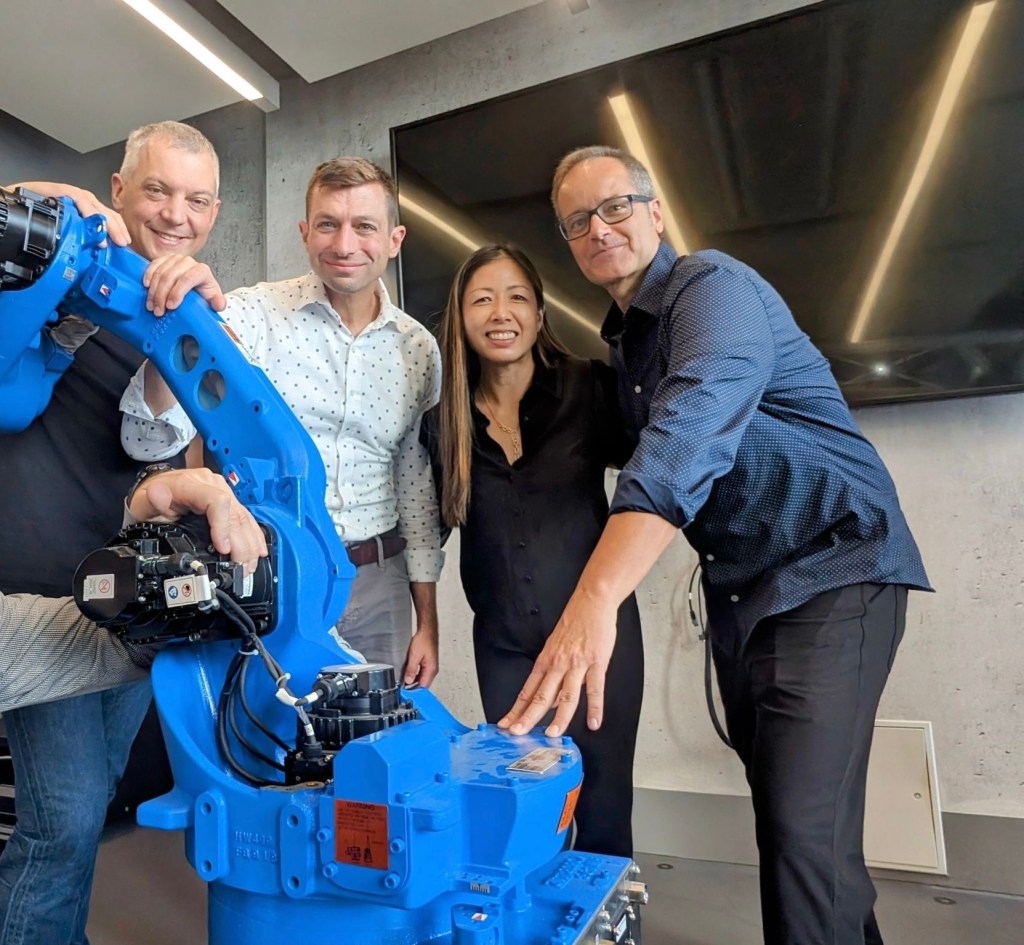
Intrinsic, established as an independent entity under Alphabet in 2021 after five years of development within Alphabet’s X research division, focuses on developing AI-driven software to simplify the use of industrial robots. The company’s mission is to democratize robotics by making them more adaptable and user-friendly for various industries.
Wendy Tan White, who has been at the helm as CEO since Intrinsic’s spinout, has guided the company through significant milestones. In April 2022, Intrinsic acquired Vicarious, a fellow robotics software firm known for its AI solutions in automation tasks such as palletizing and packing. This acquisition was notable, considering Vicarious had secured approximately $250 million in funding from prominent investors, including Jeff Bezos.
Later that year, Intrinsic expanded its capabilities by acquiring several for-profit divisions of Open Robotics, the organization behind the widely used Robot Operating System (ROS) and the Gazebo simulation platform. This move aimed to strengthen Intrinsic’s software offerings and support for the robotics community.
Despite these expansions, Intrinsic faced challenges, including a reduction of 20% of its workforce in January 2023. However, the company rebounded by launching its first product, Flowstate, a software platform designed to assist developers in creating robotics workflows without requiring extensive robotics expertise. This initiative aligns with Intrinsic’s goal of making robotics more accessible to a broader audience.
In late 2025, Intrinsic introduced its Intrinsic Vision AI model, enhancing the capabilities of industrial robots in visual perception tasks. Additionally, the company announced a joint venture with electronics manufacturer Foxconn in October 2025. This collaboration focuses on developing general-purpose intelligent robots to revolutionize electronics manufacturing, aiming for full factory automation.
By joining Google, Intrinsic plans to leverage Google’s AI resources, including the Gemini AI models and cloud services, to accelerate the development and deployment of its robotics solutions. The collaboration with Google DeepMind is expected to unlock new possibilities in physical AI, fundamentally transforming manufacturing processes and operations.
Wendy Tan White expressed optimism about the integration, stating that combining Intrinsic’s expertise with Google’s AI and infrastructure will enable the realization of physical AI’s promise for a broader range of manufacturing businesses and developers. This partnership is anticipated to shift production economics and operations, paving the way for advanced manufacturing capabilities.
This strategic move reflects a broader trend in the tech industry, where companies are increasingly investing in physical AI as the next frontier in AI monetization and technological advancement. Leaders like Nvidia’s Jensen Huang and Qualcomm’s Cristiano Amon have highlighted the potential of physical AI in transforming various sectors, including manufacturing and logistics.
As Intrinsic becomes part of Google, the focus will be on integrating AI-driven solutions to make industrial robots more versatile and accessible, ultimately driving innovation and efficiency in manufacturing and beyond.