Google Disables ‘Take a Message’ Feature on Older Pixel Phones Due to Privacy Bug
Google has identified and addressed a privacy issue affecting the Take a Message feature in its Pixel Phone app, particularly impacting a limited number of Pixel 4 and Pixel 5 devices. This feature, introduced last year, is designed to handle missed or declined calls by prompting callers to leave a message, while simultaneously providing users with a real-time transcript of the caller’s input.
Understanding the ‘Take a Message’ Feature
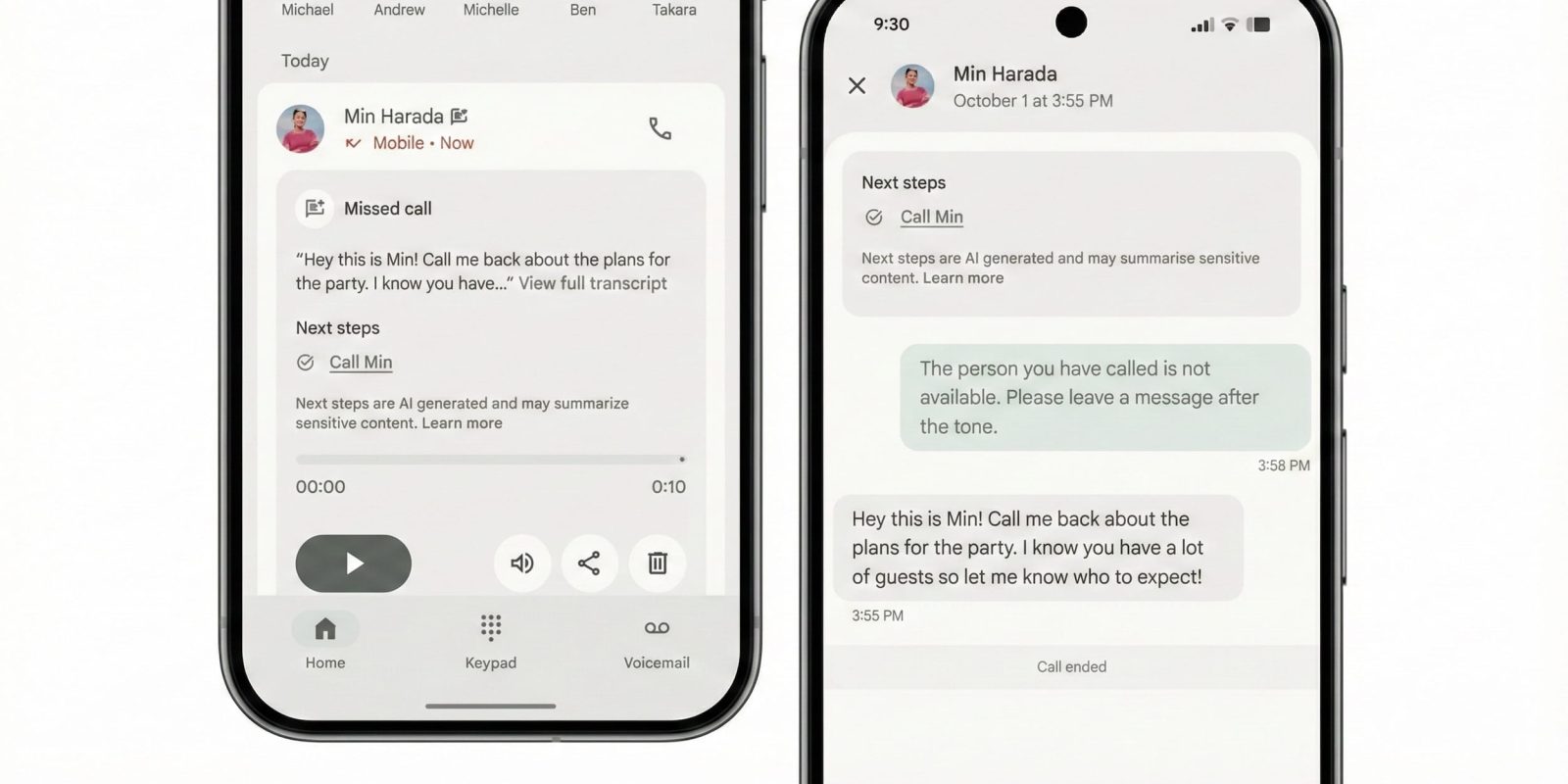
The Take a Message functionality activates when a user either declines or misses an incoming call. It plays a prompt to the caller, stating: The person you have called is not available. Please leave a message after the tone. As the caller leaves their message, the Pixel Phone app displays a Taking a message notification, allowing the user to view a live transcription of the message being recorded. This feature was rolled out to enhance user convenience by providing immediate access to voicemail content without the need to dial into a separate voicemail system.
The Privacy Concern
In recent months, a small subset of users with older Pixel devices reported an unintended behavior with the Take a Message feature. Specifically, the feature would activate and inadvertently transmit background audio from the user’s environment to the caller, as if the call had been answered. This meant that callers could hear ambient sounds or conversations occurring around the user’s phone during the message recording process. Notably, aside from the system’s microphone indicator, there was no clear indication to the user that this audio transmission was taking place.
Google’s Response
Upon investigation, Google acknowledged the issue, stating that it affected a very small subset of Pixel 4 and 5 devices under very specific and rare circumstances. To mitigate potential privacy risks, Google has decided to disable the Take a Message and next-generation Call Screen features on these older devices, which no longer receive Android updates. Users of these devices can continue to utilize manual and automatic Call Screening or rely on their carrier’s voicemail services as alternatives.
A Google spokesperson emphasized the company’s commitment to user privacy, stating: User privacy is our top priority. We’ve investigated this issue, which we’ve confirmed affects a very small subset of Pixel 4 and 5 devices under very specific and rare circumstances. Out of an abundance of caution, we’re disabling Take a Message and next-gen Call Screen features from these devices. These customers will still be able to use manual and automatic Call Screening or their carrier voicemail instead.
Implications for Pixel Users
For users of Pixel 4 and Pixel 5 devices, this development means that the automated convenience offered by the Take a Message feature will no longer be available. However, the manual and automatic Call Screening functionalities remain operational, allowing users to screen calls and manage voicemails effectively. Additionally, users can revert to their carrier’s voicemail services to handle missed or declined calls.
Broader Context
This incident underscores the challenges tech companies face in balancing innovative features with user privacy and security. While features like Take a Message are designed to enhance user experience, unforeseen bugs can lead to unintended privacy breaches. Google’s swift response in disabling the feature reflects a proactive approach to safeguarding user privacy, even at the cost of rolling back certain functionalities.
Looking Ahead
As technology continues to evolve, it is imperative for companies to implement rigorous testing and monitoring mechanisms to detect and address potential vulnerabilities promptly. Users are encouraged to stay informed about updates and changes to their devices’ functionalities and to report any anomalies they encounter to help improve the overall user experience.