Gemini’s AI Automation Enhances User Experience on Samsung Galaxy S26
Google’s AI assistant, Gemini, has introduced a groundbreaking feature known as agentic task automation, now available on the Samsung Galaxy S26 series. This advancement allows Gemini to interact with and control specific Android applications, streamlining tasks such as ordering food or booking rides.
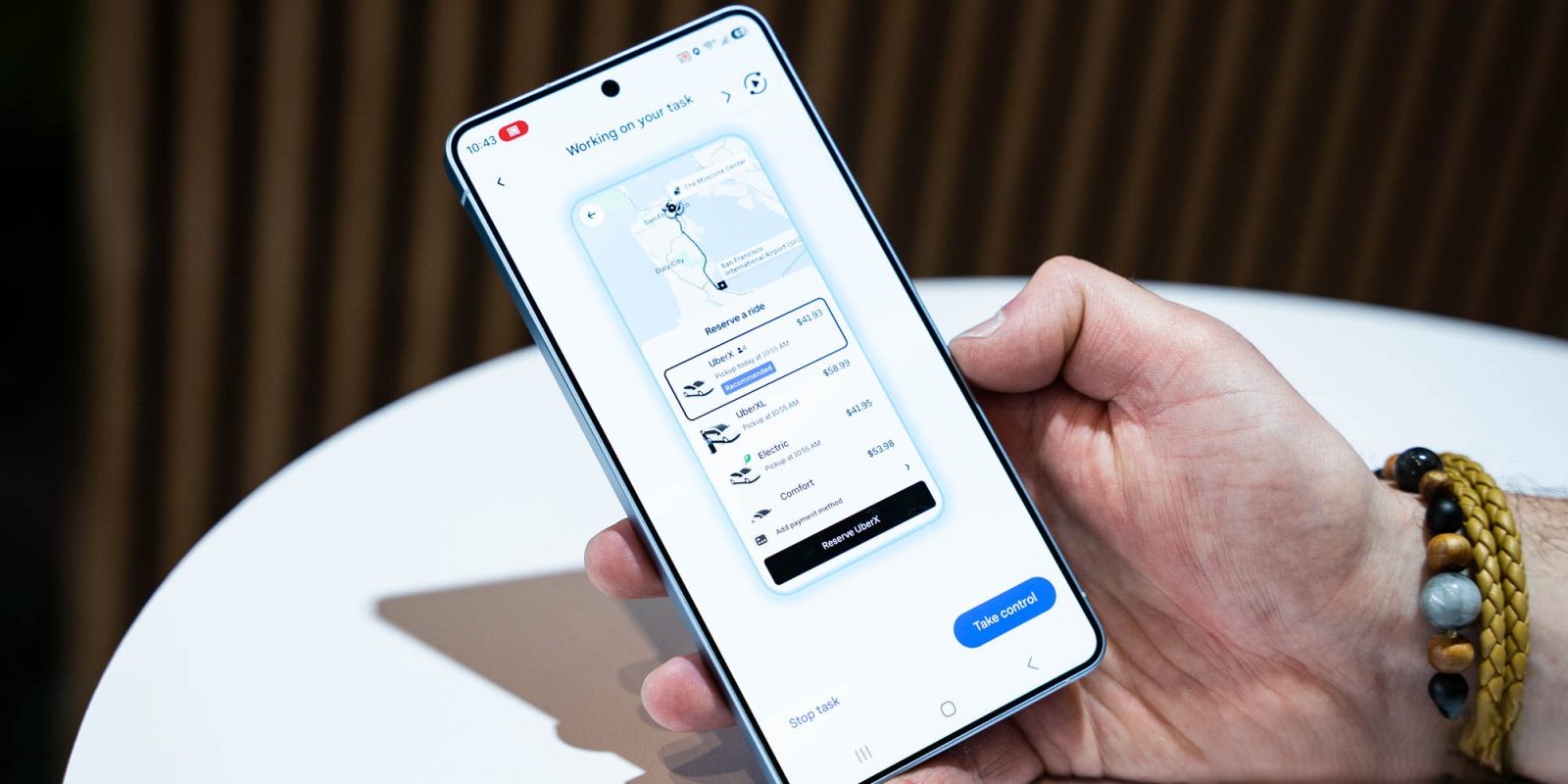
The agentic task automation, also referred to as screen automation, enables Gemini to perform actions within supported apps based on user commands. For instance, a user can instruct Gemini to order a spicy chicken sandwich from Popeye’s on Uber Eats. Gemini then initiates the process by adding the specified item to the cart within the Uber Eats app. While Gemini handles the selection and addition of items, it stops short of finalizing the purchase. At the checkout stage, Gemini notifies the user, prompting them to review and complete the transaction. This approach ensures user oversight and approval before any financial commitment is made.
In practical tests on the Galaxy S26 Ultra, Gemini demonstrated its capability to efficiently manage the ordering process. The AI assistant navigated through the app, selected items, and prepared the order for final confirmation. However, during one test, a glitch occurred where the device became unresponsive, displaying a fullscreen preview of the automation that required a forced reboot to resolve. Such incidents highlight the importance of ongoing refinement to ensure a seamless user experience.
Currently, Gemini’s task automation feature is compatible with a select group of Android applications, including:
– Lyft
– Uber
– Grubhub
– DoorDash
– Uber Eats
– Starbucks
Users can view the list of compatible apps within Gemini’s settings, which dynamically updates based on the applications installed on their device. Google has indicated plans to expand this functionality to include additional apps in the future, broadening the scope of tasks Gemini can automate.
The rollout of this feature is currently exclusive to the Samsung Galaxy S26 series. Google has announced intentions to extend support to other devices, including the Pixel 10, Pixel 10 Pro, and Pixel 10 Pro XL. Users can check for the availability of screen automation in the Gemini app’s settings to determine if the feature is active on their device.
The introduction of agentic task automation represents a significant step forward in AI integration within mobile devices. By enabling Gemini to perform routine tasks within apps, users can save time and reduce the complexity of daily activities. This development aligns with the broader trend of enhancing user experience through intelligent automation, positioning Gemini as a more proactive and capable assistant.
As with any emerging technology, there are challenges to address. The incident of device unresponsiveness during testing underscores the need for continuous improvement and user feedback to refine the feature. Ensuring reliability and user trust is paramount as AI assistants take on more active roles in managing tasks.
Looking ahead, the expansion of Gemini’s capabilities to include a wider range of applications and devices will be crucial. The potential for AI to handle more complex and varied tasks could redefine user interaction with mobile technology. However, this progression must be balanced with considerations of user privacy, security, and control to maintain confidence in AI-driven automation.
In conclusion, Gemini’s agentic task automation on the Samsung Galaxy S26 series marks a notable advancement in AI application within mobile devices. By automating tasks within popular apps, Gemini offers users a more efficient and streamlined experience. As this feature evolves and expands, it holds the promise of further simplifying daily routines and enhancing the functionality of AI assistants.