Ford Unveils AI Assistant and Enhanced BlueCruise Technology at CES 2026
At the 2026 Consumer Electronics Show (CES), Ford announced the development of an advanced AI assistant and the next generation of its BlueCruise hands-free driving technology. These innovations signify Ford’s commitment to integrating cutting-edge technology into its vehicles, enhancing user experience and driving capabilities.
Introduction of Ford’s AI Assistant
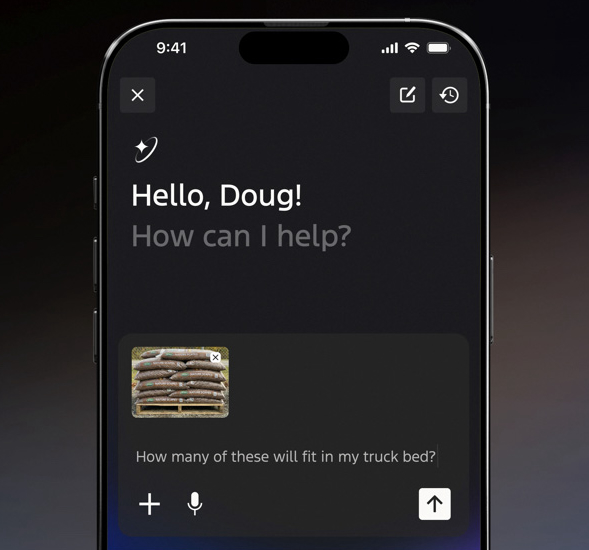
Ford’s forthcoming AI assistant is designed to provide drivers with a more intuitive and interactive experience. Hosted on Google Cloud and built using large language models (LLMs), this assistant will have deep access to vehicle-specific information. This integration allows it to answer both high-level questions, such as How many bags of mulch can my truck bed support? and provide granular, real-time data like oil life status.
The rollout plan for the AI assistant is as follows:
– Early 2026: Launch within the newly revamped Ford smartphone app.
– 2027: Integration into Ford vehicles, with specific models to be announced.
This phased approach ensures that users can familiarize themselves with the assistant’s capabilities via the app before experiencing it directly within their vehicles.
Advancements in BlueCruise Technology
Ford also introduced enhancements to its BlueCruise advanced driver assistance system (ADAS). The next-generation BlueCruise boasts a 30% reduction in production costs compared to its predecessor, making it more accessible to a broader range of consumers. Key milestones for this technology include:
– 2027: Debut on Ford’s first electric vehicle (EV) built on the Universal Electric Vehicle platform, anticipated to be a mid-sized pickup.
– 2028: Introduction of eyes-off driving capabilities, allowing drivers to divert their attention from the road under certain conditions.
These developments position Ford competitively in the evolving landscape of autonomous driving technologies.
Contextualizing Ford’s Innovations
The automotive industry is witnessing a surge in AI integration and autonomous driving features. Competitors are making significant strides:
– Rivian: Demonstrated a digital assistant capable of managing text messages, complex navigation, and climate controls.
– Tesla: Integrated the Grok chatbot, enabling on-the-spot sightseeing tours and other interactive features.
– BMW: Plans to equip the 2026 iX3 with Alexa+, Amazon’s generative AI-powered voice assistant.
– General Motors: Announced the incorporation of a conversational AI assistant powered by Google Gemini in its vehicles starting in 2026.
Ford’s initiatives reflect a broader industry trend towards enhancing vehicle intelligence and driver convenience through AI and automation.
Safety and Regulatory Considerations
As Ford advances its BlueCruise technology, safety remains a paramount concern. The National Highway Traffic Safety Administration (NHTSA) has been actively investigating hands-free driving systems to ensure they meet stringent safety standards. Ford’s commitment to safety is evident in its proactive approach to addressing potential limitations and collaborating with regulatory bodies to ensure the responsible deployment of autonomous driving features.
Conclusion
Ford’s announcements at CES 2026 underscore its dedication to innovation and customer-centric technology. By introducing an AI assistant and enhancing BlueCruise capabilities, Ford aims to provide drivers with a more connected, intuitive, and safe driving experience. As these technologies roll out over the next few years, they are set to redefine the interaction between drivers and their vehicles, marking a significant step forward in automotive evolution.