Fizz’s Bold Expansion: Navigating the Complexities of Saudi Arabia’s Social Media Landscape
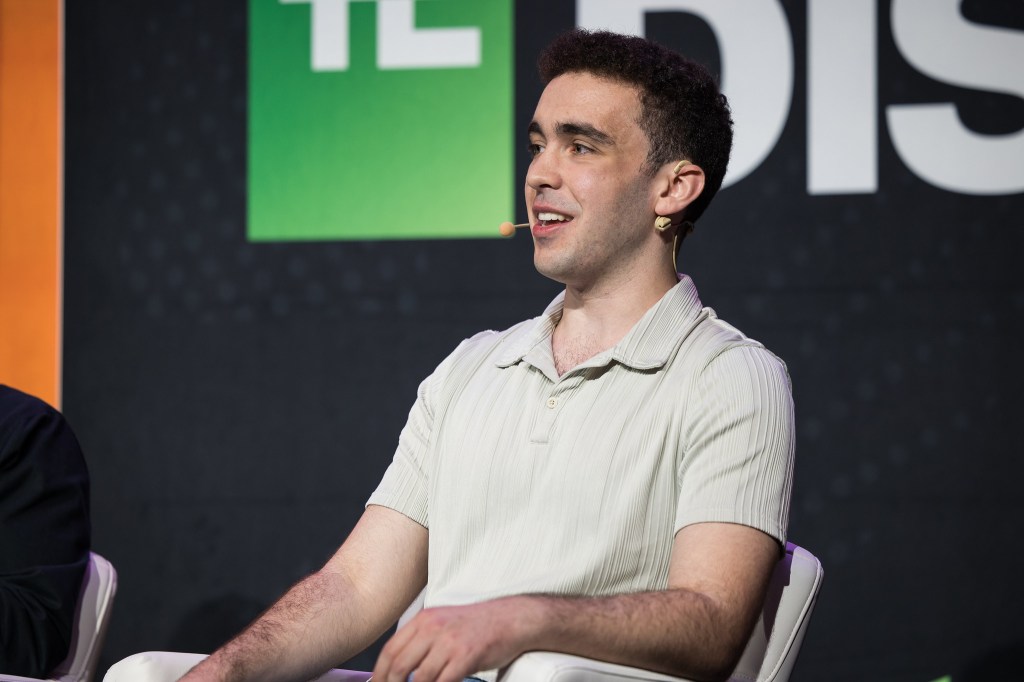
In mid-March 2026, Fizz, an anonymous social media application, made an unexpected and rapid ascent in Saudi Arabia’s digital sphere. Within just 48 hours of its discreet launch, the app soared to the top of the App Store charts, amassing over a million messages from users across the nation. This remarkable reception was unforeseen by Fizz’s founder and CEO, Teddy Solomon, especially considering the app’s origins as a platform tailored for college campuses.
Established in 2022 by Stanford University students Teddy Solomon and Ashton Cofer, Fizz was initially designed to foster anonymous interactions within academic communities. The duo’s vision extended beyond collegiate boundaries, aiming to cultivate a broader, generational social platform. This ambition materialized with the introduction of Fizz Feed, a feature that facilitates location-based communities, thereby welcoming non-student users. The successful penetration into the Saudi Arabian market marks Fizz’s inaugural venture into international territories, underscoring its commitment to global expansion.
The catalyst for this strategic move was Solomon’s participation in a conference in Dubai, where he identified a burgeoning opportunity for Fizz in the Middle Eastern market. To gain deeper cultural insights and establish local connections, Fizz’s marketing analyst, Michael Fonseca, relocated to Saudi Arabia. His efforts were met with enthusiasm, reflecting the nation’s evolving social and business landscapes. Solomon observed, The country is ‘jumping right now.’ Business is booming. The social scene and social landscape is booming. Snapchat’s huge there. And social apps are just massive in the region, whether it’s Snap, or WhatsApp, or TikTok — whatever other app it might be.
This transformation aligns with Saudi Arabia’s Vision 2030, an initiative launched in 2016 by Crown Prince Mohammed bin Salman. The program aims to diversify the nation’s economy beyond oil dependency by modernizing its societal image and investing in global technology enterprises, including Google and Uber. Notably, the kingdom has also ventured into artificial intelligence with the establishment of the state-funded company, Humain.
Despite these progressive strides, Saudi Arabia remains an absolute monarchy with stringent controls over free speech. The government has a history of monitoring digital platforms and has taken punitive actions against individuals for online expressions deemed offensive. A case in point is the 2024 sentencing of Manahel al-Otaibi to 11 years in prison for advocating women’s rights on Twitter and sharing images on Snapchat without a traditional abaya, as reported by Amnesty International.
Operating within this complex environment presents significant challenges for Fizz. The potential for governmental scrutiny, content removal demands, or even legal repercussions for users based on their activity on the app is a pressing concern. Solomon acknowledges the uncertainties ahead, stating, The answer is, [we will] cross that bridge when we get there. He emphasizes Fizz’s commitment to strict moderation policies, ensuring compliance with regional norms and regulations.
To bolster its content moderation efforts, Fizz has invested substantially in Arabic natural language processing tools. Additionally, the company has enlisted hundreds of volunteer moderators from the Saudi Arabian user base. This approach mirrors Fizz’s strategy in its college communities, where a combination of artificial intelligence tools and community-driven moderation ensures a nuanced understanding of local cultures and contexts.
Importantly, Fizz maintains its independence from Saudi governmental influence, having neither received investments from Saudi entities nor engaged in direct communications with government officials. Solomon highlights the community’s proactive role in maintaining a safe platform, noting, There’s a lot of care for their community. There’s a lot of pride in their country, a lot of pride in the city that they live in, and they like the platform. They want to keep the platform safe, and they take a lot of honor in doing so.
The success of Fizz in Saudi Arabia underscores the nation’s appetite for innovative social media platforms. However, the path forward is fraught with challenges inherent to operating in a region with strict regulatory frameworks and cultural sensitivities. Fizz’s ability to navigate these complexities will be pivotal in determining its sustained success and potential as a model for similar ventures in comparable markets.