FCC Prohibits Import of New Foreign-Made Consumer Routers Amid National Security Concerns
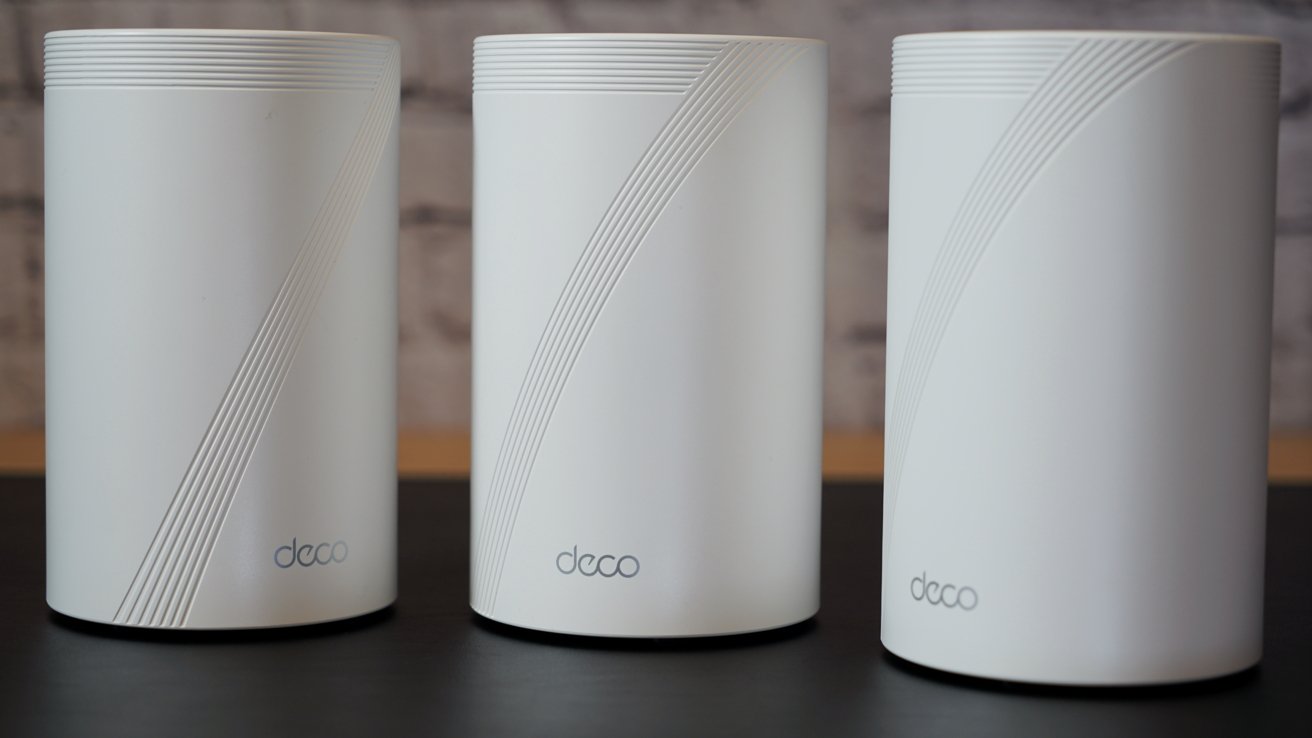
In a decisive move to bolster national security, the Federal Communications Commission (FCC) has announced a ban on the importation of all new foreign-manufactured consumer routers. This action comes in response to mounting apprehensions regarding potential cyber threats and espionage activities linked to foreign-produced networking equipment.
Background and Rationale
The proliferation of foreign-made routers in the U.S. market has been significant, with Chinese brands capturing over 65% of the consumer router market share during the COVID-19 pandemic. This surge has raised alarms among U.S. regulators about the potential for these devices to be exploited for unauthorized data access, surveillance, and the establishment of botnets that could disrupt critical infrastructure.
The FCC’s decision aligns with a series of measures aimed at safeguarding the nation’s communications networks. Previously, the FCC had expanded its Covered List to include foreign-made drones and critical components, effectively banning their importation due to similar security concerns. This latest action extends those protective measures to consumer networking devices, reflecting a comprehensive approach to national cybersecurity.
Implications for Manufacturers and Consumers
The ban specifically targets new models of foreign-made consumer routers, prohibiting their importation, marketing, and sale within the United States. Existing models that have already received FCC equipment authorization are not affected by this ban and may continue to be sold and used. This distinction aims to minimize immediate disruption for consumers while preventing potential security risks associated with new, unvetted devices entering the market.
U.S.-based router manufacturers, such as Netgear, have expressed support for the FCC’s decision, viewing it as a necessary step to protect consumers and national security interests. The ban is also seen as an opportunity to revitalize domestic production and innovation in the networking equipment sector.
Regulatory Framework and Future Considerations
The FCC’s authority to implement such bans is grounded in the Secure Equipment Act of 2021, which mandates the Commission to prohibit the authorization of radio frequency devices that pose a national security risk. Under this legislation, the FCC maintains a Covered List of equipment and services deemed to present unacceptable risks to national security. The inclusion of foreign-made consumer routers on this list underscores the government’s commitment to proactively addressing potential vulnerabilities in the nation’s communications infrastructure.
Looking ahead, the FCC has indicated that it will continue to monitor the landscape of consumer networking equipment and may update the Covered List as new information becomes available. Manufacturers seeking to introduce new models into the U.S. market will be required to demonstrate that their products do not pose security risks, potentially through enhanced vetting processes or by establishing manufacturing operations within the United States.
Consumer Guidance
For consumers, the immediate impact of the ban is expected to be minimal, as existing authorized models remain available for purchase and use. However, consumers are encouraged to stay informed about the devices they use to connect to the internet and to prioritize security features when selecting networking equipment. The FCC recommends that consumers regularly update their router firmware, change default passwords, and be vigilant about potential security threats.
Conclusion
The FCC’s ban on the importation of new foreign-made consumer routers represents a significant step in the ongoing effort to secure the United States’ communications networks from potential foreign threats. By proactively addressing vulnerabilities associated with foreign-manufactured networking equipment, the FCC aims to protect consumers, businesses, and critical infrastructure from cyber threats and espionage activities.