FBI Alerts: Russian Hackers Exploit Signal and WhatsApp in Widespread Phishing Attacks
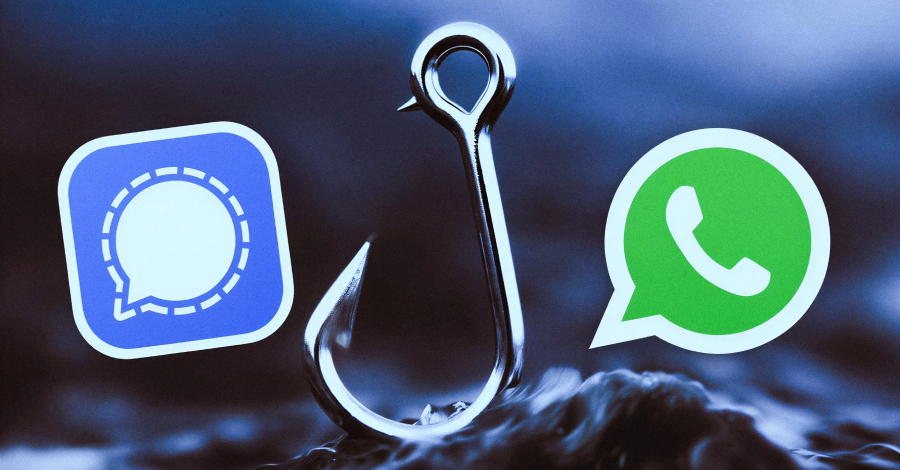
The U.S. Cybersecurity and Infrastructure Security Agency (CISA) and the Federal Bureau of Investigation (FBI) have issued a joint advisory highlighting a sophisticated phishing campaign orchestrated by threat actors linked to Russian Intelligence Services. These cyber adversaries are targeting commercial messaging applications (CMAs) such as WhatsApp and Signal to gain unauthorized access to accounts belonging to individuals of significant intelligence value.
Targeted Individuals and Scope of the Attack
The campaign primarily focuses on high-profile individuals, including current and former U.S. government officials, military personnel, political figures, and journalists. FBI Director Kash Patel emphasized the gravity of the situation, stating, The campaign targets individuals of high intelligence value… Globally, this effort has resulted in unauthorized access to thousands of individual accounts. Once access is obtained, attackers can view messages, access contact lists, impersonate the victim by sending messages, and initiate further phishing attacks leveraging the victim’s trusted identity.
Methodology of the Phishing Campaign
The attackers employ social engineering tactics without exploiting any inherent vulnerabilities in the messaging platforms’ encryption protocols. The primary methods include:
1. Impersonation of Support Services: Attackers pose as Signal Support or similar entities, contacting targets and urging them to provide a PIN or verification code received via SMS.
2. Malicious Links and QR Codes: Victims are prompted to click on a link or scan a QR code, which facilitates unauthorized access to their accounts.
Depending on the method used, the outcomes for the victim vary:
– Provision of PIN/Verification Code: The attacker uses the provided information to register the victim’s account on a device they control, leading to the victim losing access. While past messages remain inaccessible to the attacker, they can monitor new communications and impersonate the victim.
– Clicking Links/Scanning QR Codes: This action links the victim’s account to the attacker’s device, granting access to all messages, including historical ones. The victim retains access to their account, often unaware of the breach.
Global Implications and Previous Incidents
This campaign is not isolated. Similar attacks have been reported globally:
– Germany and the Netherlands: Cybersecurity agencies have observed adversaries posing as Signal Support to deceive targets into providing access credentials.
– France: The Cyber Crisis Coordination Center (C4) warned of increased attacks targeting instant messaging accounts of government officials, journalists, and business leaders.
These incidents underscore a concerted effort by state-sponsored actors to infiltrate secure communication channels worldwide.
Recommendations for Users
To mitigate the risk of such phishing attacks, users are advised to:
– Never Share Verification Codes or PINs: Legitimate support services will never request these details.
– Be Cautious of Unsolicited Messages: Avoid clicking on links or scanning QR codes from unknown or unverified sources.
– Enable Two-Factor Authentication (2FA): This adds an extra layer of security to accounts.
– Regularly Review Linked Devices: Periodically check and manage devices linked to your account to ensure no unauthorized access.
Conclusion
The recent advisory from CISA and the FBI highlights the evolving tactics of Russian state-sponsored cyber actors targeting secure messaging platforms. By understanding these methods and implementing recommended security practices, individuals can better protect themselves against such sophisticated phishing campaigns.