Fake CAPTCHA ‘ClickFix’ Attacks: A New Threat to Enterprise Security
A sophisticated cyberattack campaign, known as ClickFix, has emerged, posing a significant threat to enterprise networks worldwide. This deceptive strategy manipulates users into executing malicious code under the guise of resolving fabricated technical issues, leading to widespread organizational compromises.
The Deceptive Tactic
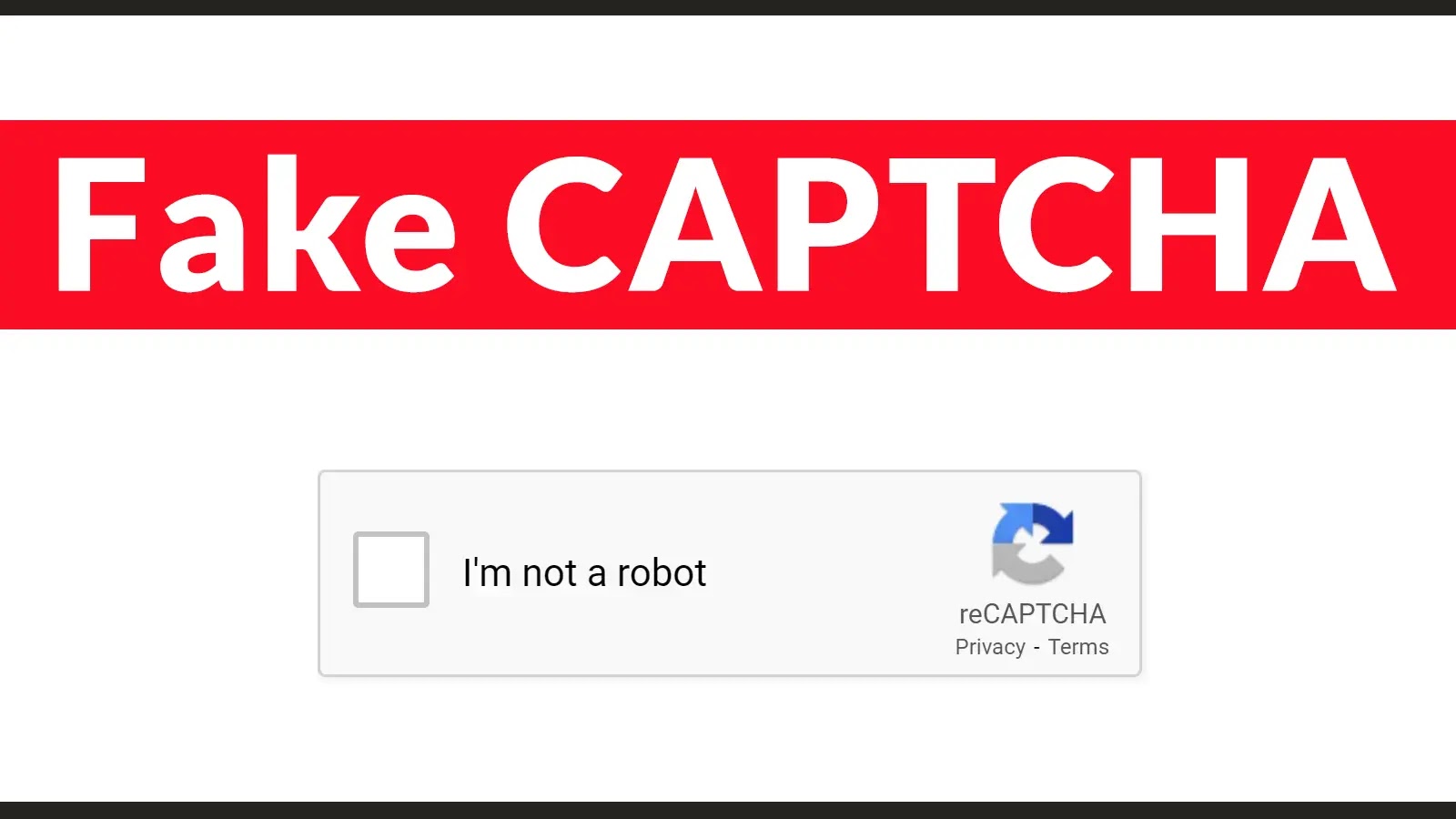
In these attacks, users visiting compromised websites encounter counterfeit CAPTCHA or error verification prompts that closely mimic legitimate interfaces of popular applications like Google Chrome or Microsoft Word. These prompts instruct users to fix a non-existent issue by copying a specific PowerShell script and executing it manually via the Windows Run dialog (Win+R). This method effectively bypasses standard browser security measures and automated download filters by relying on user-initiated actions.
Case Study: A Polish Organization’s Compromise
A recent incident involving a large Polish organization illustrates the severity of this threat. An employee, deceived by a fake CAPTCHA prompt, executed the provided PowerShell script, inadvertently initiating a malware infection chain. This action led to the deployment of secondary payloads, such as the Latrodectus and Supper malware families, facilitating data exfiltration, lateral movement within the network, and potential ransomware deployment. The attackers exploited the infected machine to proxy traffic, stealthily mapping the internal network and identifying critical assets for encryption or theft.
Infection Mechanism and Evasion Tactics
The malware employs advanced evasion techniques, primarily utilizing DLL side-loading to conceal its presence. In the analyzed incident, attackers placed a legitimate igfxSDK.exe executable alongside a malicious wtsapi32.dll file in the %APPDATA%\Intel directory. When the legitimate application launches, it automatically loads the malicious library, allowing the code to execute within the context of a trusted process. This technique effectively hides the malicious activity from many basic endpoint detection solutions.
Furthermore, the identified Latrodectus variant utilizes significant anti-analysis mechanisms. It performs NTDLL unhooking to remove monitoring hooks placed by antivirus software, blinding security tools to its activities. The malware also checks for sandbox environments and refuses to execute if launched by standard system tools like rundll32.exe.
Recommendations for Mitigation
To defend against such sophisticated attacks, organizations should implement the following measures:
– User Education: Train employees to recognize and avoid executing scripts from unverified sources, especially those presented as solutions to technical issues.
– Script Execution Policies: Enforce strict policies that block the execution of unverified scripts and monitor for unusual PowerShell activity.
– Endpoint Detection and Response (EDR): Deploy advanced EDR solutions capable of detecting and responding to sophisticated evasion techniques employed by modern malware.
– Network Monitoring: Implement robust network monitoring to detect and block communications with known Command and Control (C2) servers associated with malware families like Supper and Latrodectus.
By adopting these proactive measures, organizations can enhance their resilience against the evolving threat landscape posed by deceptive tactics like the ClickFix attack chain.