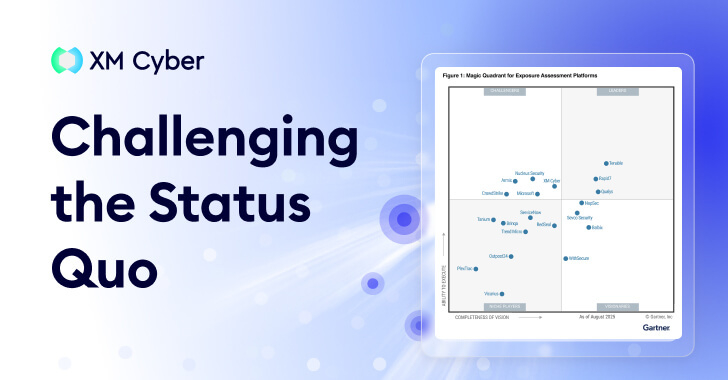
Revolutionizing Cybersecurity: The Rise of Exposure Assessment Platforms
In the ever-evolving landscape of cybersecurity, traditional vulnerability management (VM) approaches are increasingly proving inadequate. The sheer volume of vulnerabilities, coupled with the complexity of modern IT environments, has led to a paradigm shift towards Exposure Assessment Platforms (EAPs). This transition signifies a move from merely cataloging vulnerabilities to comprehensively understanding and mitigating actual exposure risks.
The Limitations of Traditional Vulnerability Management
Historically, VM tools have focused on identifying and listing vulnerabilities within an organization’s infrastructure. While this approach provides a broad overview, it often results in an overwhelming number of alerts, many of which may not pose immediate threats. This deluge of information can lead to alert fatigue among security teams, causing critical vulnerabilities to be overlooked.
Moreover, traditional VM lacks the contextual analysis necessary to prioritize vulnerabilities effectively. Without understanding how a particular vulnerability interacts with other system components or how it could be exploited in a real-world scenario, organizations may misallocate resources, addressing less critical issues while leaving significant threats unmitigated.
The Emergence of Exposure Assessment Platforms
Exposure Assessment Platforms address these shortcomings by offering a holistic view of an organization’s security posture. Instead of merely listing vulnerabilities, EAPs analyze how these vulnerabilities interconnect across systems, identities, and configurations to form potential attack paths. This comprehensive approach enables security teams to visualize how an attacker could exploit multiple vulnerabilities in tandem to reach critical assets.
By mapping out these potential attack vectors, EAPs allow organizations to prioritize remediation efforts based on actual risk rather than theoretical severity. This risk-informed prioritization ensures that resources are allocated efficiently, focusing on vulnerabilities that, if exploited, could have the most significant impact on the organization.
Key Features of Exposure Assessment Platforms
Several core capabilities define effective EAPs:
1. Continuous Discovery: EAPs perform ongoing scans of internal networks, cloud environments, and user-facing systems to identify both known and previously untracked assets. This continuous monitoring ensures that organizations have an up-to-date inventory of their digital landscape.
2. Integrated Visibility: By consolidating data across various environments, EAPs provide a unified view of an organization’s security posture. This integration includes on-premises systems, cloud services, and identity management platforms, offering a comprehensive perspective on potential exposures.
3. Risk-Informed Prioritization: EAPs assess the potential impact of vulnerabilities by analyzing how they could be exploited in conjunction with other system components. This analysis allows organizations to prioritize remediation efforts based on the actual risk posed to critical assets.
4. Attack Path Mapping: By simulating potential attack scenarios, EAPs illustrate how an attacker could navigate through interconnected vulnerabilities to reach sensitive data or systems. This visualization aids in understanding the complexity and potential impact of various attack vectors.
The Shift Towards Continuous Threat Exposure Management
The adoption of EAPs aligns with the broader trend towards Continuous Threat Exposure Management (CTEM). CTEM emphasizes the need for ongoing assessment and mitigation of exposure risks, moving away from periodic vulnerability scans to a more dynamic and proactive approach.
This continuous assessment model acknowledges that the threat landscape is constantly evolving. New vulnerabilities emerge regularly, and attackers continually develop novel exploitation techniques. By maintaining an ongoing evaluation of exposure risks, organizations can adapt more swiftly to these changes, enhancing their overall resilience.
The Impact on Security Operations
The integration of EAPs into security operations has several significant implications:
– Enhanced Efficiency: By focusing on vulnerabilities that present actual risks, security teams can allocate their efforts more effectively, reducing time spent on low-impact issues.
– Improved Collaboration: EAPs provide a common framework for understanding exposure risks, facilitating better communication between security teams, IT operations, and executive leadership.
– Proactive Defense: With continuous monitoring and assessment, organizations can identify and address potential exposures before they are exploited, shifting from a reactive to a proactive security posture.
Challenges and Considerations
While EAPs offer numerous benefits, their implementation is not without challenges:
– Integration Complexity: Incorporating EAPs into existing security infrastructures requires careful planning to ensure compatibility and minimize disruption.
– Data Overload: The comprehensive data provided by EAPs can be overwhelming. Organizations must develop strategies to filter and interpret this information effectively.
– Skill Requirements: Utilizing EAPs to their full potential necessitates a skilled workforce capable of understanding complex attack path analyses and implementing appropriate remediation strategies.
The Future of Exposure Assessment
As cyber threats continue to evolve, the role of Exposure Assessment Platforms is likely to expand. Future developments may include:
– Integration with Artificial Intelligence: Leveraging AI to analyze exposure data could enhance the speed and accuracy of risk assessments, enabling more rapid responses to emerging threats.
– Automated Remediation: Developing automated systems that not only identify but also address vulnerabilities could further streamline security operations.
– Enhanced User Education: Providing intuitive interfaces and educational resources can help organizations maximize the benefits of EAPs, ensuring that all stakeholders understand and can act upon exposure assessments.
Conclusion
The transition from traditional vulnerability management to Exposure Assessment Platforms represents a significant evolution in cybersecurity strategy. By focusing on actual exposure risks and providing a comprehensive view of potential attack paths, EAPs enable organizations to prioritize remediation efforts effectively, enhance collaboration, and adopt a proactive security posture. As the threat landscape continues to evolve, embracing these platforms will be crucial for organizations aiming to safeguard their critical assets and maintain operational resilience.