ErrTraffic’s GlitchFix: A New Era of Deceptive Cyber Attacks
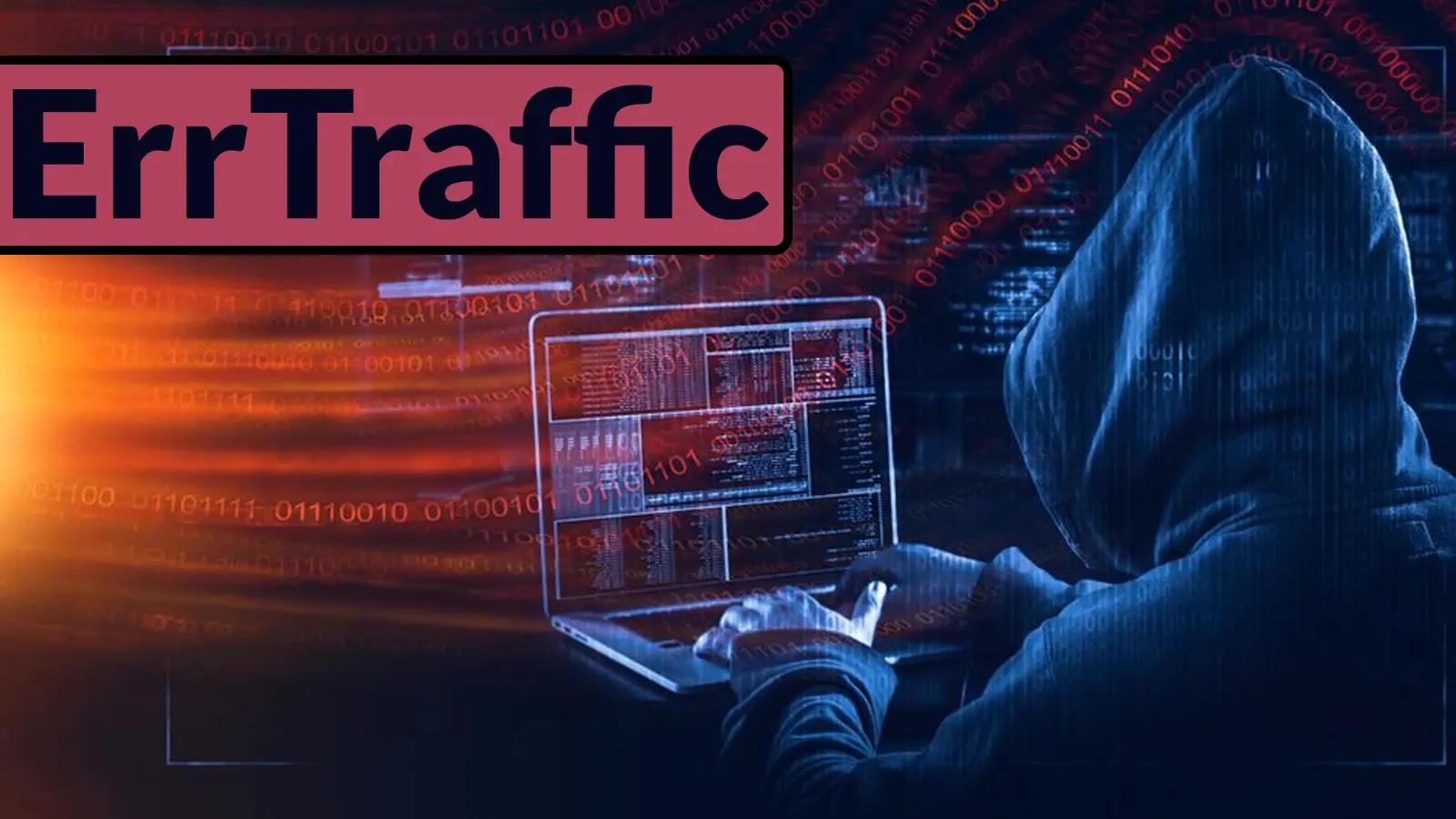
In the ever-evolving landscape of cyber threats, a novel social engineering technique named GlitchFix has surfaced, leveraging a sophisticated tool called ErrTraffic. This traffic distribution system is engineered to deceive website visitors into downloading malware by presenting them with visually corrupted web pages, creating a false sense of urgency to perform system updates.
Understanding ErrTraffic and GlitchFix
ErrTraffic is a specialized platform that enables cybercriminals to orchestrate deceptive campaigns across multiple operating systems, including Windows, macOS, Android, and Linux. Priced at approximately $800, it offers a comprehensive solution for executing these attacks on a global scale, supporting eight languages to maximize its reach.
The GlitchFix technique represents an evolution of traditional ClickFix attacks. By intentionally disrupting the visual integrity of web pages—through scrambled text, distorted layouts, and erratic mouse behaviors—attackers convince users that their browser or system is malfunctioning and requires an immediate update. This manipulation significantly increases the likelihood of users complying with prompts to download malicious software.
Technical Breakdown of the Attack Mechanism
The attack initiates when a user visits a compromised website embedded with malicious JavaScript from the ErrTraffic panel. This script performs an initial assessment of the user’s browser, operating system, and language settings. It also employs geolocation filtering to exclude users from certain regions, notably CIS countries like Russia, Ukraine, and Kazakhstan, suggesting that the perpetrators may be Russian-speaking threat actors.
Once the target is deemed suitable, the script activates chaos mode, where the webpage’s content is transformed into unreadable characters, and the layout is skewed using CSS manipulations. Despite these distortions, a clear and readable modal window appears, prompting the user to perform a browser update or install a missing font.
Upon clicking the update button, the script requests a one-time download token from the control server, ensuring that the payload is delivered only to genuine targets. The system then serves operating system-specific Remote Monitoring and Management (RMM) tools, such as FleetDeck, ITarian MDM, and ConnectWise Control. These tools are often digitally signed and commonly allowlisted by security products, making them particularly insidious.
Implications and Mitigation Strategies
The emergence of GlitchFix underscores the increasing sophistication of social engineering attacks. By exploiting users’ trust and creating a fabricated sense of urgency, attackers can bypass traditional security measures.
To defend against such threats, users and organizations should adopt the following practices:
1. Maintain Vigilance: Be cautious of unexpected prompts for system updates, especially those that appear immediately after visiting a website.
2. Verify Sources: Always download software updates directly from official vendor websites or through trusted update mechanisms.
3. Implement Robust Security Measures: Utilize comprehensive security solutions that can detect and block malicious scripts and unauthorized remote access tools.
4. Educate Users: Regularly train employees and users to recognize and respond appropriately to social engineering attempts.
By staying informed and adopting proactive security practices, individuals and organizations can mitigate the risks posed by advanced social engineering techniques like GlitchFix.