Unveiling Jeffrey Epstein’s Alleged Cyber Operative: A Deep Dive into the 2017 FBI Informant Report
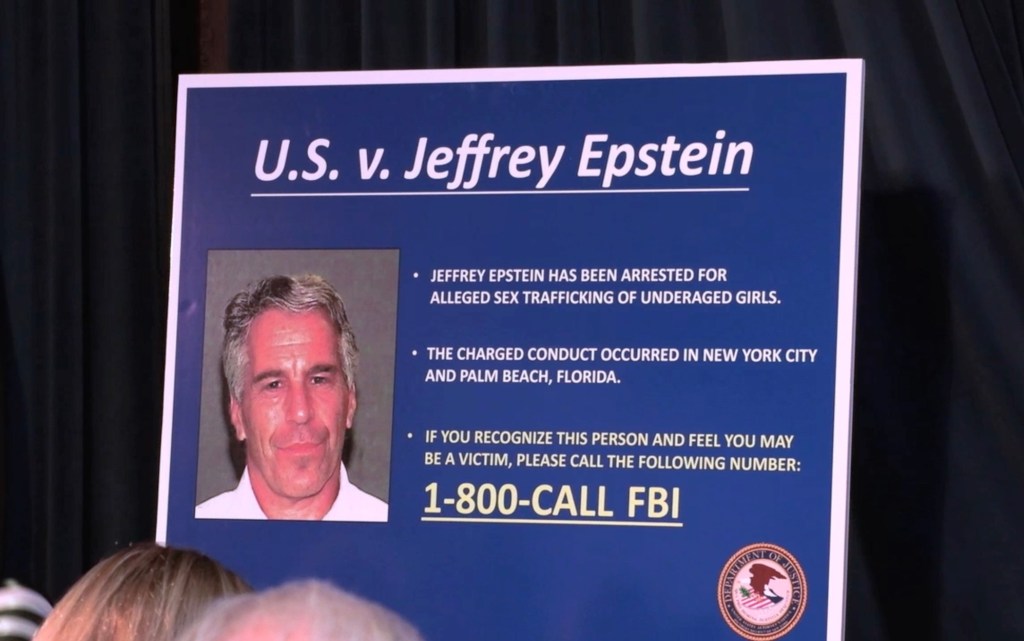
In a recent disclosure by the Department of Justice, a 2017 FBI informant report has surfaced, alleging that the late financier Jeffrey Epstein employed a personal hacker. This revelation adds a new dimension to the complex narrative surrounding Epstein, who was previously convicted of sex offenses and faced numerous allegations before his death in 2019.
The Informant’s Allegations
According to the informant, the hacker in question was an Italian national from Calabria, a region in southern Italy. This individual reportedly specialized in identifying vulnerabilities within various technological platforms, including Apple’s iOS, BlackBerry devices, and the Firefox web browser. Such expertise suggests a deep understanding of both hardware and software systems, enabling the development of sophisticated cyber tools.
Development and Distribution of Cyber Tools
The informant detailed that this hacker was proficient in creating zero-day exploits—previously unknown software vulnerabilities that can be exploited by attackers before the vendor becomes aware and issues a fix. These exploits are highly sought after in both legitimate cybersecurity circles and the black market due to their potential to bypass existing security measures.
The hacker allegedly sold these offensive cyber tools to multiple entities, including:
– An unnamed central African government
– The United Kingdom
– The United States
Of particular concern is the claim that the hacker sold a zero-day exploit to Hezbollah, a Lebanon-based militant group designated as a terrorist organization by several countries. The informant stated that Hezbollah compensated the hacker with a trunk of cash, highlighting the lucrative and clandestine nature of such transactions.
Implications and Unanswered Questions
These allegations, if substantiated, raise significant questions about the extent of Epstein’s involvement in cyber activities and his connections to international cyber operations. The potential sale of cyber tools to both state and non-state actors, including terrorist organizations, underscores the complex and often murky world of cyber warfare and espionage.
However, it’s crucial to approach these claims with caution. The information originates from a single informant and has not been independently verified by the FBI or other authorities. The FBI declined to comment on the matter when approached by TechCrunch, and the Department of Justice has not responded to requests for further information.
Broader Context: Cybersecurity and Illicit Activities
This revelation comes amid a series of high-profile cyber incidents involving various organizations and entities. For instance, in 2018, a hacker hired by the Mexican Sinaloa drug cartel reportedly spied on the U.S. Embassy in Mexico City, aiming to identify individuals of interest for the cartel. The hacker allegedly accessed mobile phone data and surveillance systems to track and intimidate potential informants.
Similarly, in 2025, data broker giant LexisNexis disclosed a data breach affecting over 364,000 individuals. The breach involved unauthorized access to sensitive personal information, including names, dates of birth, and Social Security numbers.
These incidents highlight the growing intersection between cyber capabilities and illicit activities, emphasizing the need for robust cybersecurity measures and international cooperation to combat cyber threats.
Conclusion
The allegations of Jeffrey Epstein employing a personal hacker to develop and distribute cyber tools to various entities, including a terrorist organization, add a new layer of complexity to his already controversial legacy. While these claims remain unverified, they underscore the potential for individuals with significant resources to engage in and influence cyber activities on a global scale. As the digital landscape continues to evolve, understanding and addressing such threats becomes increasingly critical for national and international security.