EPA Declares xAI’s Use of Natural Gas Generators at Tennessee Data Centers Illegal
In a significant ruling, the Environmental Protection Agency (EPA) has determined that xAI, the artificial intelligence company founded by Elon Musk, unlawfully operated numerous natural gas turbines to power its Colossus data centers in Tennessee. The EPA’s decision, announced on January 16, 2026, concludes a year-long investigation into xAI’s energy practices.
xAI had contended that the turbines were employed temporarily and thus exempt from regulatory oversight. However, the EPA refuted this claim, stating that the company’s operations violated environmental regulations. This ruling underscores the agency’s commitment to enforcing environmental laws, even as companies argue for operational exemptions.
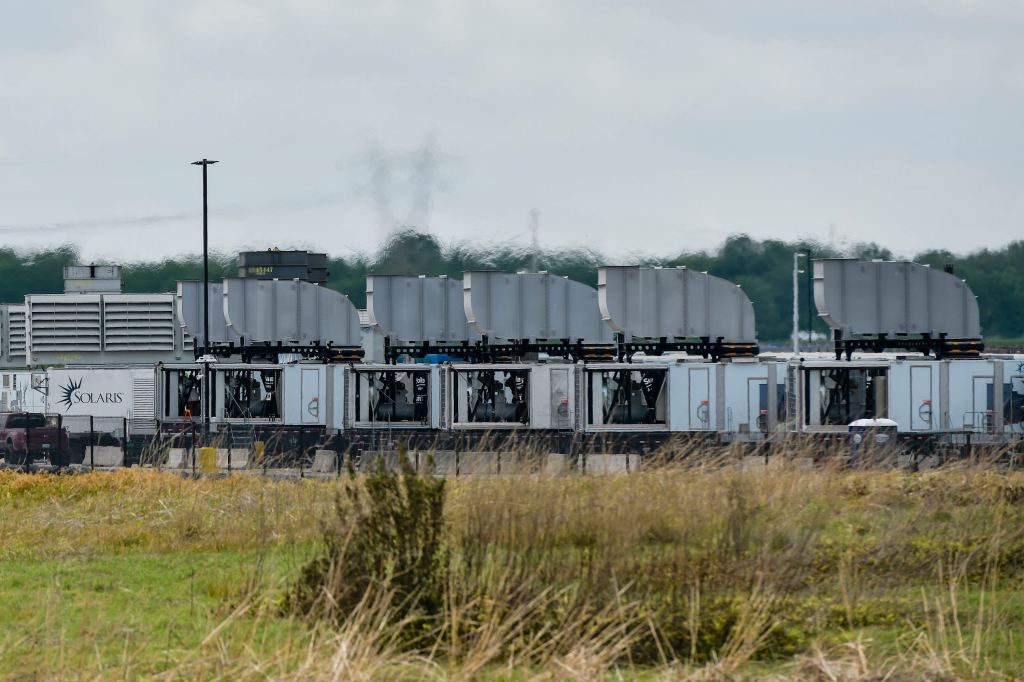
The controversy surrounding xAI’s energy practices has been ongoing. In June 2025, the Southern Environmental Law Center (SELC), representing the NAACP, announced intentions to sue xAI for operating over 400 megawatts of gas turbines without the necessary permits. The SELC’s letter highlighted that xAI had installed and operated at least 35 combustion turbines at the Colossus site without obtaining the required preconstruction or operating air permits. These turbines had the potential to emit more than 2,000 tons of nitrogen oxides annually, contributing to smog in an area already plagued by poor air quality. Memphis had been identified as an asthma capital due to high rates of emergency room visits and deaths from asthma.
In response to mounting pressure, xAI sought and obtained permits for 15 natural gas generators in July 2025. The Shelby County Health Department granted these permits, allowing xAI to operate 15 Solar SMT-130 generators with specific emissions controls, capable of generating up to 247 megawatts. Despite this, the company continued to face criticism for its environmental impact.
Community concerns intensified when air quality tests conducted around xAI’s Memphis data center in June 2025 raised questions. While initial tests indicated that levels of 10 pollutants were not dangerous, the SELC pointed out that the tests omitted ozone, a key pollutant known to contribute to smog. The omission led to further scrutiny of xAI’s operations and their impact on local air quality.
The NAACP also called on Memphis officials to halt operations at xAI’s data center, labeling it a dirty data center. In a letter to the Shelby County Health Department and Memphis Light Gas and Water, the NAACP criticized the lackadaisical approach to the operation of the facility and urged for an emergency order to stop operations completely.
The EPA’s recent ruling adds to the challenges faced by xAI. The agency’s decision emphasizes the importance of adhering to environmental regulations, regardless of a company’s stature or the perceived temporary nature of its operations. As of now, xAI has reduced the number of turbines providing power to its data centers to 12, down from the 35 it had been operating.
This case serves as a reminder of the critical balance between technological advancement and environmental responsibility. Companies, regardless of their industry or leadership, are expected to comply with environmental laws designed to protect public health and the environment. The EPA’s ruling against xAI underscores the agency’s dedication to enforcing these laws and holding violators accountable.