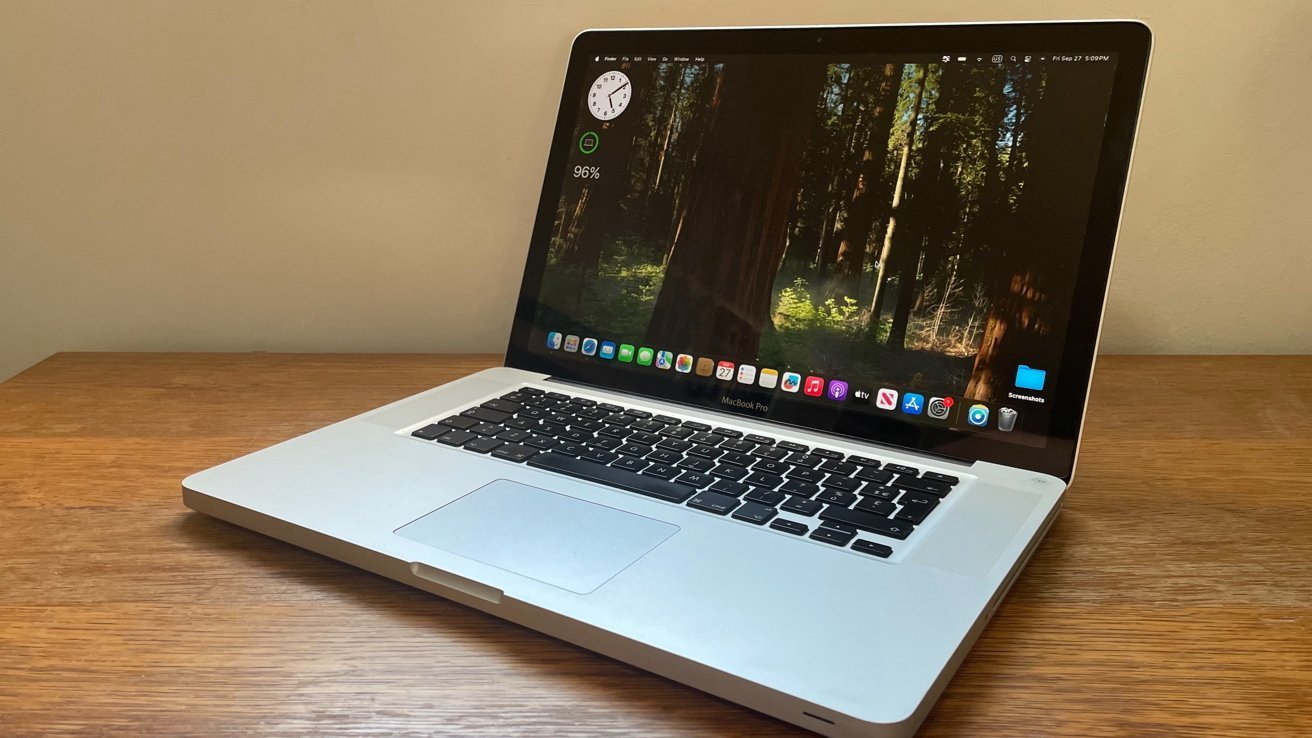
OpenCore Legacy Patcher’s Future in Jeopardy as Intel Mac Support Nears End
The OpenCore Legacy Patcher (OCLP), a tool that has enabled users to install newer macOS versions on unsupported Intel-based Macs, is facing an uncertain future. The development team has recently ceased accepting donations, signaling potential challenges ahead.
Apple’s transition from Intel processors to its proprietary Apple Silicon chips has been underway since 2020. This shift has led to a gradual phasing out of support for Intel-based Macs. Notably, during the Worldwide Developers Conference (WWDC) in 2025, Apple announced that macOS 26 Tahoe would be the final version to support Intel Macs. This decision has significant implications for users of older Mac models and the communities that support them.
OCLP has been instrumental for users wishing to run newer macOS versions on hardware that Apple no longer officially supports. By leveraging OCLP, many have extended the lifespan of their devices, accessing features and security updates beyond Apple’s intended support window. For instance, in October 2023, OCLP version 1.0.0 was released, enabling macOS Sonoma to run on 83 unsupported Mac models. This development was particularly beneficial for users of older Macs who wanted to experience the latest macOS features without investing in new hardware.
However, with Apple’s announcement that macOS Tahoe will be the last version to support Intel Macs, the relevance and functionality of OCLP are under threat. The cessation of donations suggests that the development team anticipates a decline in the tool’s utility and user base. This move has raised concerns within the community about the sustainability of running newer macOS versions on older hardware.
The broader implications of Apple’s transition to Apple Silicon are evident in various facets of the Mac ecosystem. For example, certain features in macOS Sonoma are exclusive to Apple Silicon Macs, leaving Intel-based machines without functionalities like Presenter Overlay, which utilizes the Neural Engine’s capabilities. Additionally, third-party software support is also shifting; Google announced that its Chrome browser would no longer support macOS 12 Monterey starting July 2026, requiring users to upgrade to macOS 13 Ventura or newer.
For users of older Intel-based Macs, these developments present a dilemma. While tools like OCLP have provided a means to extend the usability of their devices, the impending end of Intel Mac support in macOS Tahoe suggests that such solutions may no longer be viable. This situation underscores the challenges faced by users who wish to maintain up-to-date software on aging hardware.
In conclusion, the OpenCore Legacy Patcher has been a valuable resource for the Mac community, enabling users to breathe new life into older machines. However, with Apple’s clear trajectory towards phasing out Intel support, the future of tools like OCLP is uncertain. Users of older Macs must now consider alternative solutions, such as upgrading to newer hardware, to ensure continued access to the latest macOS features and security updates.