Elon Musk Seeks Up to $134 Billion in OpenAI Lawsuit Amidst $700 Billion Fortune
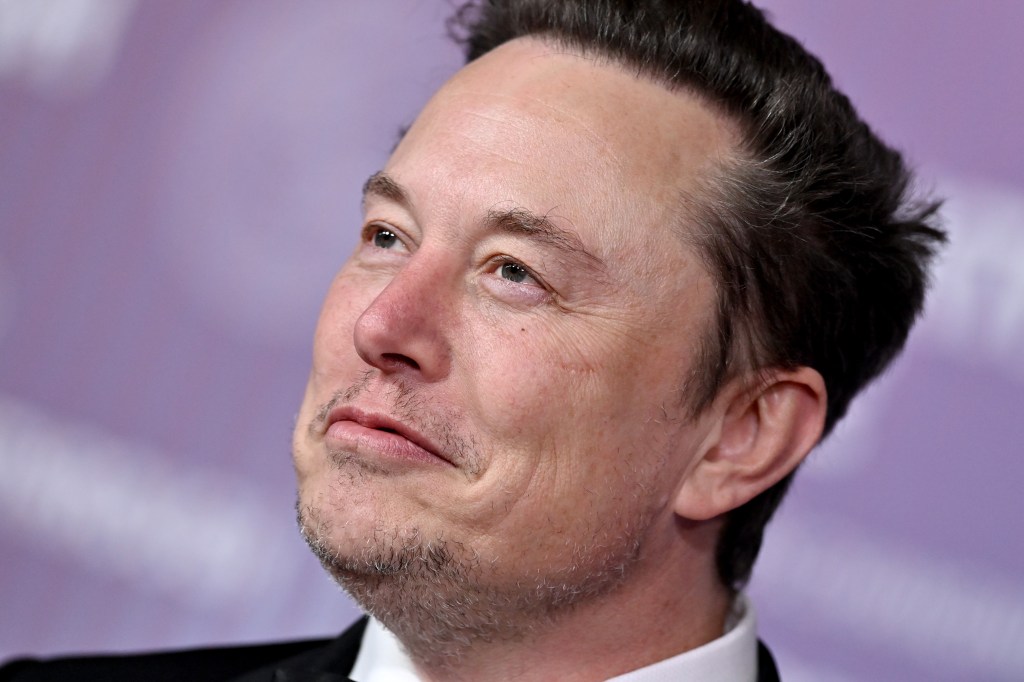
Elon Musk, the billionaire entrepreneur and co-founder of OpenAI, has initiated a lawsuit seeking damages ranging from $79 billion to $134 billion from OpenAI and its strategic partner, Microsoft. Musk alleges that OpenAI has deviated from its original nonprofit mission, effectively defrauding him and other early supporters. This claim was first reported by Bloomberg.
The substantial damages figure is based on an analysis by C. Paul Wazzan, a financial economist with extensive experience in complex commercial litigation. Wazzan’s assessment suggests that Musk is entitled to a significant portion of OpenAI’s current valuation, which stands at approximately $500 billion. This valuation is linked to Musk’s initial seed donation of $38 million when he co-founded OpenAI in 2015, implying a return on investment exceeding 3,500 times.
Wazzan’s evaluation considers not only Musk’s financial contributions but also his technical expertise and business acumen provided during OpenAI’s formative years. The analysis estimates that OpenAI has accrued wrongful gains between $65.5 billion and $109.4 billion, while Microsoft’s share is calculated to be between $13.3 billion and $25.1 billion. Microsoft currently holds a 27% stake in OpenAI.
Musk’s legal team contends that, as an early investor, he should receive compensation reflecting returns many orders of magnitude greater than his initial investment. However, the magnitude of the damages sought suggests that the lawsuit may be driven by factors beyond financial restitution.
As of January 2026, Musk’s personal fortune is estimated at around $700 billion, solidifying his position as the world’s wealthiest individual. According to Forbes’ billionaires list, his wealth surpasses that of Google co-founder Larry Page, the second-richest person, by approximately $500 billion. In November, Tesla shareholders approved a $1 trillion compensation package for Musk, marking the largest corporate pay package in history.
Given this financial backdrop, a potential $134 billion payout from OpenAI would constitute a relatively modest addition to Musk’s wealth. This context supports OpenAI’s characterization of the lawsuit as part of an ongoing pattern of harassment rather than a legitimate financial grievance. OpenAI has reportedly communicated to its investors and business partners, cautioning that Musk may make deliberately outlandish, attention-grabbing claims as the lawsuit progresses toward trial in April. The case is scheduled to be heard in Oakland, California, approximately 15 miles east of San Francisco.
Background and Context:
OpenAI was established in 2015 as a nonprofit research organization with the mission to develop artificial intelligence (AI) technologies that benefit humanity. Musk, along with other tech luminaries, co-founded the organization, contributing significant financial resources and expertise. The initial vision emphasized open-source principles and a commitment to preventing AI from being dominated by a few large corporations.
However, in recent years, OpenAI has transitioned to a capped-profit model, creating a for-profit subsidiary to attract necessary funding and talent for scaling its operations. This shift has been a point of contention for Musk, who argues that it represents a departure from OpenAI’s founding principles. In March 2024, Musk filed a lawsuit against OpenAI and its CEO, Sam Altman, alleging that the organization had abandoned its original nonprofit mission in favor of profit-driven objectives.
In response, OpenAI has defended its structural changes, stating that the for-profit model is essential for securing the resources needed to advance its mission. The organization has also highlighted that Musk was aware of and agreed to the eventual shift away from complete transparency as significant progress was made in AGI development.
Legal Proceedings and Developments:
The legal battle between Musk and OpenAI has seen several developments:
– March 2024: Musk filed a lawsuit against OpenAI, alleging a breach of the original nonprofit mission.
– March 2025: A federal judge in Northern California denied Musk’s motion for an injunction to halt OpenAI’s transition into a for-profit entity. However, the court expressed concerns about the conversion and offered an expedited trial to address the disputes.
– February 2025: Musk led a team of investors in submitting a $97.4 billion bid to acquire OpenAI, aiming to realign the organization with its original mission. OpenAI’s board unanimously rejected the offer, stating that the bid was an attempt to disrupt competition.
– April 2025: OpenAI countersued Musk, seeking to enjoin him from further unlawful and unfair action and holding him accountable for damages caused to the organization.
– October 2025: OpenAI completed its recapitalization, finalizing the transition to a for-profit structure nested within a nonprofit foundation. This restructuring was designed to balance the need for funding with the organization’s mission to ensure AGI benefits all of humanity.
– January 2026: The lawsuit filed by Musk is set to go to trial in March, with Musk seeking up to $134 billion in damages.
Implications and Industry Impact:
The outcome of this high-profile legal dispute could have significant implications for the AI industry. It raises critical questions about the governance of AI organizations, the balance between profit motives and ethical considerations, and the responsibilities of founders and early investors. The case also underscores the challenges in maintaining the original mission of nonprofit organizations as they scale and require substantial resources.
As the trial approaches, the tech community and industry stakeholders will be closely monitoring the proceedings, recognizing that the verdict could influence the future trajectory of AI development and the ethical frameworks guiding it.