Article Title: Dutch Court Paves the Way for Major App Store Damages Lawsuit Against Apple
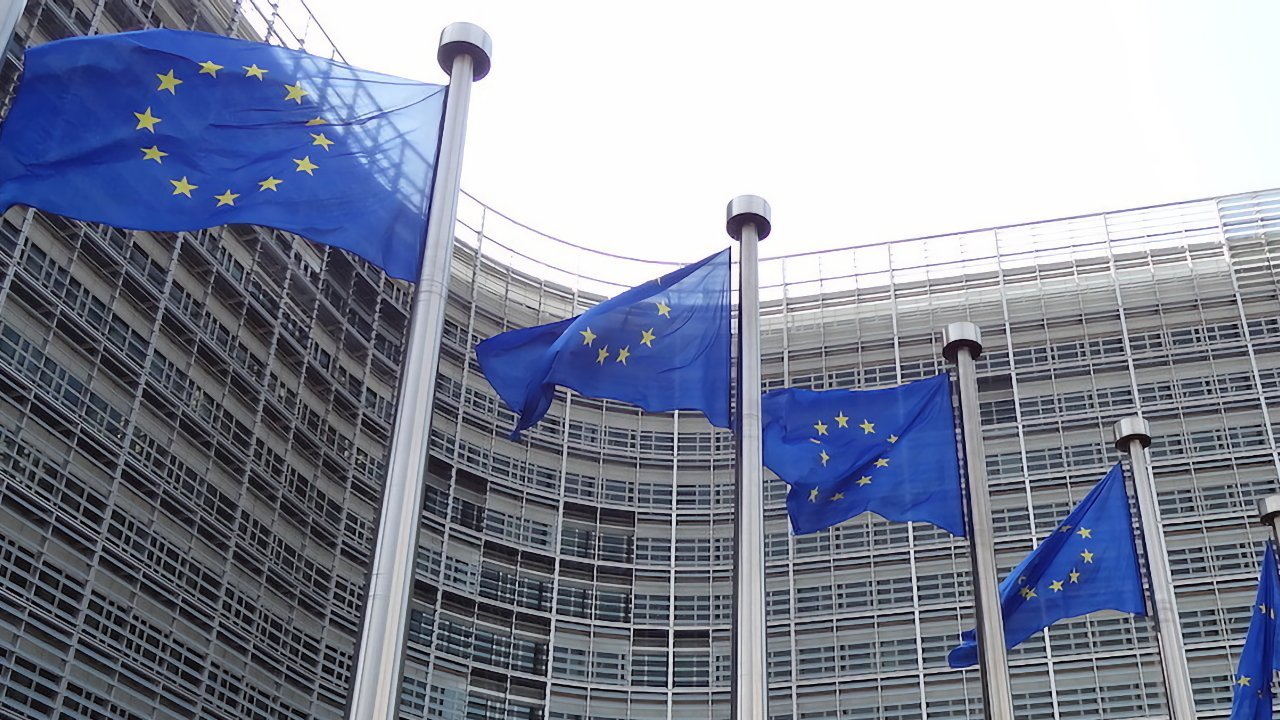
In a landmark decision, the Court of Justice of the European Union (CJEU) has authorized two Dutch consumer organizations to proceed with a significant damages lawsuit against Apple, challenging the company’s App Store fee structure. This ruling dismisses Apple’s contention that Dutch courts lack jurisdiction over the matter.
Background of the Case
The lawsuit, initiated by Stichting Right to Consumer Justice and Stichting App Stores Claims, alleges that Apple’s commission rates for third-party apps are exorbitant and constitute an abuse of its dominant market position. Apple had argued that the Dutch courts were not the appropriate venue for this case, asserting that the alleged infractions did not occur within the Netherlands. However, the CJEU determined that the localized nature of the App Store, tailored specifically for Dutch users—including Dutch-language app listings and transactions with Apple IDs registered in the Netherlands—establishes a clear connection to the country, thereby granting Dutch courts both international and territorial jurisdiction.
Apple’s Defense Strategy and Its Implications
Apple’s defense strategy aimed to delay or relocate the proceedings by challenging the jurisdiction of the Dutch courts. This approach is commonly employed by large technology firms to navigate legal challenges. However, the CJEU’s ruling underscores that the localization of digital platforms can anchor legal cases to specific national jurisdictions. The court emphasized that when a virtual marketplace is designed for a particular territory, any alleged harm occurring within that market is intrinsically linked to that territory.
Broader Impact on Apple and the Tech Industry
This decision arrives at a time when Apple’s App Store practices are under intense scrutiny across multiple jurisdictions. In the Netherlands, Apple has previously faced regulatory actions, including fines totaling approximately $58 million for imposing unfair conditions on dating apps within the App Store. The Rotterdam District Court upheld these fines, affirming that Apple had abused its market power by restricting third-party payment options for dating apps.
The Dutch ruling sets a precedent that could facilitate similar claims throughout Europe. It signals that consumer groups in other countries may have a more straightforward path to pursue damages if they can demonstrate that a platform’s localized operations have caused harm within their national markets. This development is particularly significant in light of the European Union’s Digital Markets Act, which seeks to ensure fair access and alternative payment options within digital platforms.
The Role of Private Organizations in Antitrust Actions
The CJEU’s decision also highlights the growing role of private organizations in enforcing antitrust laws. By allowing consumer groups to seek compensation for alleged anti-competitive practices, the ruling complements public regulatory efforts and empowers consumers to hold dominant platforms accountable. This dual approach of public enforcement and private litigation increases the pressure on companies like Apple to adhere to fair competition practices.
Next Steps in the Dutch Lawsuit
With the jurisdictional hurdle cleared, the lawsuit will now proceed in Dutch courts, where judges will assess whether Apple’s App Store fees violate competition laws and whether consumers are entitled to compensation. This phase may require Apple to disclose internal information regarding its pricing strategies and fee structures. While Apple has the opportunity to contest the claims on their merits, the company will need to present a robust defense to counter the allegations of anti-competitive behavior.
Conclusion
The CJEU’s ruling marks a significant development in the ongoing scrutiny of Apple’s App Store practices. By affirming the jurisdiction of Dutch courts over the matter, the decision not only paves the way for a substantial damages lawsuit but also sets a precedent that could influence similar cases across Europe. As Apple navigates this legal challenge, the tech industry at large will be closely watching the implications for digital marketplace operations and antitrust enforcement.