DoorDash Bans Driver for Allegedly Using AI to Fake Delivery Confirmation
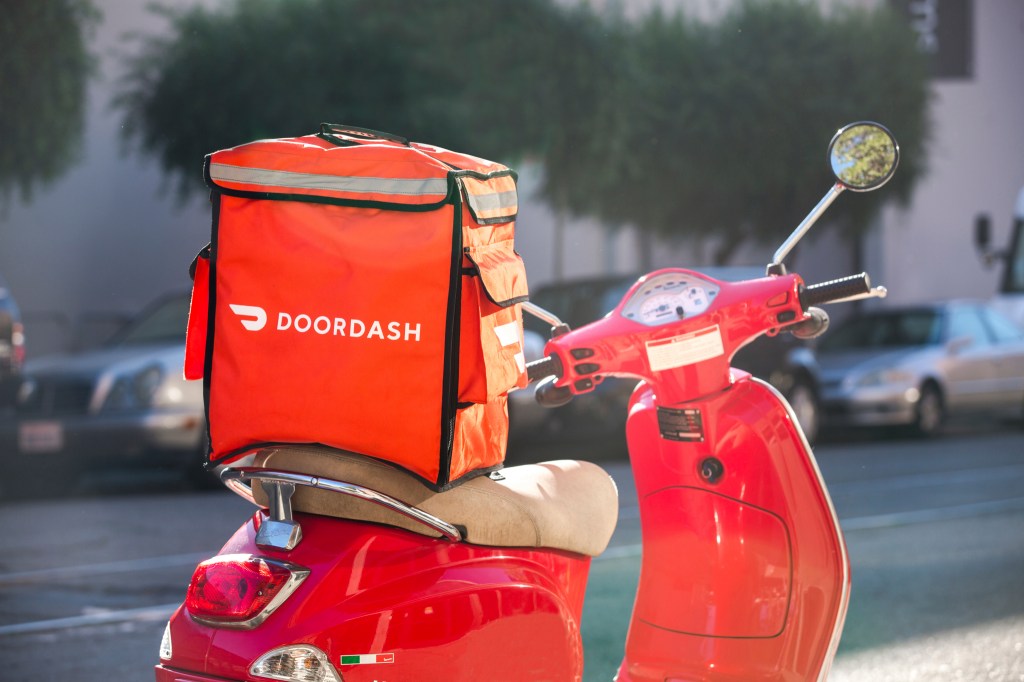
In a recent incident that has sparked widespread discussion, DoorDash has permanently banned a delivery driver accused of using artificial intelligence to falsify a delivery confirmation. This case underscores the growing challenges posed by AI misuse in the gig economy.
The Incident Unfolds
Austin resident Byrne Hobart brought the issue to light through a post on X (formerly Twitter), stating: Amazing. DoorDash driver accepted the drive, immediately marked it as delivered, and submitted an AI-generated image of a DoorDash order (left) at our front door (right). Hobart’s post included a side-by-side comparison of the AI-generated image and his actual front door, highlighting the discrepancies.
As the post gained traction, Hobart provided additional context, acknowledging the potential skepticism: Someone chimed in downthread to say that the same thing happened to him, also in Austin, with the same driver display name. This suggests a pattern of fraudulent behavior by the same individual.
Speculations on the Method
Hobart speculated that the driver might have exploited a compromised account on a jailbroken phone. He suggested that the driver could have accessed images of his front door through a DoorDash feature that displays photos from previous deliveries. By leveraging these images, the driver could have created convincing AI-generated photos to falsely confirm deliveries.
DoorDash’s Response
Upon becoming aware of the incident, DoorDash acted swiftly. A company spokesperson stated, After quickly investigating this incident, our team permanently removed the Dasher’s account and ensured the customer was made whole. We have zero tolerance for fraud and use a combination of technology and human review to detect and prevent bad actors from abusing our platform.
Broader Implications
This incident highlights the potential for AI technologies to be misused within the gig economy. While AI offers numerous benefits, it also presents new avenues for fraudulent activities. Companies like DoorDash must continually adapt their security measures to address these evolving threats.
DoorDash’s Ongoing Efforts
DoorDash has been proactive in implementing safety and security features to protect both customers and delivery personnel. For instance, the company introduced SafeChat+, an AI-powered tool designed to detect and prevent verbal abuse within the app. This feature analyzes in-app conversations to identify offensive language, providing options for reporting incidents and contacting support when necessary.
Additionally, DoorDash has rolled out SafeDash, an in-app security toolkit that connects delivery drivers with ADT agents. This feature allows drivers to initiate safety reassurance calls and, if needed, contact emergency services directly through the app.
The Challenge of AI Misuse
The misuse of AI to commit fraud is a growing concern across various industries. In the context of delivery services, AI-generated images can be used to falsify delivery confirmations, leading to financial losses and eroding customer trust. This incident serves as a reminder of the importance of robust verification processes and the need for continuous monitoring to detect and prevent such fraudulent activities.
Customer Vigilance
Customers are encouraged to remain vigilant and report any suspicious activities. Prompt reporting enables companies to take swift action, as demonstrated in this case. By working together, customers and service providers can help maintain the integrity of the platform and ensure a trustworthy experience for all users.
Conclusion
The case of the DoorDash driver allegedly using AI to fake a delivery confirmation underscores the dual-edged nature of technological advancements. While AI can enhance efficiency and user experience, it also opens the door to new forms of fraud. Companies must stay ahead of these challenges by implementing advanced security measures and fostering a culture of transparency and trust.