David Sacks’ Dual Roles: Navigating the Intersection of Public Service and Private Gain
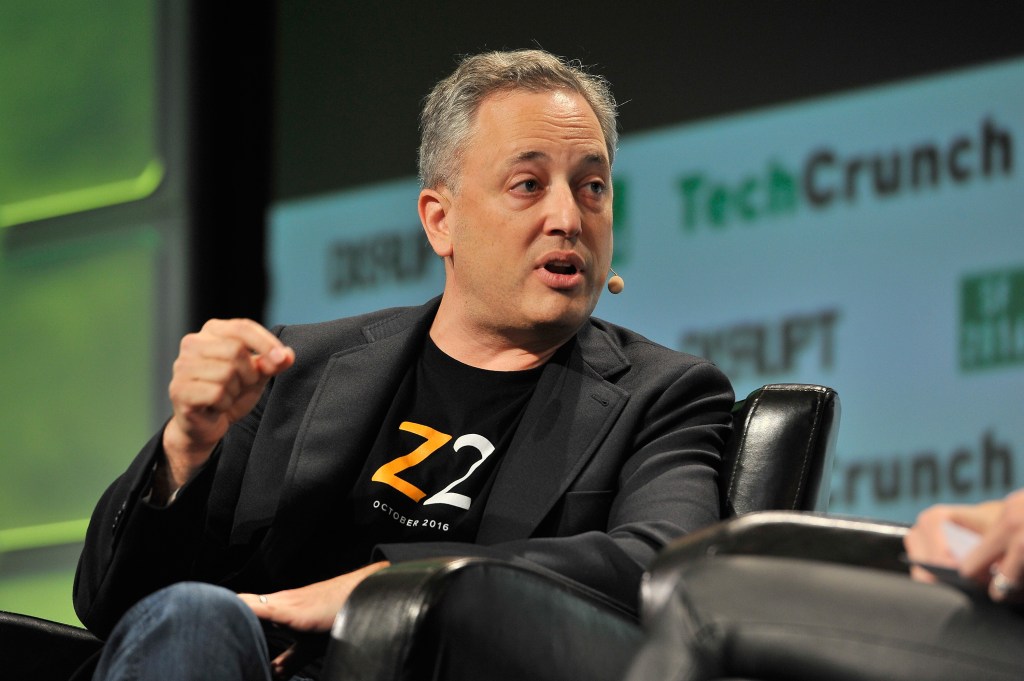
David Sacks, a prominent figure in the tech industry and former COO of PayPal, currently serves as President Donald Trump’s advisor on artificial intelligence (AI) and cryptocurrency. His dual role has sparked discussions about potential conflicts of interest, given his extensive investments in the sectors he now oversees.
A recent report by The New York Times delves into Sacks’ financial disclosures, revealing that out of his 708 tech investments, 449 are in AI companies that could benefit from the policies he advocates. This overlap has raised questions about the impartiality of his policy recommendations.
In response to these allegations, Sacks took to social media platform X, formerly known as Twitter, to express his frustration. He described the report as a nothing burger, asserting that the accusations had been thoroughly debunked during a five-month investigation. He criticized the report for compiling anecdotes that, in his view, failed to substantiate the headline’s claims.
This isn’t the first time Sacks’ dual roles have come under scrutiny. Senator Elizabeth Warren, a Democrat from Massachusetts, previously highlighted the potential conflict, noting that Sacks simultaneously leads a firm invested in cryptocurrency while shaping national crypto policy. She described this as an explicit conflict of interest that would typically be prohibited under federal law.
To address these concerns, Sacks received two White House ethics waivers, committing to divest most of his crypto and AI assets. However, the specifics of these divestitures remain unclear. The New York Times report indicates that his public ethics filings do not disclose the remaining value of his investments or the timelines of the asset sales.
Kathleen Clark, a law professor at Washington University specializing in government ethics, reviewed Sacks’ crypto waiver and described the situation as graft. She emphasized the need for transparency and accountability in such high-profile roles.
Further complicating the narrative, the report points out that Sacks’ financial filings categorize numerous investments as hardware or software, even though the companies market themselves as AI businesses. This discrepancy raises questions about the accuracy and transparency of his disclosures.
An example of Sacks’ intertwined interests is the White House summit in July, where President Trump unveiled his AI roadmap. Reports suggest that White House Chief of Staff Susie Wiles intervened to prevent the All-In podcast, co-hosted by Sacks, from being the sole host of the event. Additionally, the podcast reportedly sought $1 million from potential sponsors for access to a private reception and other events, further blurring the lines between Sacks’ public duties and private ventures.
The report also highlights Sacks’ growing relationship with Nvidia CEO Jensen Huang. Sacks has been instrumental in efforts to lift restrictions on Nvidia chip sales globally, including in China. This move has raised eyebrows, given the potential implications for national security and economic interests.
Critics argue that Sacks’ actions exemplify a broader trend within the administration, where tech industry leaders leverage their government positions for personal and professional gain. Steve Bannon, a right-wing media personality and former Trump advisor, remarked that Sacks represents an administration where the tech bros are out of control.
In defense, Sacks’ spokesperson, Jessica Hoffman, refuted the conflict of interest narrative, stating that Sacks has adhered to all regulations for special government employees. She emphasized that the Office of Government Ethics determined which investments he needed to divest and that his government role has been more of a sacrifice than a benefit.
White House spokesperson Liz Huston echoed this sentiment, describing Sacks as an invaluable asset for President Trump’s agenda of cementing American technology dominance.
Sacks’ legal team also addressed specific allegations from the New York Times report. Regarding the All-In podcast’s involvement in the White House AI event, they clarified that the summit was a not-for-profit event and that the podcast incurred losses hosting it. They stated that two sponsors were brought on to partially offset the event’s costs, receiving only logo placements in return. They emphasized that no access to President Trump was offered, and no VIP reception took place.
The unfolding situation underscores the challenges of balancing public service with private interests, especially in rapidly evolving sectors like AI and cryptocurrency. As Sacks continues in his advisory role, the scrutiny over his investments and policy decisions is likely to persist, highlighting the need for clear ethical guidelines and transparency in government appointments.