In a groundbreaking development, cybersecurity researchers have unveiled Aeternum C2, a botnet loader that leverages blockchain technology to establish a resilient and virtually indestructible command-and-control (C2) infrastructure. This innovative approach marks a significant departure from traditional botnet architectures, presenting formidable challenges for cybersecurity professionals and law enforcement agencies.
The Evolution of Botnet Infrastructure
Historically, dismantling botnets involved identifying and seizing their centralized C2 servers or domains, effectively crippling their operations. This method proved effective against notorious botnets like Emotet, TrickBot, and QakBot. However, Aeternum C2 introduces a paradigm shift by decentralizing its command structure, thereby circumventing traditional takedown strategies.
Blockchain as the Backbone
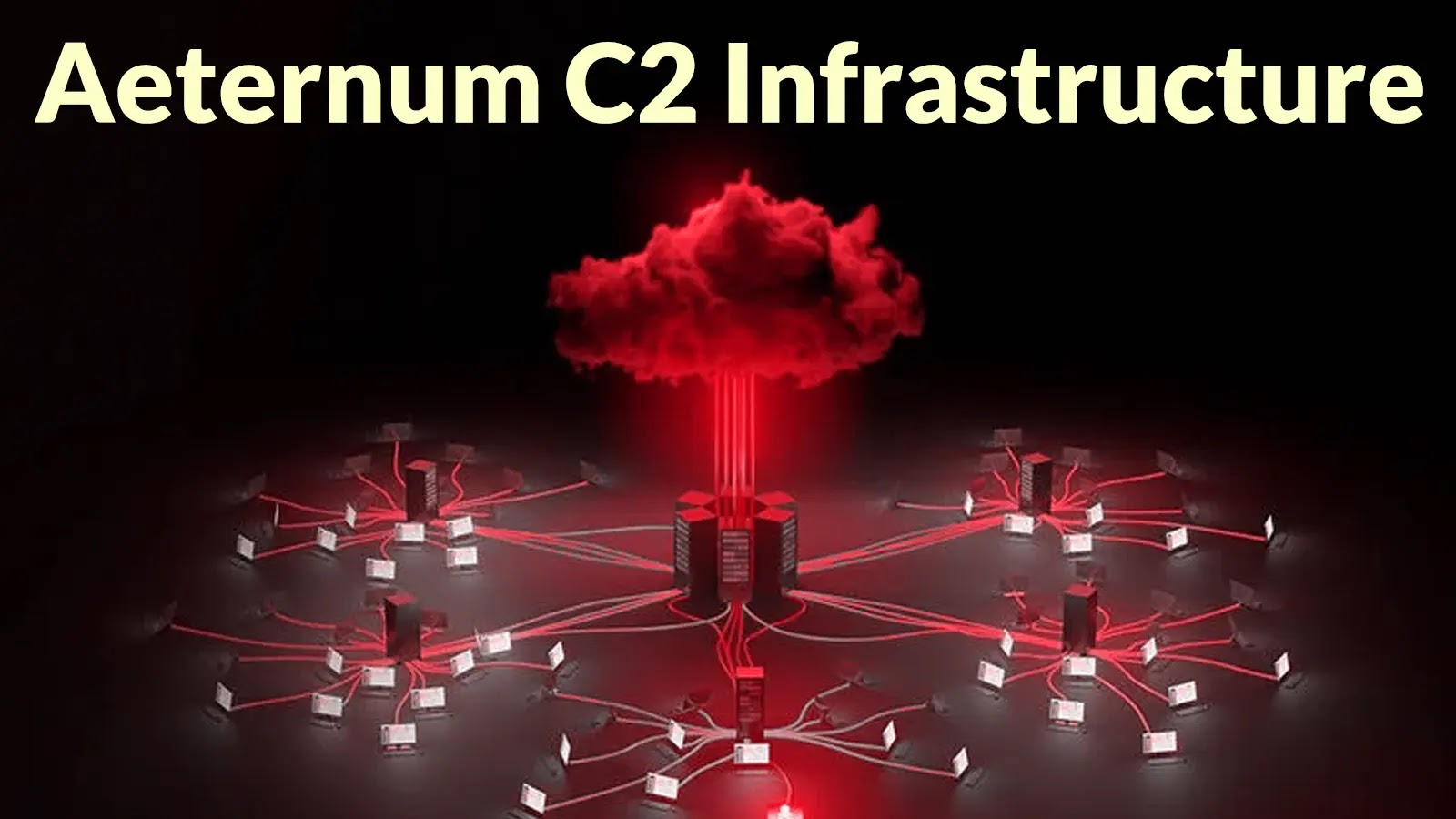
Aeternum C2 operates by embedding its commands within smart contracts on the Polygon blockchain, a public ledger replicated across thousands of nodes globally. This decentralized approach ensures that there is no single point of failure; without a central server or domain to target, the botnet’s infrastructure remains operational regardless of external interventions. This resilience poses a significant challenge to defenders accustomed to infrastructure-based takedown methods.
Technical Insights into Aeternum C2
Developed in native C++, Aeternum C2 is available in both 32-bit and 64-bit versions. Each command issued to infected machines is recorded as a transaction on the Polygon blockchain. Bots retrieve these commands through public remote procedure call (RPC) endpoints, ensuring rapid and consistent updates. According to the developer’s documentation, all active bots receive updates within two to three minutes, outperforming traditional peer-to-peer botnets in terms of speed and reliability.
Operational Mechanics and Cost Efficiency
The botnet is marketed on underground forums, offering options such as a lifetime license with a preconfigured build or full C++ source code with ongoing updates. Operational costs are minimal; approximately $1 worth of MATIC, Polygon’s native token, facilitates 100 to 150 command transactions. With no need for server rentals or domain registrations, maintaining a resilient botnet becomes economically feasible for a broader range of threat actors.
Potential Threats and Implications
Botnets built on this model can operate uninterrupted, facilitating large-scale distributed denial-of-service (DDoS) attacks, credential stuffing, click fraud, proxy-as-a-service abuse, and data theft. Even if infected machines are cleaned, the operator’s smart contracts remain intact on the blockchain, allowing for rapid redeployment without the need to rebuild infrastructure.
Operational Workflow and Evasion Techniques
Operators manage Aeternum C2 through a web-based control panel, selecting smart contracts, command types, and payload URLs before publishing updates to the blockchain. Once confirmed on-chain, commands are immutable, ensuring that only the wallet owner can alter or remove them. The system supports multiple contracts simultaneously, each associated with different functions such as clippers, stealers, remote access tools (RATs), or miners.
To evade detection, Aeternum incorporates anti-virtual machine (VM) detection, preventing execution within virtualized environments commonly used by antivirus vendors and malware analysts. Additionally, it features a built-in antivirus scanner that assesses detection rates across 37 engines, enabling operators to refine their payloads for maximum stealth.
Broader Context: The Rise of Blockchain-Based C2 Infrastructures
Aeternum C2 is not an isolated case; it represents a broader trend of malware leveraging legitimate cloud services and decentralized platforms to establish resilient C2 infrastructures. For instance, the NANOREMOTE malware utilizes the Google Drive API for C2 communications, blending malicious traffic with normal network activity to evade detection. Similarly, other malware strains have exploited services like Microsoft Azure Functions and Telegram for C2 purposes, complicating efforts to identify and mitigate such threats.
Implications for Cybersecurity Defenses
The emergence of blockchain-based C2 infrastructures like Aeternum necessitates a reevaluation of current cybersecurity strategies. Traditional methods focusing on infrastructure takedowns are less effective against decentralized models. Defenders must develop new approaches that address the unique challenges posed by blockchain-based C2 systems, including monitoring blockchain transactions for malicious activity and implementing advanced endpoint detection and response (EDR) solutions capable of identifying and mitigating threats at the device level.
Conclusion
The discovery of Aeternum C2 underscores the evolving landscape of cyber threats, where adversaries continually adapt to circumvent existing defenses. By harnessing the decentralized and immutable nature of blockchain technology, Aeternum establishes a resilient and elusive C2 infrastructure that challenges traditional cybersecurity measures. This development highlights the urgent need for innovative defense mechanisms capable of addressing the complexities introduced by such advanced threat models.