Cybersecurity Expert Vincenzo Iozzo Removed from Black Hat Conference Amid Epstein Links
Vincenzo Iozzo, a prominent figure in the cybersecurity community, has been removed from the official review boards of both the Black Hat and Code Blue conferences. This action follows revelations of his professional associations with the late financier and convicted sex offender Jeffrey Epstein.
As of February 12, 2026, Iozzo’s name no longer appears on the review board pages of Black Hat, a leading cybersecurity conference, or Code Blue, a notable Japanese security conference. Previously, he had been a member of Black Hat’s review board since 2011, according to his LinkedIn profile.
In a statement provided to TechCrunch through his spokesperson, Iozzo expressed his unwillingness to resign voluntarily and welcomed a comprehensive investigation into the matter. Black Hat representatives have not responded to requests for comment.
Iozzo is the founder and CEO of SlashID, a cybersecurity startup. His career includes authoring one of the first manuals for hackers researching Apple’s mobile software. In 2015, he founded IperLane, a cybersecurity startup acquired by CrowdStrike, where he served as a senior director for nearly four years.
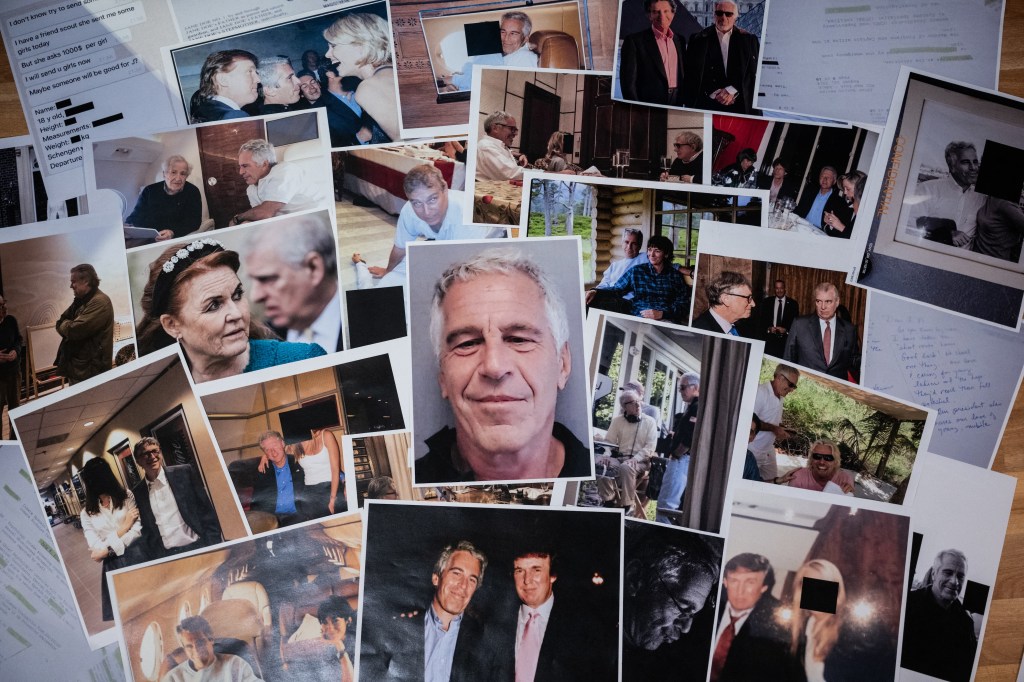
His name appears in over 2,300 documents released by the Department of Justice on January 30, 2026, as part of the investigation into Epstein. These documents include emails indicating interactions between Iozzo and Epstein from October 2014 to December 2018.
Notably, after the Miami Herald published reports in late 2018 detailing allegations against Epstein, emails show that Iozzo sought to meet with Epstein at his New York townhouse.
Among the released materials is a report from an FBI informant alleging that Epstein had a personal hacker. The informant’s report, though redacted, contains details suggesting that Iozzo may have been this individual. Italian newspaper Il Corriere della Sera reported on these emails earlier this month, identifying Iozzo as the likely person referenced in the informant’s document.
It’s important to note that the FBI has not confirmed these claims, and there is no evidence in the emails indicating that Iozzo engaged in any illegal activities for Epstein.
In his statement to TechCrunch, Iozzo acknowledged knowing Epstein for professional reasons and expressed regret over the association. He denied being Epstein’s hacker or performing any hacking activities for him.
We were introduced in 2014 when I was a 25-year-old at MIT fundraising for my startup, by people whom I trusted and admired. Because of this, I failed to ask the right questions that, in retrospect, seem obvious, Iozzo stated through his spokesperson, Joan Vollero. I foolishly accepted the narrative that was presented to me by others that greatly minimized the magnitude of his horrific actions. I regret the past association and take full responsibility for not exercising greater judgment at the time.
He further clarified that his interactions with Epstein were limited to business opportunities that never materialized, as well as discussions about markets and emerging technologies. I never observed nor participated in any illegal activity or behavior, Iozzo added.
Epstein pleaded guilty in 2008 to soliciting sex from underage girls and registered as a sex offender in Florida and New York. In 2018, new reports emerged alleging that Epstein was a serial sex abuser and had trafficked underage girls at his private island. Following these reports, the Justice Department formally charged Epstein in 2019 with trafficking, exploiting, and abusing dozens of underage girls. Epstein later died in jail.
Neither Iozzo’s spokesperson Vollero nor his attorney Emma Spiro provided reasons for his removal from Black Hat’s website but did not dispute the action.
Mr. Iozzo welcomed an independent investigation from Black Hat, rather than a knee-jerk removal decision, because he is confident that he would be cleared through that process, said Vollero.