Cybercriminals Exploit LinkedIn Messages to Deploy Remote Access Trojans via DLL Sideloading
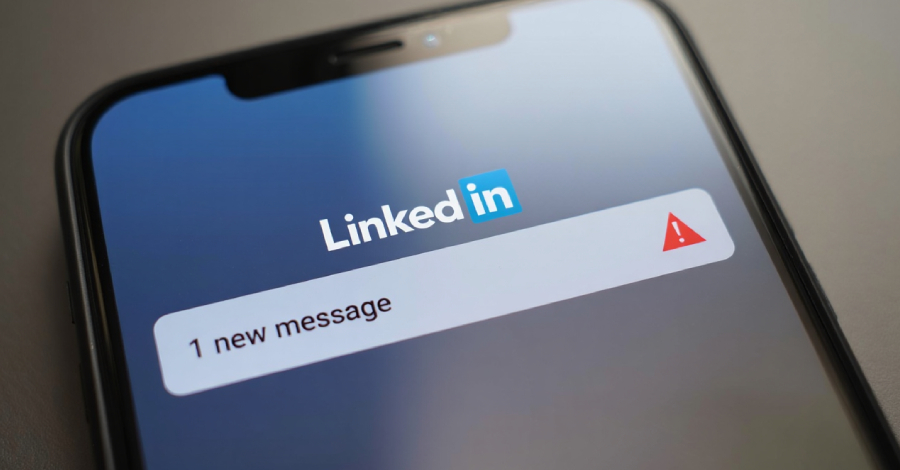
Cybersecurity experts have identified a sophisticated phishing campaign leveraging LinkedIn’s messaging platform to distribute Remote Access Trojans (RATs) through a technique known as Dynamic Link Library (DLL) sideloading. This method involves embedding malicious code within legitimate applications to evade detection.
Attack Methodology
The attackers initiate contact with targeted individuals via LinkedIn messages, often posing as recruiters or potential business partners to establish trust. Once rapport is built, they persuade the victim to download a seemingly harmless WinRAR self-extracting archive (SFX) file. Upon execution, this archive extracts four components:
1. A legitimate open-source PDF reader application.
2. A malicious DLL designed to be sideloaded by the PDF reader.
3. A portable executable (PE) of the Python interpreter.
4. A RAR file that likely serves as a decoy.
The infection process is triggered when the PDF reader is launched, causing the malicious DLL to be sideloaded. This technique allows the malware to operate under the guise of a legitimate process, thereby evading traditional security measures.
Technical Breakdown
Once activated, the malicious DLL performs the following actions:
– Deployment of Python Interpreter: The DLL installs a Python interpreter onto the victim’s system.
– Registry Modification: It creates a Windows Registry Run key to ensure the Python interpreter executes automatically upon each system login, establishing persistence.
– Shellcode Execution: The interpreter runs a Base64-encoded shellcode directly in memory, minimizing forensic traces on the disk.
The final payload establishes communication with an external server, granting attackers continuous remote access to the compromised system and enabling data exfiltration.
Implications and Broader Context
This campaign underscores a growing trend where cybercriminals exploit social media platforms beyond traditional email phishing. By utilizing LinkedIn’s messaging system, attackers can bypass conventional email security filters and reach potential victims directly.
The use of DLL sideloading is not new but has gained popularity due to its effectiveness in evading detection. Recent campaigns have employed similar techniques to distribute various malware families, including LOTUSLITE and PDFSIDER, as well as other commodity trojans and information stealers.
ReliaQuest, the cybersecurity firm that identified this campaign, notes its broad and opportunistic nature, targeting various sectors and regions. The private nature of social media messages makes it challenging to assess the full scale of such attacks.
Historical Precedents
LinkedIn has previously been exploited for malicious activities. Notably, North Korean threat actors have used the platform to contact victims under the guise of job opportunities, convincing them to execute malicious projects as part of supposed assessments. In March 2025, a LinkedIn-themed phishing campaign employed fake InMail notifications to trick recipients into downloading remote desktop software, granting attackers full control over victim systems.
Recommendations for Users and Organizations
To mitigate the risks associated with such sophisticated phishing campaigns, consider the following measures:
– Exercise Caution with Unsolicited Messages: Be wary of unexpected messages, even from seemingly legitimate contacts on professional networks.
– Verify Sender Identities: Before engaging with messages that prompt downloads or sensitive actions, confirm the sender’s authenticity through alternative communication channels.
– Implement Advanced Security Solutions: Utilize security tools capable of detecting and preventing DLL sideloading and other advanced evasion techniques.
– Educate Employees: Regularly train staff on recognizing and responding to social engineering tactics employed on social media platforms.
– Monitor Social Media Interactions: Establish protocols for monitoring and managing communications on professional networking sites to identify and address potential threats promptly.
By adopting these proactive measures, individuals and organizations can enhance their defenses against evolving cyber threats that exploit social media platforms for malicious purposes.