Cybercriminals Exploit Matanbuchus 3.0 to Deploy Ransomware and Maintain System Control
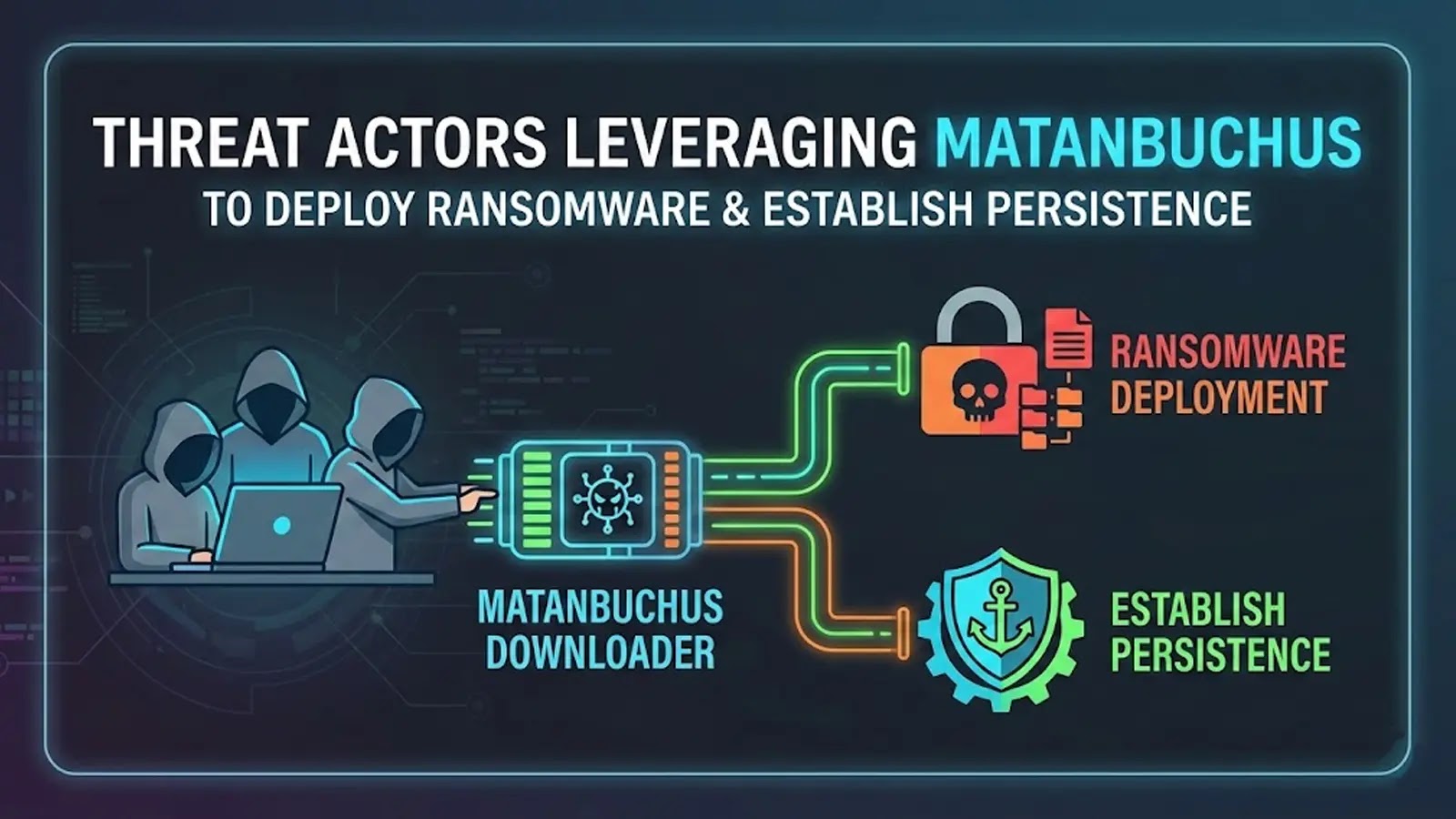
Matanbuchus, a sophisticated malware downloader written in C++, has emerged as a formidable tool in the cybercriminal arsenal. Since its inception in 2020, it has been offered as a Malware-as-a-Service (MaaS), enabling threat actors to rent and deploy it against targeted organizations. The recent discovery of Matanbuchus 3.0 in July 2025 marks a significant evolution in its capabilities, introducing advanced features designed to evade detection and establish robust control over compromised systems.
Evolution and Capabilities of Matanbuchus 3.0
The latest iteration, Matanbuchus 3.0, represents a near-total rewrite of the original malware, incorporating deeper in-memory execution, enhanced obfuscation, and a revamped command-and-control protocol. These enhancements make it more elusive and effective in executing malicious payloads. Notably, Matanbuchus 3.0 has been observed in campaigns distributing secondary payloads such as the Rhadamanthys information stealer and NetSupport RAT, indicating its versatility in facilitating various forms of cyberattacks.
Infection Process and Techniques
The infection process typically begins with threat actors leveraging social engineering tactics to gain initial access. One prevalent method involves attackers impersonating IT support personnel via Microsoft Teams calls, convincing users to initiate Quick Assist sessions—a legitimate Windows remote assistance tool. Once access is granted, the attackers execute a PowerShell script that downloads a malicious Microsoft Installer (MSI) package. This MSI file contains an executable, often disguised as a legitimate application update, which sideloads a malicious DLL serving as the Matanbuchus downloader module. This multistage approach allows the malware to evade detection during initial distribution.
Advanced Evasion and Persistence Mechanisms
Matanbuchus 3.0 employs sophisticated evasion techniques to maintain a foothold within infected systems. It utilizes the ChaCha20 stream cipher for encrypting strings at runtime and the MurmurHash algorithm for dynamically resolving Windows API functions, complicating analysis and detection. Additionally, the malware introduces Protocol Buffers for serializing network communication data, enabling more complex command-and-control interactions. To further evade behavior-based detection systems, Matanbuchus implements long-running loops that deliberately delay execution, allowing it to bypass sandbox environments. Persistence is achieved through downloaded shellcode that creates scheduled tasks, ensuring the malware survives system restarts and maintains control over the compromised system.
Implications and Mitigation Strategies
The deployment of Matanbuchus 3.0 in recent campaigns underscores a strategic shift among cybercriminals towards more sophisticated and evasive malware. Its ability to facilitate rapid ransomware deployments and establish persistent access poses a significant threat to organizations. To mitigate the risks associated with Matanbuchus 3.0, organizations should implement comprehensive security measures, including:
– Employee Training: Educate staff on recognizing and responding to social engineering tactics, particularly those involving impersonation of IT personnel.
– Access Controls: Restrict the use of remote assistance tools like Quick Assist to authorized personnel and implement strict access controls.
– Endpoint Detection and Response (EDR): Deploy advanced EDR solutions capable of identifying and responding to in-memory execution and other sophisticated evasion techniques.
– Regular Software Updates: Ensure all systems and software are up-to-date with the latest security patches to reduce vulnerabilities.
– Network Monitoring: Implement continuous network monitoring to detect unusual activities indicative of malware infection or data exfiltration.
By adopting these strategies, organizations can enhance their resilience against advanced malware threats like Matanbuchus 3.0 and protect their critical assets from potential compromise.