Article Title: The Evolution and Decline of Custom Android ROMs: A Comprehensive Analysis
In the early days of Android, custom ROMs were a beacon for enthusiasts seeking to enhance their devices beyond the limitations imposed by manufacturers. These custom firmware versions offered a plethora of features, performance improvements, and personalization options that were often absent in stock Android experiences. However, as we navigate through 2026, the landscape of custom ROMs has undergone significant transformations, leading to a noticeable decline in their prevalence and popularity.
The Golden Era of Custom ROMs
During the late 2000s and early 2010s, the Android ecosystem was characterized by fragmented software experiences and inconsistent update schedules from Original Equipment Manufacturers (OEMs). Users frequently encountered bloated interfaces, sluggish performance, and a lack of timely software updates. In response, the developer community rose to prominence by creating custom ROMs—modified versions of Android that users could install to replace their device’s stock firmware.
One of the most renowned custom ROMs was CyanogenMod, which provided a clean, near-stock Android experience devoid of unnecessary bloatware. It introduced features such as enhanced theming capabilities, performance tweaks, and extended device support, breathing new life into older hardware. The allure of custom ROMs lay in their ability to offer users control over their devices, enabling them to tailor the user experience to their preferences.
OEMs Elevate Their Software Game
As the demand for custom ROMs surged, OEMs began to recognize the shortcomings in their software offerings. Companies like Samsung, HTC, and LG faced criticism for their heavy, resource-intensive interfaces and sluggish update cycles. In response, these manufacturers embarked on a journey to refine their software experiences.
Samsung’s evolution from TouchWiz to One UI exemplifies this shift. One UI introduced a more streamlined, user-friendly interface with regular updates and enhanced features. Similarly, other OEMs revamped their software strategies, focusing on delivering cleaner interfaces, reducing bloatware, and committing to more consistent update schedules. This proactive approach diminished the necessity for users to seek alternative software solutions through custom ROMs.
The Gradual Decline of Custom ROM Popularity
Several factors have contributed to the waning popularity of custom ROMs:
1. Improved Stock Experiences: Modern Android devices now come equipped with polished, feature-rich interfaces that cater to a broad spectrum of user needs. The enhancements in stock firmware have reduced the appeal of custom ROMs, as users find fewer reasons to modify their devices.
2. Enhanced Security Measures: OEMs have implemented robust security protocols to protect user data and device integrity. Features like Secure Boot and SafetyNet detect and prevent unauthorized modifications, making the installation of custom ROMs more challenging and less appealing to the average user.
3. Warranty and Support Concerns: Modifying a device’s firmware often voids warranties and can lead to compatibility issues with certain applications or services. The potential risks associated with installing custom ROMs have deterred many users from exploring this avenue.
4. Developer Fatigue and Project Shutdowns: Maintaining a custom ROM requires significant time and effort. Over the years, several prominent projects have ceased development. For instance, the Pixel Experience ROM, which aimed to bring Google’s Pixel-like experience to other devices, announced its shutdown in April 2024 after nearly six years of development. The project’s founder expressed gratitude to the community but cited the need to move on as a primary reason for the closure. ([9to5google.com](https://9to5google.com/2024/04/10/pixel-experience-android-rom-shut-down/?utm_source=openai))
The Impact of Google’s Policies on Custom ROM Development
Google’s evolving policies have also influenced the custom ROM landscape. In June 2025, with the release of Android 16, Google did not include the Pixel hardware repositories and device trees in the Android Open Source Project (AOSP). These components are crucial for custom ROM developers to adapt AOSP releases to specific hardware. The omission led to speculation about the future of AOSP, but Google clarified that while AOSP would continue, the focus would shift towards a reference target independent of any particular hardware, including Google’s own devices. ([9to5google.com](https://9to5google.com/2025/06/12/android-open-source-project-pixel-change/?utm_source=openai))
Additionally, in January 2026, OnePlus implemented a hardware-level anti-rollback mechanism in its OxygenOS updates. This measure prevents users from downgrading to older software versions, effectively hindering the installation of custom ROMs. Attempting to flash an older ROM on devices like the OnePlus 13, 13T, and 15 results in a hard brick, rendering the device inoperable. This move underscores the increasing challenges faced by the custom ROM community in modifying newer devices. ([9to5google.com](https://9to5google.com/2026/01/20/oneplus-update-starts-bricking-phones-when-you-try-to-install-older-software/?utm_source=openai))
The Current State and Future of Custom ROMs
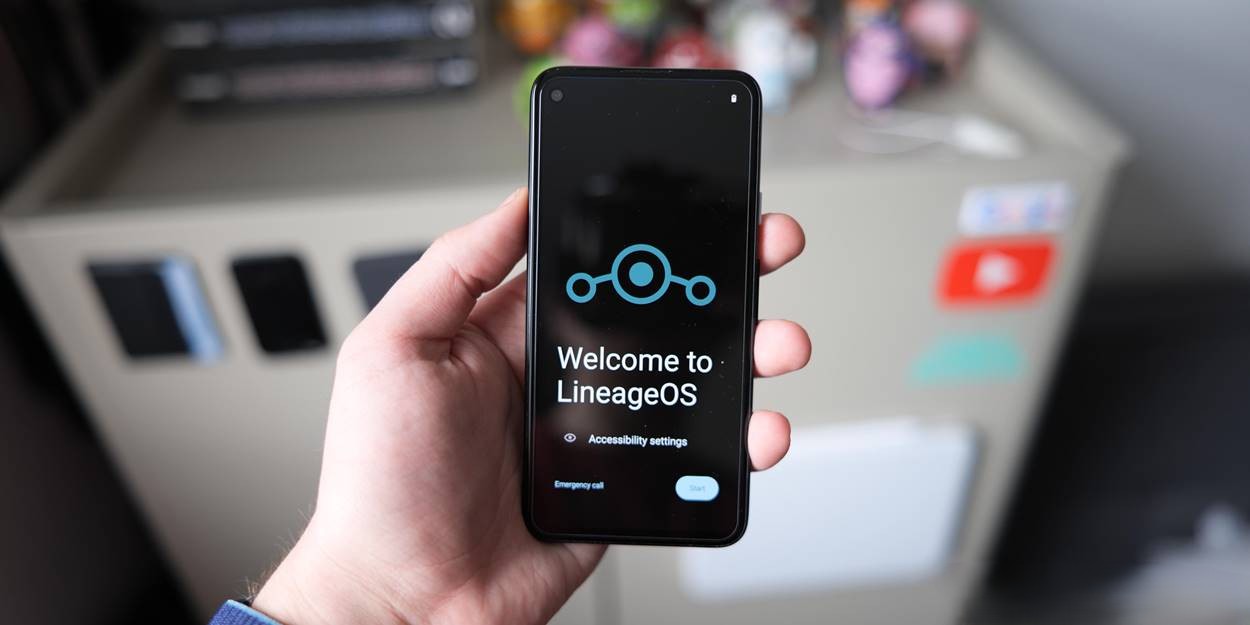
Despite the decline, custom ROMs have not vanished entirely. Projects like LineageOS continue to support a wide range of devices, offering users an alternative to stock firmware. As of November 2023, LineageOS was installed on approximately 1.5 million devices, indicating a dedicated user base that values the customization and extended device lifespan that custom ROMs provide. ([9to5google.com](https://9to5google.com/2023/11/20/lineageos-number-of-devices/?utm_source=openai))
However, the future of custom ROMs remains uncertain. The combination of improved stock experiences, stringent security measures, and the challenges associated with developing and maintaining custom firmware has led to a diminished role for custom ROMs in the Android ecosystem. While they continue to serve niche communities and breathe new life into older devices, their mainstream appeal has significantly decreased.
Conclusion
The journey of custom Android ROMs reflects the dynamic nature of the tech industry. From addressing the shortcomings of early Android devices to facing obsolescence due to improved OEM offerings and restrictive policies, custom ROMs have played a pivotal role in shaping the Android experience. As we move forward, their legacy endures in the form of enhanced user control, customization, and the spirit of innovation that continues to drive the Android community.