Google Home and IKEA’s Matter Devices: Navigating Connectivity Challenges
IKEA has long been recognized for offering affordable and user-friendly smart home solutions. However, recent developments have highlighted significant connectivity issues between IKEA’s Matter-enabled devices and platforms like Google Home, raising concerns among users and industry observers.
Understanding the Matter Standard
Matter is a unified, open-source connectivity standard developed by the Connectivity Standards Alliance (CSA). Its primary goal is to ensure seamless interoperability among smart home devices, regardless of the manufacturer. By adopting Matter, companies aim to simplify the user experience, allowing devices from different brands to work together effortlessly.
IKEA’s Foray into Matter-Enabled Devices
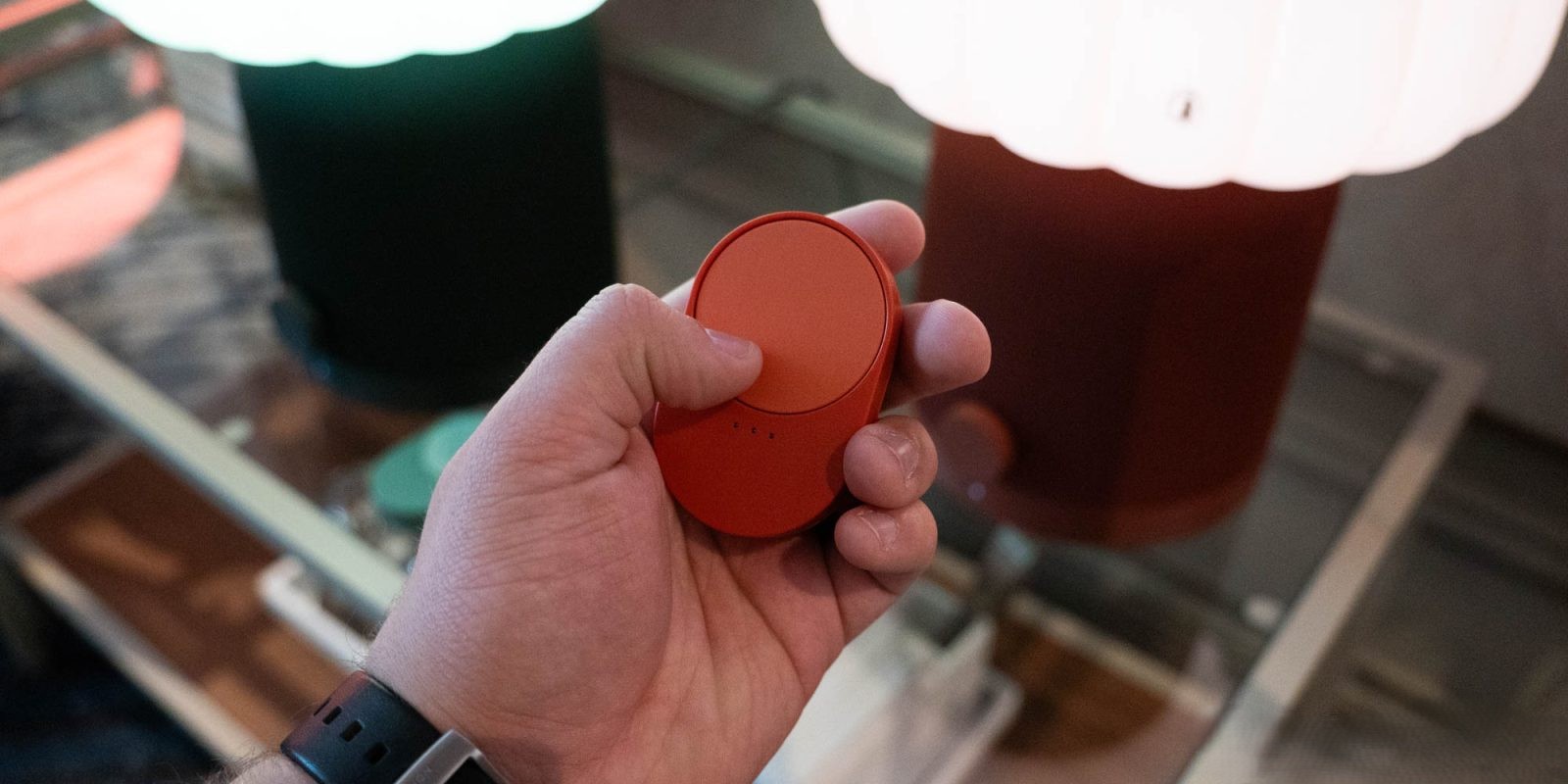
IKEA’s commitment to the smart home ecosystem is evident in its range of Matter-compatible products. These include various smart lighting solutions and the budget-friendly Bilresa smart button. The introduction of these devices was met with anticipation, as they promised enhanced compatibility and ease of use across different platforms.
Connectivity Challenges Emerge
Despite the promise of seamless integration, users have reported difficulties when attempting to pair IKEA’s Matter-over-Thread devices with platforms like Google Home. Common issues include devices failing to connect, unexpected disconnections, and delays in device recognition within the Google Home app.
In response to these concerns, IKEA acknowledged the problems, stating:
> The launch of our Matter range has been highly anticipated, and for most customers, the products work seamlessly, as intended. That said, we are aware that some customers are experiencing connection issues when setting up their devices in certain home environments, and we take that very seriously. We have a dedicated team reviewing the raised concerns and working closely with our ecosystem partners, and the Connectivity Standards Alliance, to better understand the issues and improve the experience.
User Experiences Highlight the Issues
Reports from various users have shed light on the extent of these connectivity challenges. For instance, some have struggled to pair IKEA bulbs and sensors with platforms like Apple Home and Home Assistant. Additionally, the Bilresa smart button has been noted to disconnect after initial pairing with Amazon Alexa.
These experiences underscore the inconsistencies in device performance across different platforms, leading to frustration among users who expected a more streamlined integration.
Google Home’s Integration with Smart Buttons
Google’s recent announcement about the Google Home app supporting smart buttons for automations was met with enthusiasm. This feature was anticipated to enhance user control over their smart home devices. However, attempts to integrate IKEA’s Bilresa buttons revealed several issues:
– Connectivity Loss: Previously paired buttons became unresponsive and failed to execute assigned automations.
– Pairing Difficulties: Re-pairing the buttons often resulted in unsuccessful connections or the devices not appearing within the automation setup.
– Delayed Recognition: Even when pairing was successful, there were noticeable delays before the buttons became available as automation triggers.
These challenges have made it difficult for users to fully utilize the intended functionalities of their smart buttons within the Google Home ecosystem.
Broader Implications for the Smart Home Ecosystem
The connectivity issues between IKEA’s Matter devices and platforms like Google Home highlight broader challenges within the smart home industry:
– Standardization vs. Implementation: While Matter aims to standardize device interoperability, real-world implementation can reveal unforeseen challenges that need to be addressed collaboratively by manufacturers and platform providers.
– User Expectations: Consumers anticipate a plug-and-play experience with smart home devices. Connectivity issues can erode trust and deter users from expanding their smart home setups.
– Collaborative Problem-Solving: Addressing these issues requires coordinated efforts between device manufacturers like IKEA, platform providers like Google, and standardization bodies like the CSA to ensure consistent and reliable user experiences.
Looking Ahead: Potential Solutions and Recommendations
To mitigate these connectivity challenges and enhance user satisfaction, several steps can be considered:
1. Firmware Updates: Regular updates from IKEA can address known connectivity issues, improving device stability and performance.
2. Enhanced Support Resources: Providing comprehensive troubleshooting guides and responsive customer support can assist users in resolving issues promptly.
3. Beta Testing Programs: Engaging users in beta testing can help identify and address potential issues before wider product releases.
4. Transparent Communication: Keeping users informed about known issues and the steps being taken to resolve them can maintain trust and manage expectations.
Conclusion
The integration of Matter-enabled devices into the smart home ecosystem holds great promise for enhanced interoperability and user convenience. However, the recent connectivity challenges between IKEA’s devices and platforms like Google Home underscore the complexities involved in achieving seamless integration. Through collaborative efforts and a commitment to continuous improvement, manufacturers and platform providers can work towards delivering the reliable and cohesive smart home experience that users expect.