Citi Elevates Apple Stock Target Amidst Robust iPhone 17 Sales and Siri Enhancements
Apple Inc. is experiencing a remarkable year, prompting financial analysts to revise their projections favorably. Citi has reaffirmed its buy rating for Apple’s stock, elevating the target price from $315 to $330. This adjustment reflects a 19% potential increase from the current stock price of $277.18, surpassing the previously anticipated 13% rise.
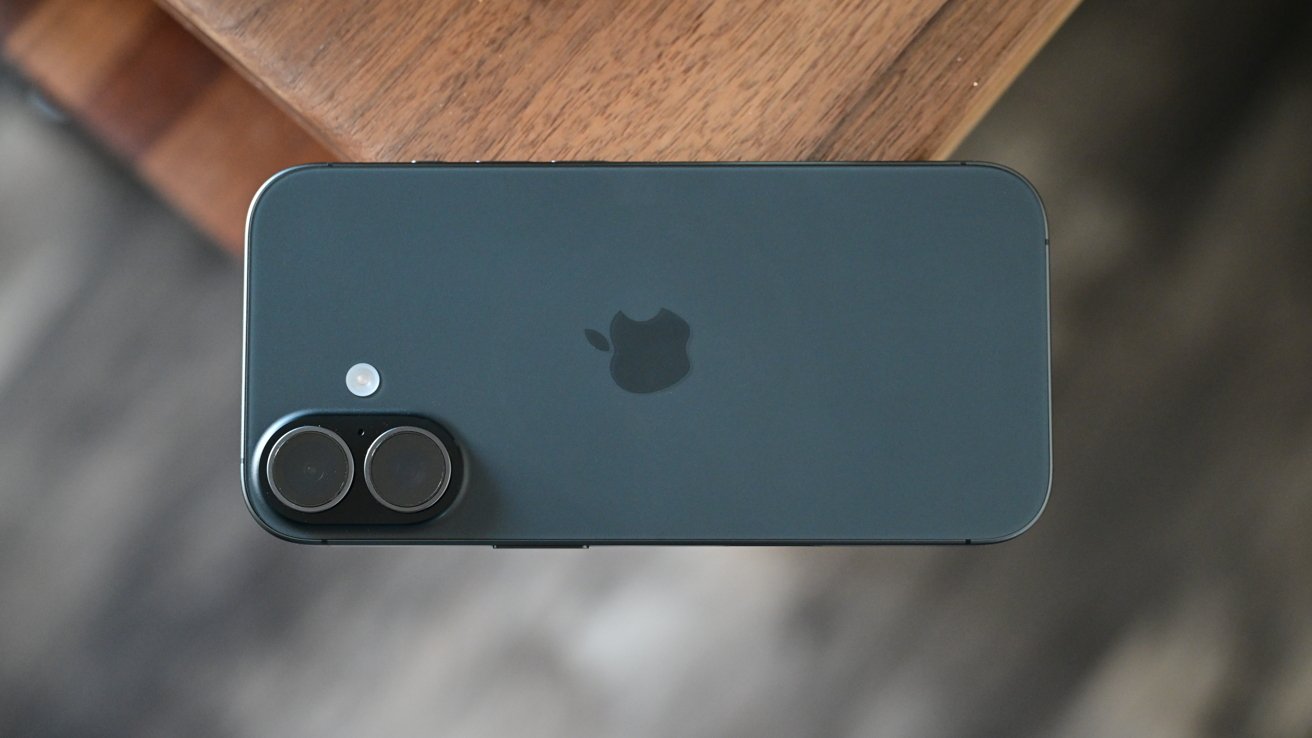
The surge in iPhone 17 sales is a significant driver behind this optimistic outlook. Consumers are upgrading from older devices, contributing to a record-breaking year for Apple. The iPhone 17’s popularity underscores the company’s ability to meet and exceed market expectations.
Jim Cramer, host of CNBC’s Mad Money, has lauded the iPhone 17, stating, We’ve been saying the iPhone 17 is unbelievable. As long as Apple makes the best products, people will buy them. This sentiment reflects the strong consumer confidence in Apple’s product offerings.
In addition to hardware success, Apple is making strides in artificial intelligence. The company is reportedly nearing a deal with Google to integrate advanced AI technology into Siri, aiming to deliver a more powerful and responsive virtual assistant. Citi analysts believe this partnership could enable Apple to fulfill its promise of an enhanced Siri experience while continuing to develop its proprietary AI models.
Apple’s financial performance further supports this positive trajectory. The company’s Q4 2025 earnings report revealed record-breaking figures, including an all-time high for services revenue at $28.8 billion and a fourth-quarter iPhone revenue record of $49.02 billion. These milestones highlight Apple’s robust financial health and its ability to capitalize on both product sales and service offerings.
The iPhone 17’s success is not an isolated event. Other analysts have also adjusted their forecasts in response to Apple’s strong performance. For instance, Wedbush Securities raised its 12-month price target to $310, citing stronger-than-expected demand for the iPhone 17 lineup. Store checks and supply chain reports indicate high demand for the iPhone 17 Pro, with shipping times extending and production expected to increase by about 20%. The introduction of the slimmer iPhone Air model has also garnered more interest than anticipated, potentially becoming a surprise hit in Apple’s lineup.
JP Morgan has similarly raised its Apple stock target to $290, acknowledging increased confidence in the iPhone product cycle. The firm anticipates that Apple’s next earnings report will exceed market consensus, driven by the momentum of the iPhone 17 and the company’s strategic investments in AI.
Evercore ISI has also adjusted its outlook, raising Apple’s stock target to $260. Analysts argue that the iPhone 17 lineup, particularly the newly introduced iPhone Air, represents a significant design shift that could reinvigorate demand. The iPhone Air, priced at $999, is thinner and lighter than other models, drawing comparisons to the transformative impact of the MacBook Air on Apple’s laptop lineup in 2008.
Apple’s strategic focus on AI is another factor contributing to its positive outlook. JP Morgan analysts have noted that Apple’s launch of AI features is expected to prompt users to upgrade their iPhones, leading to increased sales. The firm has raised its price target by $20, anticipating that the integration of AI will drive a new upgrade cycle starting with the iPhone 16 series and peaking with the iPhone 17 range.
TD Cowen has also raised its Apple price target to $250, citing the potential of Apple Intelligence to boost iPhone sales. The firm predicts that AI features will bring a modest boost to the iPhone 16 range but will be much more significant in 2025, with China sales expected to return to growth. TD Cowen highlights Apple’s strong market share in Tier 1 and Tier 2 cities in China, especially among younger buyers, as a positive indicator for future sales.
Despite these positive developments, some analysts have expressed caution. J.P. Morgan has lowered its Apple stock price target, warning that iPhone demand may be slowing after a wave of early purchases and weaker interest in upcoming models. The firm points to softer demand projections for the iPhone 17 lineup and broader economic pressures that could weigh on consumer spending. However, J.P. Morgan also acknowledges that Apple’s supply chain shift from China to India reduces exposure to U.S. tariffs and protects its margins, which could benefit the company in the long term.
Overall, the consensus among analysts is that Apple’s strong iPhone 17 sales, strategic investments in AI, and robust financial performance position the company for continued growth. The integration of advanced AI technology into Siri and the introduction of innovative products like the iPhone Air demonstrate Apple’s commitment to innovation and its ability to adapt to evolving consumer preferences.