Global Telecom Giants Under Siege: The Expanding Reach of China’s Salt Typhoon Hackers
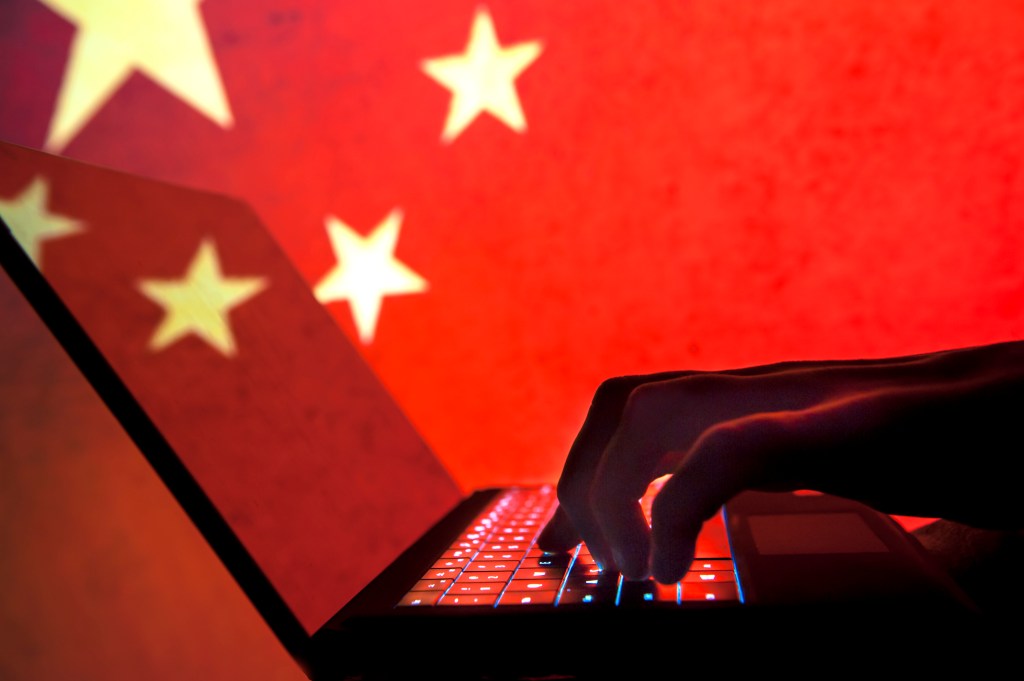
In recent years, a formidable cyber-espionage group known as Salt Typhoon, attributed to the Chinese government, has orchestrated an extensive hacking campaign targeting some of the world’s largest telecommunications and internet service providers. This campaign has led to the unauthorized access of tens of millions of phone records, including sensitive communications of senior government officials across multiple nations.
The Scope of the Breach
Salt Typhoon’s operations have been vast and methodical, focusing primarily on infiltrating telecom infrastructure to gather intelligence. Their tactics often involve exploiting vulnerabilities in network devices, such as unpatched Cisco routers, to gain initial access. Once inside, they have been known to take control of surveillance tools that telecom companies are mandated to install for lawful interception purposes, thereby accessing a wealth of private communications.
United States: A Primary Target
The United States has been a significant focus of Salt Typhoon’s activities. Major telecom companies, including AT&T, Verizon, and Lumen (formerly CenturyLink), have confirmed breaches attributed to this group. These intrusions have allowed the hackers to obtain call records, text messages, and even captured phone audio from senior U.S. officials, many of whom are considered high-value targets. In response to these breaches, the FBI has advised Americans to adopt end-to-end encrypted messaging applications to mitigate the risk of eavesdropping by foreign adversaries.
Beyond telecom providers, Salt Typhoon has also targeted other critical sectors. Reports indicate that the group compromised the networks of a U.S. state’s National Guard, potentially granting them access to data and systems across multiple states and territories.
Global Impact: A Widespread Threat
The reach of Salt Typhoon extends far beyond the United States, affecting numerous countries across various continents:
– North and South America: Security firm Recorded Future has observed Salt Typhoon targeting network devices associated with universities in Argentina and Mexico. In Canada, the government confirmed that its leading telecommunications firms were compromised, with hackers accessing critical systems. Brazil has also reported activities linked to this group.
– Asia, Africa, and Oceania: In Asia, telecom providers in Myanmar, Malaysia, Thailand, and Indonesia have been targeted. Japan has issued warnings about the threat posed by Salt Typhoon to its networks. In Africa, a South African telecommunications provider was compromised. Both Australia and New Zealand have reported Salt Typhoon activities within their critical infrastructure sectors.
– Europe: The United Kingdom has identified a cluster of activities linked to Salt Typhoon, with indications that senior government staff may have had their communications intercepted. Norway confirmed breaches in several organizations, and the Netherlands reported targeting of smaller internet providers and web hosts. Italy and other European nations have also been affected.
Strategic Objectives: Preparing for Conflict
Analysts suggest that Salt Typhoon’s activities are part of a broader strategy to position China advantageously in the event of a conflict over Taiwan. By infiltrating global telecommunications infrastructure, the group aims to gather intelligence and potentially disrupt communications, thereby undermining the operational capabilities of adversaries. This aligns with the assessments of U.S. officials who have described China’s potential actions regarding Taiwan as an epoch-defining threat.
Mitigation Efforts and Ongoing Challenges
In response to these pervasive threats, several affected companies have taken steps to secure their networks. AT&T and Verizon have reported that they have contained the incidents and fortified their systems against future intrusions. Similarly, Lumen confirmed that its network is now free from Salt Typhoon’s presence. However, the persistent and evolving nature of these cyber threats underscores the need for continuous vigilance and proactive cybersecurity measures.
Governments and international bodies have also taken action. The U.S. Treasury Department imposed sanctions on entities linked to Salt Typhoon, aiming to disrupt their operations and deter future attacks. Despite these efforts, the group’s activities continue, highlighting the challenges in combating state-sponsored cyber-espionage.
Conclusion
The extensive and ongoing operations of Salt Typhoon serve as a stark reminder of the vulnerabilities inherent in global telecommunications infrastructure. As cyber threats become increasingly sophisticated and state-sponsored, it is imperative for organizations and governments worldwide to collaborate, share intelligence, and implement robust security protocols to safeguard sensitive information and maintain the integrity of critical communication networks.