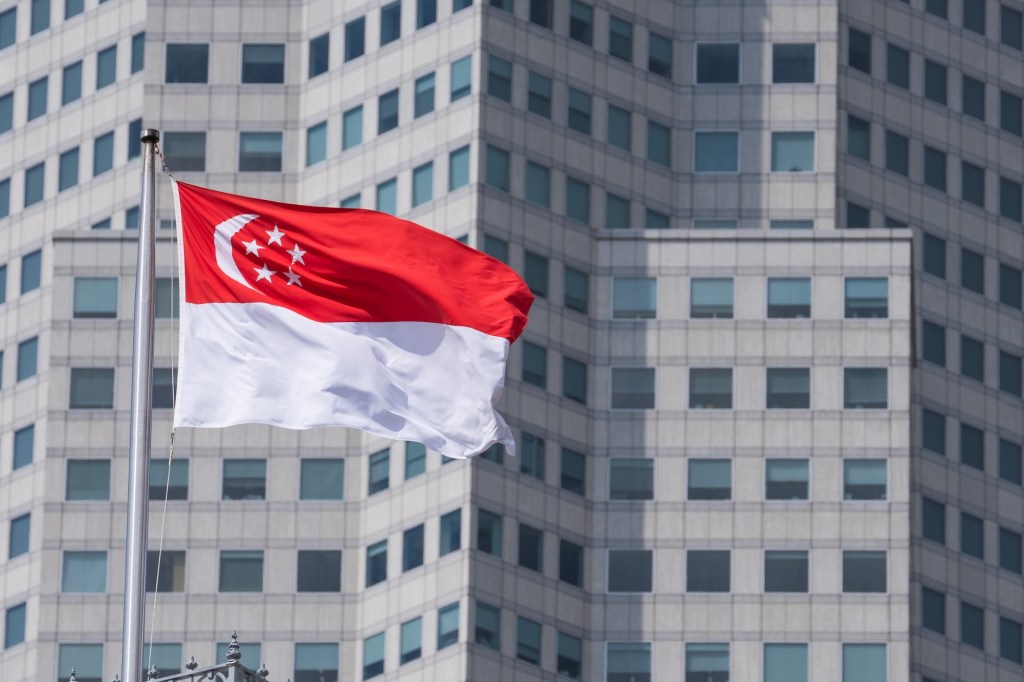
Singapore’s Major Telecoms Targeted by China-Linked Cyber-Espionage Group UNC3886
In a significant cybersecurity development, Singapore’s government has identified a Chinese state-sponsored hacking group, UNC3886, as responsible for a prolonged cyber-espionage campaign targeting the nation’s four largest telecommunications companies: Singtel, StarHub, M1, and Simba Telecom. This revelation underscores the persistent threats faced by critical infrastructure sectors worldwide.
The cyber intrusions, which spanned several months, involved sophisticated techniques aimed at infiltrating and maintaining access to the telecoms’ systems. Despite the breaches, the attackers did not disrupt services or access personal customer information, according to K. Shanmugam, Singapore’s Coordinating Minister for National Security. He stated, In one instance, they were able to gain limited access to critical systems but did not get far enough to have been able to disrupt services.
UNC3886 is known for exploiting zero-day vulnerabilities in routers, firewalls, and virtualized environments—areas often beyond the reach of standard cybersecurity tools. The group’s activities have previously targeted defense, technology, and telecom industries across the U.S. and the Asia-Pacific region. Their methods include deploying advanced tools like rootkits to establish long-term persistence within compromised systems.
The affected telecom companies acknowledged the attack in a joint statement, emphasizing their commitment to robust cybersecurity measures. They noted that such attacks are not uncommon and that they adopt defense-in-depth mechanisms to protect our networks and conduct prompt remediation when any issues are detected.
This incident is part of a broader pattern of cyber-espionage activities attributed to Chinese state-sponsored groups. Notably, the group known as Salt Typhoon has been implicated in similar attacks on telecommunications firms globally, including breaches of major U.S. companies like AT&T and Verizon. These attacks often aim to gather intelligence on government officials and political figures, highlighting the strategic importance of telecom networks in national security.
The Singaporean government’s prompt identification and response to the UNC3886 attacks reflect a growing awareness and proactive stance against cyber threats. By publicly attributing the attacks to a state-sponsored group, Singapore joins a global effort to hold malicious cyber actors accountable and to strengthen the resilience of critical infrastructure against future threats.