Cellebrite’s Selective Response to Allegations of Tool Misuse Raises Questions
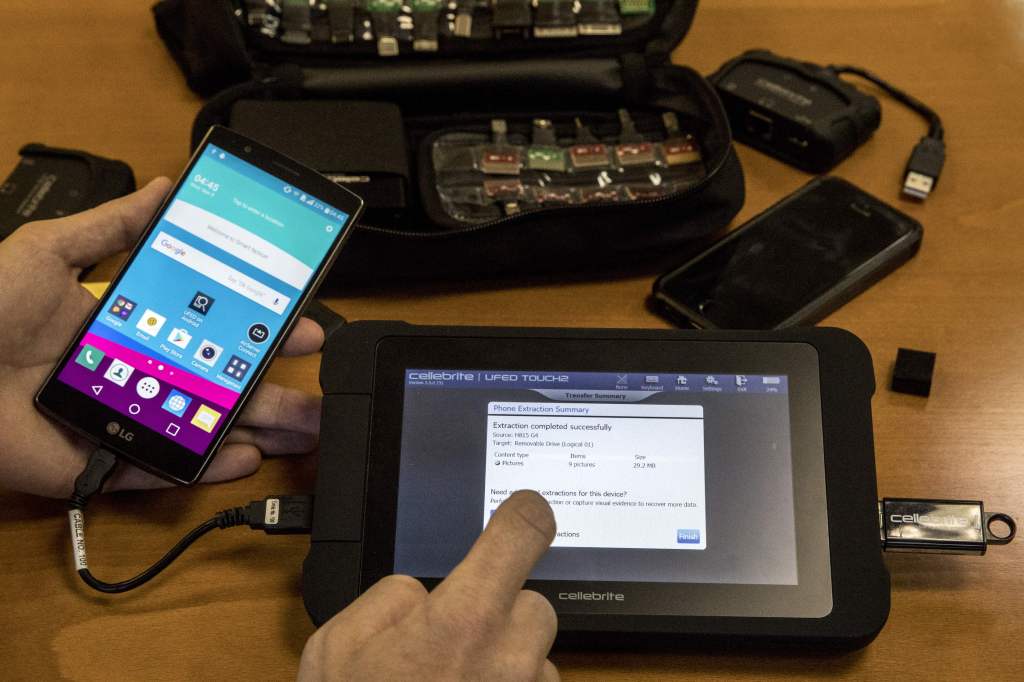
Cellebrite, an Israeli firm renowned for its phone-hacking tools, has recently come under scrutiny for its inconsistent responses to allegations of misuse by various governments. While the company took decisive action against Serbia following documented abuses, its reactions to similar accusations in Jordan and Kenya have been notably different.
Serbia: A Decisive Action
In February 2025, Amnesty International released a report alleging that Serbian police and intelligence agencies utilized Cellebrite’s technology to unlock the phones of a journalist and an activist. Once accessed, spyware was reportedly installed to facilitate ongoing surveillance. In response to these findings, Cellebrite promptly suspended its services to Serbian authorities, marking a rare instance of the company publicly severing ties with a client due to documented misuse. This decision was directly influenced by Amnesty International’s technical report, which provided concrete evidence of the abuse.
Jordan and Kenya: A Contrasting Approach
In stark contrast, recent reports from The Citizen Lab at the University of Toronto have implicated the governments of Jordan and Kenya in similar abuses involving Cellebrite’s tools. In January 2026, The Citizen Lab alleged that Jordanian authorities used Cellebrite’s technology to access the phones of several activists and protesters. The following month, a separate report claimed that Kenyan officials employed the same tools to unlock the phone of Boniface Mwangi, a prominent activist and politician, during his detention.
In both cases, The Citizen Lab identified traces of a specific application linked to Cellebrite on the compromised devices. This application had previously been discovered on VirusTotal, a malware repository, and was signed with digital certificates owned by Cellebrite. These findings led researchers to assert with high confidence that Cellebrite’s tools were used in these instances.
Cellebrite’s Response: A Shift in Stance
Despite the compelling evidence presented by The Citizen Lab, Cellebrite’s responses to these allegations have been markedly different from its reaction to the Serbian case. Victor Cooper, a spokesperson for Cellebrite, stated, We do not respond to speculation and encourage any organization with specific, evidence-based concerns to share them with us directly so we can act on them. When questioned about the differing responses, Cooper remarked, The two situations are incomparable, adding that high confidence is not direct evidence.
This shift in approach raises questions about the criteria Cellebrite employs when deciding to investigate or act upon allegations of misuse. The company’s reluctance to commit to investigating the cases in Jordan and Kenya, despite the evidence provided, contrasts sharply with its swift action in Serbia.
The Broader Implications
Cellebrite’s tools are widely used by law enforcement agencies globally, boasting over 7,000 clients. The company’s selective responses to allegations of misuse highlight the challenges in ensuring that such powerful technologies are not exploited for human rights violations.
The differing reactions also underscore the need for transparency and accountability in the sale and use of surveillance technologies. As governments and organizations continue to grapple with the ethical implications of these tools, companies like Cellebrite face increasing pressure to establish clear policies and consistent actions when confronted with evidence of misuse.
Conclusion
Cellebrite’s inconsistent responses to allegations of tool misuse in Serbia, Jordan, and Kenya raise significant questions about the company’s commitment to ethical practices. While the firm acted decisively in the Serbian case, its reluctance to address similar allegations elsewhere suggests a need for more transparent and consistent policies. As the global community continues to debate the ethical use of surveillance technologies, companies like Cellebrite must navigate the delicate balance between providing valuable tools to law enforcement and ensuring they are not used to infringe upon human rights.