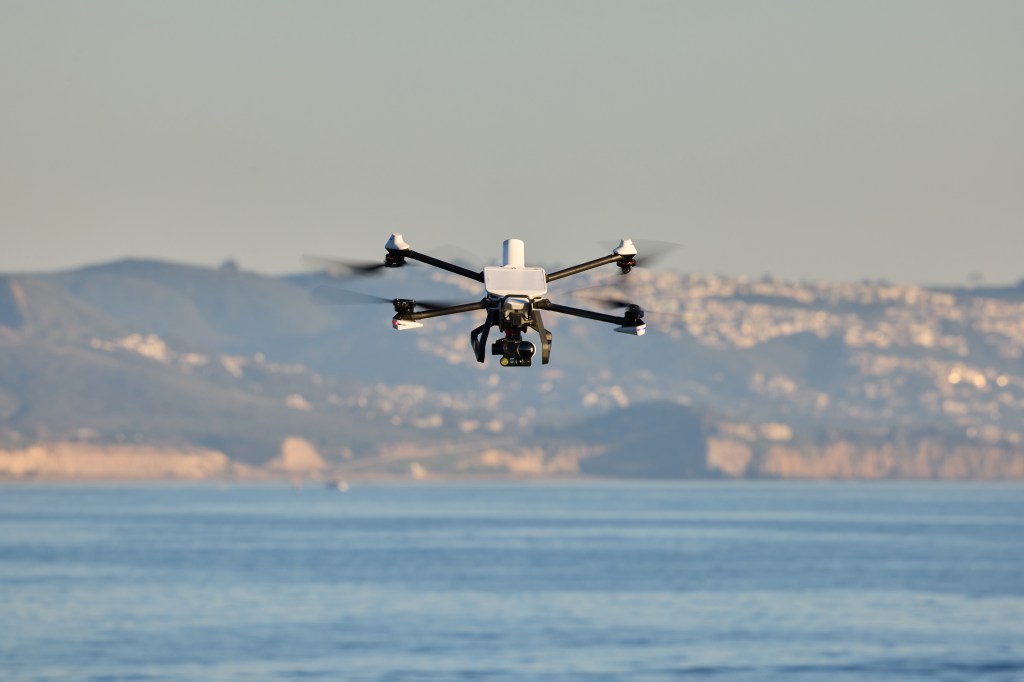
Brinc’s Guardian Drone: A Game-Changer in Public Safety Aviation
In the rapidly evolving landscape of public safety technology, Brinc, a Seattle-based startup, has unveiled its latest innovation: the Guardian drone. Founded in 2017 by former Thiel Fellow Blake Resnick, Brinc aims to revolutionize emergency response by offering a cost-effective and efficient alternative to traditional police helicopters.
Genesis of Brinc
Blake Resnick’s journey into drone technology began with his participation in the Thiel Fellowship, a program that supports young entrepreneurs in lieu of traditional college education. Under this initiative, Resnick founded Brinc with a vision to enhance public safety through advanced drone solutions. The startup quickly attracted attention, securing early investment from notable figures such as Sam Altman, the former head of OpenAI. Over the years, Brinc has experienced significant growth, culminating in a valuation nearing half a billion dollars as of its latest funding round.
Introducing the Guardian Drone
The Guardian drone is Brinc’s most ambitious product to date, designed to serve as a viable replacement for police helicopters. Resnick describes it as the closest thing to a police helicopter replacement that the drone industry has ever produced. This assertion is backed by the drone’s impressive specifications and capabilities.
Key Features and Capabilities
– Speed and Endurance: The Guardian can reach speeds up to 60 mph and boasts a flight time of 62 minutes, allowing for rapid response and extended operational periods.
– Advanced Imaging: Equipped with thermal imaging and two 4K cameras with zoom capabilities, the drone can capture detailed visuals from significant altitudes, including reading license plates.
– Communication Tools: A built-in spotlight and a loudspeaker exceeding the volume of a standard police siren enhance its utility in various scenarios.
– Automated Operations: The drone’s landing station, referred to as a charging nest, facilitates fully automated battery swapping and can be stocked with essential safety supplies like defibrillators, flotation devices, and Narcan, all deployable without human intervention.
– Global Connectivity: An integrated Starlink panel provides the Guardian with satellite internet connectivity, ensuring operational capability in remote or infrastructure-compromised areas.
Implications for Public Safety
The introduction of the Guardian drone signifies a potential paradigm shift in emergency response operations. Traditional police helicopters, while effective, are costly to operate and maintain. The Guardian offers a more economical solution without compromising on functionality. Its rapid deployment capabilities can significantly reduce response times, which is critical in emergencies where every second counts.
Moreover, the drone’s advanced imaging and communication tools provide first responders with real-time data, enhancing situational awareness and decision-making. The automated delivery of medical supplies can be particularly beneficial in scenarios where immediate medical intervention is required, but human responders are delayed or unable to reach the scene promptly.
Challenges and Considerations
While the Guardian drone presents numerous advantages, its deployment is not without challenges. Regulatory frameworks governing drone operations, especially in urban environments, are still evolving. Ensuring compliance with aviation regulations and addressing privacy concerns will be paramount.
Additionally, the integration of such advanced technology into existing public safety infrastructures requires training and adaptation. First responders will need to be trained not only in operating the drones but also in interpreting the data they provide to make informed decisions.
The Road Ahead
Brinc’s Guardian drone represents a significant advancement in the application of drone technology for public safety. As the company continues to refine its product and expand its market presence, it will be essential to collaborate with regulatory bodies, public safety agencies, and communities to ensure that the deployment of such technology is both effective and responsible.
The success of the Guardian drone could pave the way for broader acceptance and integration of drones in various public service sectors, potentially transforming how emergency response and public safety operations are conducted in the future.