Apple and Brazilian Banks Clash Over NFC Payment Access Fees
In Brazil, a significant dispute has emerged between Apple Inc. and local financial institutions regarding access to the iPhone’s Near Field Communication (NFC) technology for payment services. The Administrative Council for Economic Defense (CADE), Brazil’s antitrust authority, is scrutinizing Apple’s policies, particularly its practice of charging banks and payment service providers for NFC access on iPhones.
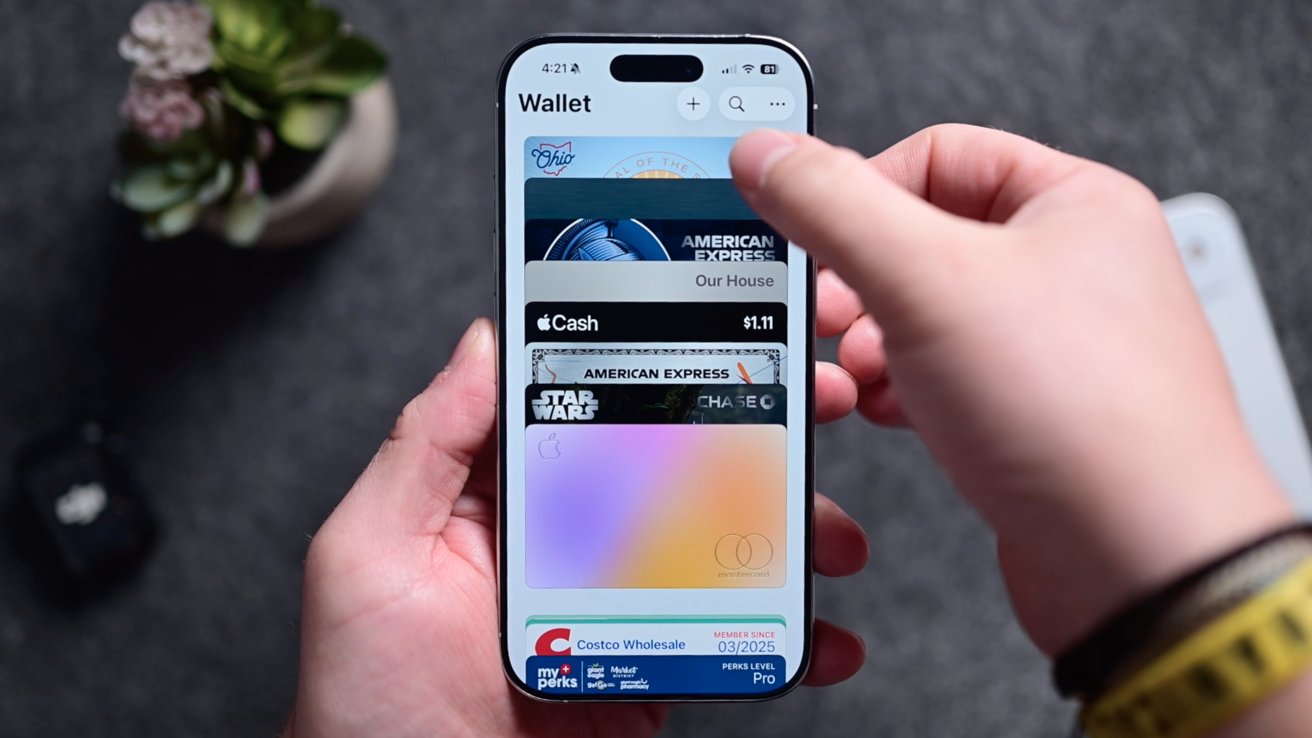
Apple’s NFC technology is integral to its Apple Pay service, enabling users to make contactless payments using their iPhones. Since its Brazilian debut in 2018, Apple Pay has partnered with over 40 banks and issuers, facilitating a secure and convenient payment method for consumers. However, Apple maintains a 10% market share in Brazil’s smartphone sector, positioning Apple Pay as a minority player in the country’s payment landscape.
The contention arises from Apple’s policy of charging financial institutions per transaction for NFC access. Brazilian banks and CADE argue that this practice is anticompetitive, as it imposes additional costs on banks seeking to offer NFC-based payment solutions to their customers. Apple counters this claim by asserting that its fees are justified, emphasizing the security and user-friendly experience provided by Apple Pay.
Apple further contends that alternative payment platforms, such as Pix—a Brazilian instant payment system—are less efficient and user-friendly. The company argues that these platforms introduce complexities that may deter users from switching between different payment cards, thereby limiting consumer choice.
The core issue is not the availability of NFC access to third parties; Apple has introduced features in iOS 18 that allow such access. The dispute centers on the financial terms associated with this access. Brazilian banks are seeking to utilize the NFC technology without incurring the fees imposed by Apple, a stance that Apple characterizes as an attempt to gain a free ride on its proprietary technology.
This situation in Brazil mirrors similar disputes in other regions. In Australia, for instance, banks have sought access to the iPhone’s NFC chip to offer their own digital wallet systems, aiming to bypass Apple Pay’s transaction fees. Apple has resisted these efforts, citing concerns over security, user experience, and the potential for banks to charge customers for using Apple Pay, which could discourage its adoption.
In Europe, regulatory bodies have also pressured Apple to open its NFC technology to third-party developers. In response, Apple announced plans to allow such access in the European Union, aligning with the requirements of the Digital Markets Act. This move enables developers to offer in-app contactless payments and other NFC-based services, expanding consumer options.
The outcome of the Brazilian dispute remains uncertain. Apple’s history of defending its ecosystem’s integrity suggests it will continue to advocate for its right to charge for NFC access. Conversely, Brazilian banks and regulators are likely to persist in their efforts to promote competition and reduce costs associated with digital payment services.
As the digital payment landscape evolves, the balance between proprietary technology control and open access will continue to be a pivotal issue. The resolution of such disputes will significantly influence the future of contactless payments and the dynamics between technology providers and financial institutions worldwide.